


Introduction: Understanding the Strategic Importance of the Strait of Hormuz
Right now, ships aren’t moving much through the Strait of Hormuz. This is a big deal because Hormuz is one of the most important sea routes in the world. Nearly a fifth of all oil traded globally passes through this narrow waterway. Imagine a busy highway that connects oil-rich countries like Saudi Arabia, Kuwait, Iran, and Iraq to everywhere else. If something blocks this “highway,” fuel prices jump, and people everywhere feel it.
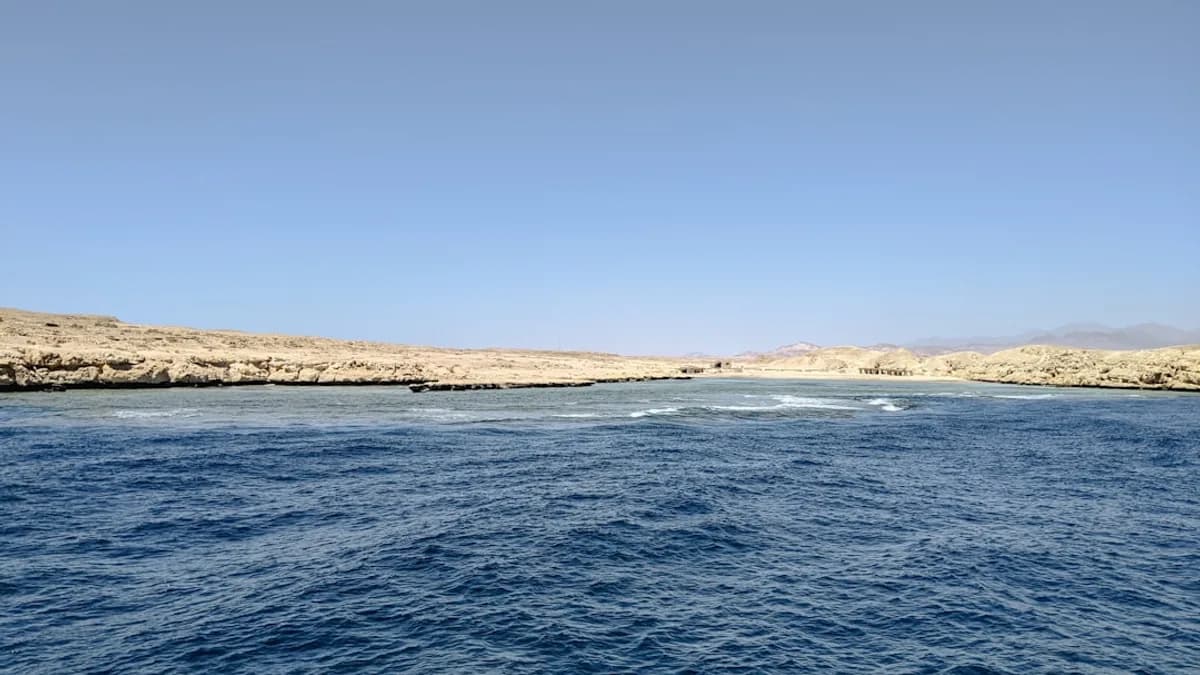
The Strait of Hormuz sits between Oman and Iran. It’s only 21 miles wide at its narrowest point. Tankers and cargo ships use it every day to carry oil, gas, and goods. Recent attacks and rising tensions have stopped most ships from entering or leaving. Countries and businesses are scrambling to figure out what happens next [Source: Google News].
Current Status: Shipping Traffic Halted Amid Rising Tensions
Shipping through Hormuz is nearly at a standstill. Over the weekend, there were attacks on tankers and cargo vessels. These incidents made ship owners nervous. Some companies ordered their ships to stay away until it’s safe [Source: Google News].
Kuwait declared “force majeure” on its oil shipments. This means Kuwait can’t promise to deliver oil because something outside its control—like war or attacks—makes it impossible. This move signals that Kuwait is worried about safety and cannot guarantee its usual exports [Source: Bloomberg.com].
Normally, about 20 to 30 tankers pass through Hormuz each day. Right now, that number is much lower—almost none according to ship-tracking data. Ship traffic briefly rose after the attacks, but then slowed again as companies reassessed the risks [Source: CNBC]. The stoppage isn’t just about oil. It affects liquefied natural gas (LNG) and other goods too. Ports are waiting for news, and insurance costs for ships are soaring. Everyone is watching for the next update.
Economic Implications: How the Halt Affects Global Oil Markets and Prices
When ships stop moving in Hormuz, oil supply shrinks fast. Global oil prices already surged after the attacks. Brent crude, the world’s main oil benchmark, jumped several dollars a barrel in a single day. Traders worry that the halt could last a while, making prices even more unpredictable [Source: Google News].
Countries that rely on imported oil—like India, Japan, and much of Europe—are feeling pressure. Some nations have stockpiles to last a few weeks, but not months. Airlines, factories, and drivers could all see higher fuel costs soon. If the halt drags on, inflation may rise in many countries.
Energy-dependent economies, like South Korea, must pay more for oil. This can slow growth and hurt jobs. In the short term, the world will see price spikes and supply shortages. If the disruption lasts, businesses may start rationing fuel, and governments might release emergency reserves.
Long-term, the halt exposes how fragile global energy flows are. Oil buyers may look for new suppliers or build up their stockpiles. Some companies could speed up investments in clean energy or local oil production to avoid future shocks. This moment may push leaders to rethink how much they rely on the Strait of Hormuz.
Geopolitical Context: Regional Tensions and Their Role in Shipping Disruptions
The Strait of Hormuz sits at the heart of the Middle East, a region with many rivalries. Iran, Saudi Arabia, Kuwait, the United Arab Emirates, and Oman all have interests here. Iran has often threatened to block the Strait if it feels pressured by sanctions or conflict. Attacks on ships are sometimes blamed on Iran or groups linked to it, but the facts can be hard to verify [Source: The New York Times].
Historically, the Strait has seen clashes before. In the 1980s, during the Iran-Iraq war, both sides attacked oil tankers in the “Tanker War.” The U.S. and other navies escorted ships to keep oil flowing. Today, navies still patrol the area, but rising tensions make their job tougher.
Recent events show how quickly things can change. One attack can freeze traffic and spark global worry. The region’s politics are tangled, and a small incident can lead to bigger fights. Countries want to protect their own interests, but that sometimes means blocking others.
Maritime security is now a top concern. Insurance rates for tankers shot up. Ship owners are wary, and governments are sending warships to guard their vessels. The situation is tense, and nobody wants to make a wrong move. This crisis reminds us that Hormuz is always at risk of becoming a flashpoint.
Global Energy Security: Risks and Strategic Responses to Strait of Hormuz Disruptions
The halt in Hormuz exposes big weaknesses in global energy security. Most oil flows through a few chokepoints, and Hormuz is the biggest. If ships can’t pass, the world’s oil supply drops fast. Countries and companies are scrambling to protect themselves.
Some nations keep emergency oil reserves. The U.S. has a Strategic Petroleum Reserve. Japan and South Korea also have stockpiles for crises. These reserves can help for a while, but they aren’t a long-term fix.
Companies are looking at other routes. The Suez Canal is one option, but it’s longer and more expensive. Pipelines can move oil around Hormuz, but most don’t have enough capacity to make up for the lost traffic. The UAE and Saudi Arabia have built pipelines to bypass Hormuz, but they only cover a fraction of the normal flow.
Energy firms are reviewing their risk plans. Some may speed up plans to buy oil from safer places or invest in renewables. Governments are talking with allies to share information and coordinate responses. The crisis may push countries to change how they plan for energy shocks.
The world’s energy system depends on a few narrow routes. Hormuz is the most important. This stoppage will force everyone to rethink how they protect supply chains and plan for emergencies.
Conclusion: Navigating the Future of Shipping Through the Strait of Hormuz
Shipping through Hormuz is nearly stopped, and the world is feeling the shock. Oil prices are up, and energy security is at risk. The crisis shows how easily global flows can break when tensions rise [Source: Google News].
Diplomatic talks and stronger security are needed to restore safe passage. Navies may step up patrols, and governments may push for peace. But the world may not go back to normal soon. Everyone—from oil producers to buyers—must find new ways to protect their supply and manage risks.
The Strait of Hormuz will stay important, but its future looks uncertain. This moment may spark changes in how the world moves energy and plans for trouble. Watch for new deals, stronger security, and fresh ideas on energy safety.
Why It Matters
- Disruption in Hormuz shipping threatens global oil and gas supply chains.
- Rising insurance and shipping costs could increase fuel prices worldwide.
- Geopolitical tensions may escalate, affecting trade and economic stability.