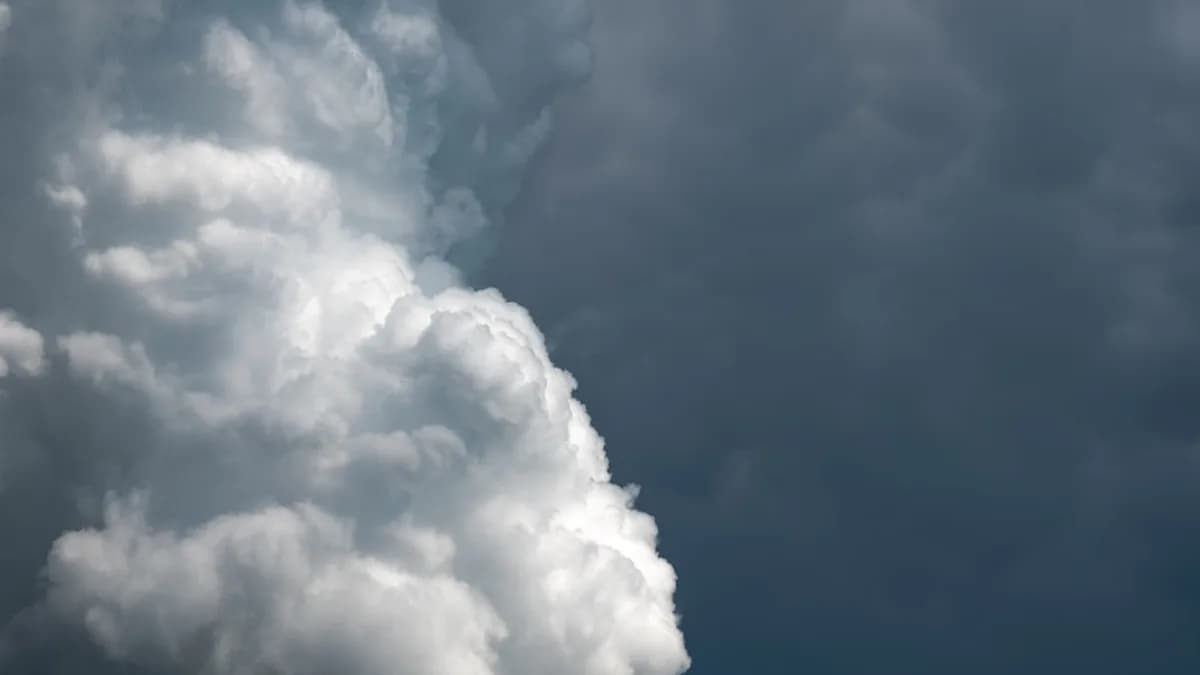
Introduction: Overview of the Severe Storm Outbreak
A major severe storm outbreak is poised to strike the central United States, capping off a week marked by relentless tornadoes, hail, and catastrophic flooding. Meteorologists warn that Friday could bring the most intense weather yet, with conditions ripe for powerful tornadoes, damaging hail, and flash floods across several states [Source: Source]. The National Weather Service and regional forecasters have raised urgent alerts as communities brace for another round of extreme weather. The combination of atmospheric instability and advancing storm systems underscores the urgency of preparing for a day that could see widespread disruption and danger.
Current Impact: Aftermath of a Relentless Week of Severe Weather
Over the past week, communities across the Plains and Midwest have endured a series of severe storms, leaving a trail of destruction in their wake. Tornadoes have touched down in multiple states, causing structural damage to homes, businesses, and infrastructure. In Oklahoma and Missouri, neighborhoods were battered by tornadoes that uprooted trees and toppled power lines, leaving thousands without electricity and prompting swift emergency responses [Source: Source].
Hailstorms have compounded the damage, shattering windows, denting vehicles, and impacting crops in rural areas. In Texas and Kansas, some towns reported hailstones as large as baseballs, leading to costly repairs and insurance claims. Meanwhile, persistent heavy rains have triggered flooding, with rivers and streams overflowing their banks and inundating low-lying communities. Local authorities have issued evacuation orders in several counties where floodwaters threatened homes and roads.
Casualties and injuries have been reported, although exact numbers are still being tallied as emergency teams continue their assessments. The Red Cross and other relief organizations have mobilized to provide shelter and support for displaced families. In many areas, the aftermath of earlier storms has left debris scattered and resources stretched thin, complicating preparations for the next wave of severe weather expected Friday. This cumulative impact has heightened anxiety and underscored the need for continued vigilance as meteorologists warn of a particularly dangerous day ahead.
Friday’s Forecast: What to Expect from the Upcoming Storms
Friday’s forecast signals a heightened risk for severe storms across a broad swath of the central US, including the Plains, Midwest, Twin Cities, and eastern Minnesota [Source: Source]. Meteorologists from CNN, The New York Times, The Weather Channel, KCRG, and MPR News agree that atmospheric conditions are primed for the development of strong tornadoes, large hail, and torrential rainfall.
Models indicate that a potent storm system will sweep through the region, with the greatest threat occurring from morning to midday. The Twin Cities and eastern Minnesota are expected to face storms during these hours, with local forecasters issuing a First Alert Day to emphasize the urgency of the situation [Source: Source]. The Plains and Midwest—spanning states such as Kansas, Nebraska, Iowa, and Missouri—are also at high risk, particularly for supercell thunderstorms capable of producing long-track tornadoes.
Large hail, some potentially exceeding two inches in diameter, could accompany these storms, posing significant risks to property and agriculture. Flash flooding is another major concern, as saturated ground from previous rains increases the likelihood of rapid water accumulation and dangerous runoff. Meteorologists advise that the severe weather may evolve quickly, with the potential for tornado watches and warnings to be issued with little notice.
The Weather Channel and other outlets underscore the importance of monitoring local forecasts, as the exact path and intensity of the storms may shift. Nevertheless, the consensus is clear: Friday’s outbreak could be the strongest of the week, with widespread impacts expected across multiple states [Source: Source].
Safety Measures and Preparedness for Residents
As the central US faces a dangerous storm outbreak, residents in the affected regions are urged to take immediate precautions. Staying updated with local weather alerts—including First Alert Day warnings and tornado watches—is critical for timely response [Source: Source]. Authorities recommend preparing emergency kits with essentials such as water, food, batteries, and medications. Families should review their evacuation plans and identify safe shelter locations, particularly for tornadoes, which require moving to interior rooms or designated storm shelters.
During periods of heavy rain and flooding, residents should avoid low-lying areas and never attempt to drive through water-covered roads, as flash floods can develop rapidly. Local emergency services and officials are coordinating response efforts and providing guidance through media outlets and community channels. Preparing ahead of time and remaining vigilant can help minimize risk and ensure safety for individuals and families throughout the storm event.
Conclusion: Monitoring the Situation and Staying Informed
Friday’s severe storm outbreak represents a significant threat to the central US, with meteorologists warning of strong tornadoes, large hail, and flooding rain [Source: Source]. As the week’s relentless weather continues, it is vital for residents to follow live updates, heed official warnings, and prioritize safety measures. The situation remains fluid, and the potential for rapidly changing conditions requires ongoing attention and preparedness.
Community support, emergency readiness, and clear communication will be essential as the region faces another challenging day of storms. MLXIO will continue to monitor developments, providing timely updates and expert insights to help readers stay informed and safe.