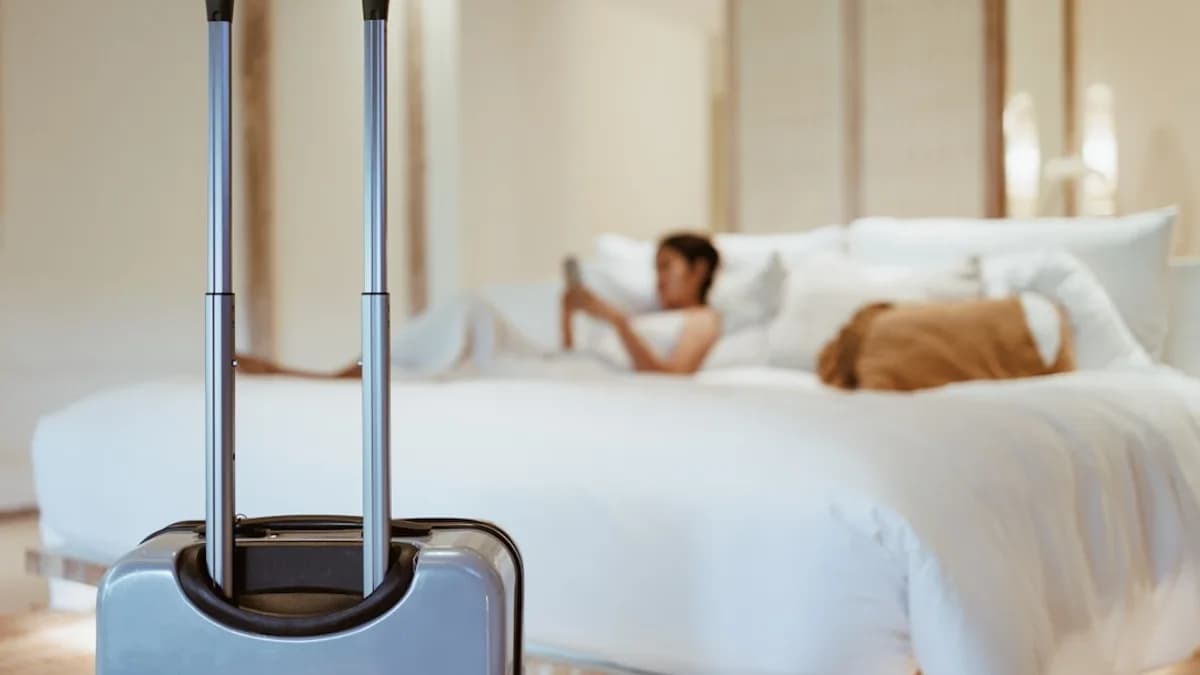
A phone call from “hotel staff” demanding payment for your room might not be real. Scammers are using urgent, fake requests to trick travelers into handing over credit card details, according to Wired. Here’s how to spot these reservation hijacking scams, protect your trip, and respond safely if you get targeted.
Recognize the Warning Signs of Reservation Hijacking Scams
Reservation hijacking scams use social engineering—they impersonate hotel staff and create a sense of urgency to get you to pay up. Typically, you’ll get a call out of the blue claiming there’s a problem with your booking or payment. The caller pushes you to resolve it immediately, often threatening to cancel your reservation.
Red flags include:
- Unsolicited phone calls or emails about your reservation
- Demands for immediate payment or updated credit card details
- Callers unwilling to provide written confirmation or who avoid verification steps
- Inconsistent contact info (phone numbers or emails you don’t recognize)
Scammers rely on your fear of losing your booking, especially if you're traveling soon. If something feels off, it probably is.
Verify Hotel Communications Before Sharing Payment Information
Before handing over any payment details, always confirm who you’re talking to. Don’t trust the phone number or link provided in a suspicious call or email—they could be fake.
Instead:
- Hang up and contact the hotel directly using the phone number or email listed in your original booking confirmation or on the hotel’s official website.
- Ask the hotel if they really need additional payment or if there was an issue with your booking.
- Never use contact details provided by someone you can’t verify.
This step cuts off scammers who rely on you acting before double-checking.
Secure Your Booking Details to Prevent Unauthorized Access
Scammers may get your booking info from compromised accounts or insecure networks. Lock down your travel accounts:
- Use strong, unique passwords for every booking platform.
- Enable two-factor authentication whenever it’s offered.
- Avoid sharing your reservation details or personal info on public Wi-Fi or unsecured channels.
The less information a scammer can access about your trip, the less convincing their pitch will sound—and the harder it is for them to target you in the first place.
Respond Safely If You Receive a Suspicious Payment Request
If you get a call or email demanding payment:
- Never share your payment info right away, even if the caller sounds convincing.
- Ask for written confirmation of any payment request—scammers will often dodge this.
- Report any suspicious communications to your booking platform and local authorities.
Don’t let pressure override your caution. Legitimate hotels should always allow you to verify requests through official channels.
Use Trusted Booking Platforms and Payment Methods to Minimize Risk
Book through reputable travel sites or trusted agents. These platforms are less likely to leak your details and often have stronger customer protections.
When paying:
- Prefer credit cards or secure payment gateways that offer fraud protection.
- Steer clear of wire transfers or prepaid cards for hotel bookings.
- Regularly check your bank statements for any charges you don’t recognize, especially before, during, and after your trip.
If something looks suspicious, act quickly—early detection makes recovery easier.
Quick Recap: Steps to Protect Yourself from Reservation Hijacking Scams
Reservation hijacking scams count on panic and urgency. Spot the warning signs: surprise calls, urgent payment demands, and sketchy contact info. Always verify with your hotel using their official contacts. Keep your accounts secure and your details private. Don’t hand over payment info without confirmation. Stick to trusted booking sites and monitor your payments for anything odd.
What We Know
Reservation hijacking scams exploit travelers with fake, urgent payment demands that appear to come from hotel staff, as Wired reports. These scams often involve unsolicited calls that pressure victims to act fast.
Why It Matters
Losing money to these scams can wreck more than your trip—once your payment info is stolen, it can be used for broader financial fraud. The tactic’s effectiveness comes from its plausible urgency and the use of real booking details.
What Is Still Unclear
Wired’s source offers limited details. We don’t know how often these scams occur, what methods scammers use to get your booking info, or whether particular booking platforms are more vulnerable. There’s no data on recovery rates or whether hotels have changed their communication protocols in response.
What To Watch
Travelers should pay attention to new forms of scam communication—texts, emails, or even phishing websites. As hotels and booking platforms respond, look for new verification steps or warnings built into the booking process. Expect scammers to evolve their tactics as awareness spreads.
Bottom line: Stay skeptical, confirm everything, and keep your trip—and your wallet—safe.
Key Takeaways
- Reservation hijacking scams are increasingly targeting travelers by impersonating hotel staff and creating urgent payment requests.
- Recognizing warning signs and verifying communications can protect your financial information and travel plans.
- Staying vigilant helps prevent unauthorized access to your personal and booking details, reducing the risk of fraud.