
Introduction: The Significance of Pope Leo XIV's Africa Tour
Pope Leo XIV is embarking on a landmark tour across Africa, a region now recognised as the fastest-growing hub of Catholicism worldwide [Source: Source]. This journey is not only a symbolic gesture but also a strategic move by the Vatican, highlighting Africa’s increasing influence within the global Church. Scheduled amid a complex geopolitical landscape and ongoing societal shifts, the Pope’s visit aims to nurture religious communities, foster dialogue, and address pressing local issues. The timing is particularly significant as Africa’s Catholic population surges, presenting both opportunities and challenges for the Church’s mission. Pope Leo XIV’s tour underscores the Vatican’s commitment to supporting African Catholics and engaging with the continent’s diverse cultural realities, marking a new chapter in Catholic outreach and leadership.
Africa's Catholic Growth: Understanding the Boom
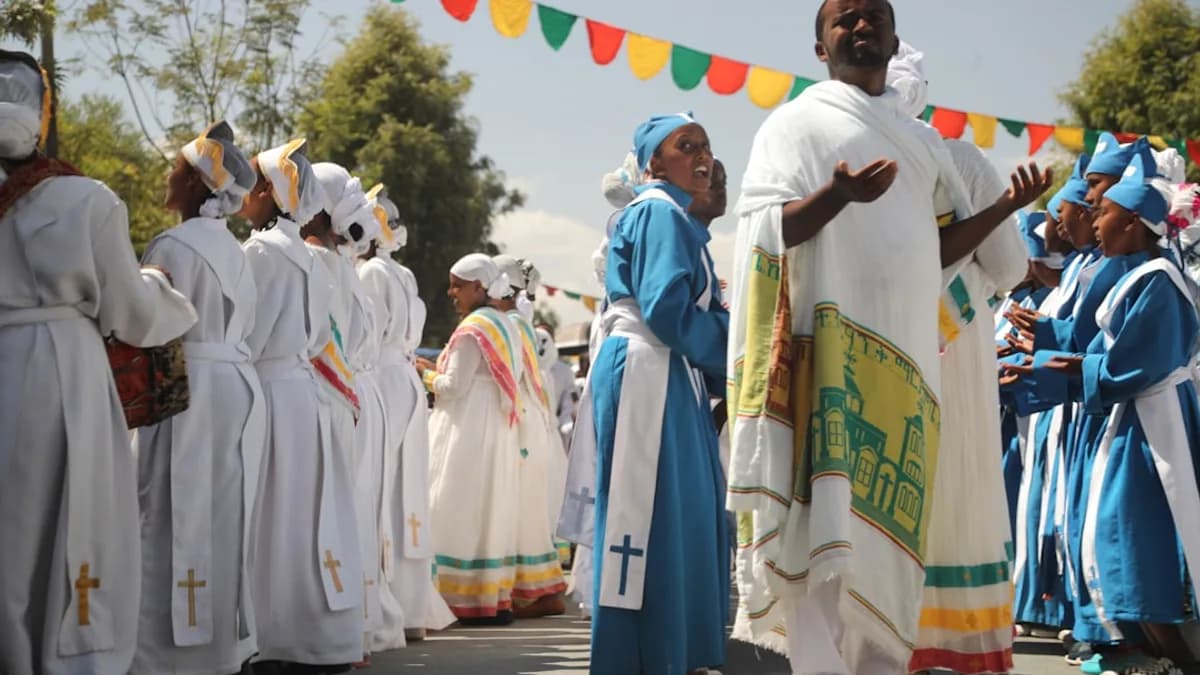
Africa’s Catholic population has experienced unprecedented growth over the past decades, making it a focal point for the Church’s future strategy. According to recent data, the number of Catholics in Africa has soared, with millions joining the faith annually [Source: Source]. This expansion is outpacing most other regions, positioning Africa as a critical force within the global Catholic community.
Several factors contribute to this boom. Firstly, Africa’s demographic trends—characterised by a relatively young population and high birth rates—naturally support religious growth. Catholic missions and parishes have flourished in urban and rural areas, often providing essential social services such as education, healthcare, and poverty alleviation. These tangible benefits, coupled with the Church’s message of hope and social justice, resonate deeply among African communities.
The impact of this growth is profound. As African Catholics become a larger share of the global congregation, their voices and perspectives increasingly shape Church doctrine, leadership, and priorities. African bishops and clergy are playing more prominent roles at Vatican councils, and local practices inform theological debates on issues such as family, community, and tradition. This demographic shift has prompted the Vatican to pay closer attention to African concerns, recognising the continent’s potential to rejuvenate Catholicism at a time when membership is stagnating or declining in parts of Europe and North America [Source: Source].
Key Destinations and Historical Context of the Tour
Pope Leo XIV’s itinerary spans several African countries, with Algeria standing out as a focal point. Algeria holds particular significance as the birthplace of the Pope’s spiritual identity, making this visit deeply personal as well as historic [Source: Source]. For the first time ever, a reigning Pope will set foot in Algeria, a country with a rich but complex Catholic history. This milestone is expected to inspire both local and international communities, highlighting Algeria’s unique role in Catholic tradition and interfaith dialogue.
Other destinations on the tour include nations where Catholicism is rapidly expanding and where the Church plays a crucial role in societal development. Each stop is carefully chosen to reflect the diversity and vitality of African Catholicism—from bustling metropolitan cathedrals to remote mission outposts, the Pope’s presence will affirm the Church’s solidarity with local believers.
Algeria’s historical context adds depth to the tour. Once a hub for early Christian communities, the country later witnessed the decline of Catholic influence amid colonial legacies and shifting religious demographics. Pope Leo XIV’s visit seeks to rekindle spiritual ties, foster understanding, and acknowledge the country’s role as a crossroads of faith. The first-ever papal visit to Algeria is expected to open new avenues for dialogue, reconciliation, and religious freedom, setting a precedent for future Church engagement in North Africa [Source: Source].
Challenges and Debates: Polygamy and Cultural Contexts
One of the most complex issues facing the African Catholic Church is the ongoing debate over polygamy. In several African societies, polygamous marriages remain culturally significant, presenting a theological and pastoral challenge for Catholic leaders [Source: Source]. The Church’s doctrine traditionally upholds monogamy as a fundamental principle, yet the reality on the ground is often more nuanced.
Pope Leo XIV’s tour brings this debate into sharp focus. Local clergy have called for greater understanding and flexibility, arguing that the Church must respect traditional practices while adhering to core teachings. The Pope is expected to address these concerns, encouraging open dialogue and pastoral sensitivity. His approach aims to bridge cultural divides, recognising the complexities faced by African Catholics who navigate both ancestral customs and religious norms.
The Vatican has already initiated discussions about adapting pastoral care to local contexts. Some African bishops advocate for gradual integration, suggesting that polygamous families should not be excluded from the Church’s community and sacraments. This pragmatic stance seeks to balance tradition and doctrine, ensuring that the Church remains relevant and inclusive. Pope Leo XIV’s engagement with the issue signals a willingness to listen, learn, and possibly evolve in response to Africa’s unique realities [Source: Source].
The Pope as a Messenger of Peace and Unity
Throughout his African tour, Pope Leo XIV is positioning himself as a messenger of peace and unity. His speeches and meetings are expected to emphasise reconciliation, compassion, and mutual respect—values that resonate deeply in a continent often marked by religious and ethnic tensions [Source: Source]. The Pope’s efforts to promote interfaith dialogue are particularly significant, as Africa is home to a mosaic of faiths, including Christianity, Islam, and indigenous religions.
The pilgrimage aspect of the visit further reinforces its spiritual importance. By retracing the roots of his spiritual identity in Algeria and connecting with diverse Catholic communities, Pope Leo XIV highlights the universal nature of the Church. His presence is intended to inspire hope, foster solidarity, and encourage dialogue across boundaries. The Vatican hopes that this tour will not only uplift African Catholics but also strengthen relationships between the Church and other religious groups, advancing peace and understanding in the region [Source: Source].
Conclusion: Implications of the Tour for the Catholic Church and Africa
Pope Leo XIV’s Africa tour is poised to leave a lasting impact on both the Catholic Church and the continent. By prioritising Africa—the fastest-growing Catholic region—the Vatican signals its recognition of the continent’s pivotal role in the Church’s future [Source: Source]. The tour may reshape global perceptions of African Catholicism, highlighting its dynamism, resilience, and capacity to influence wider Church policies.
Long-term, the visit could catalyse greater inclusion of African voices in Church leadership and doctrine. It also sends a message of unity, peace, and adaptation, as the Church strives to remain relevant in diverse cultural contexts. Ultimately, Pope Leo XIV’s journey stands as a testament to the Catholic Church’s evolving mission: embracing growth, fostering dialogue, and promoting harmony across the world.