Introduction to Pope Leo XIV’s Africa Tour and Key Messages
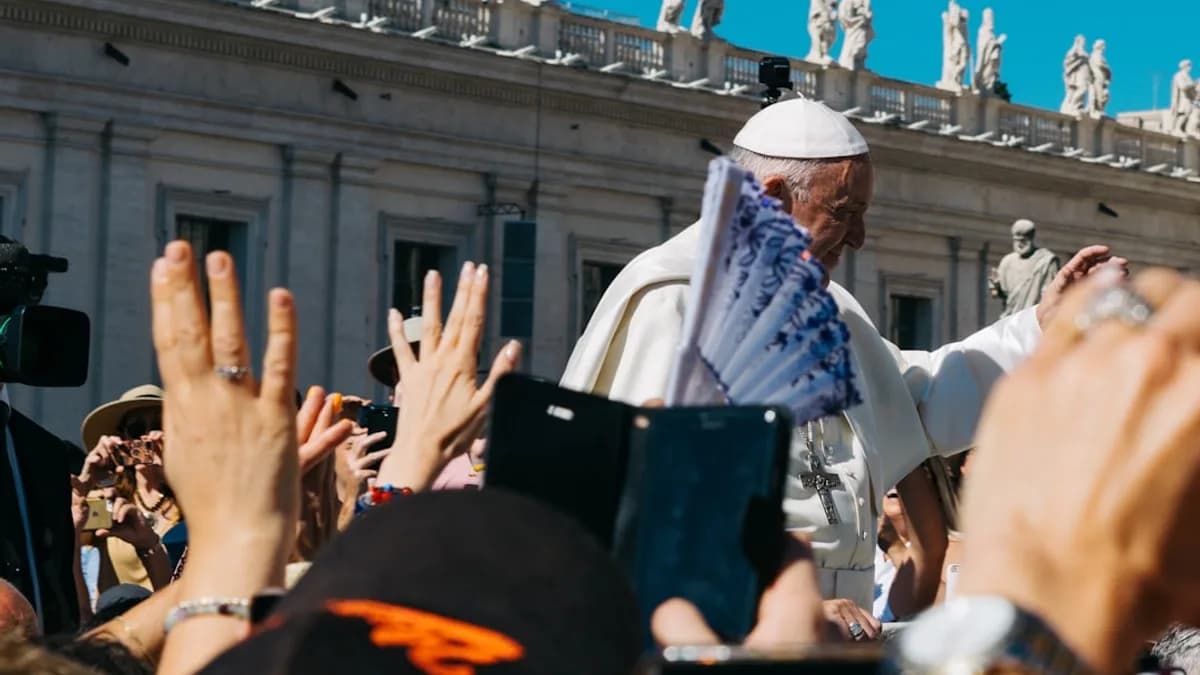
Pope Leo XIV ended his Africa visit by speaking out against bad prison conditions in Equatorial Guinea. He called the prisons “inhumane” and said people’s rights are not respected there [Source: Google News]. His stop in Equatorial Guinea was part of a tour that drew attention to justice, dignity, and power in Africa. The Pope shared tough messages about corruption, poverty, and the need for change. He urged leaders to care more about their people and less about holding onto power. His words made headlines because he skipped some of Africa’s biggest Catholic countries, focusing instead on places facing tough challenges. As his tour wrapped up, Pope Leo called for hope, action, and respect for every person.
Background on Equatorial Guinea’s Prison System and Human Rights Concerns
Equatorial Guinea’s prisons have a long history of problems. Many prisoners are kept in overcrowded cells with poor food, dirty water, and no medical care. Reports from groups like Amnesty International and Human Rights Watch say torture, beatings, and harsh punishments are common [Source: Google News]. Prisoners often wait months or years for a trial. Some never get one at all.
The country’s justice system has faced criticism for being unfair and controlled by those in power. Judges are pressured to make choices that help the government. Political opponents, journalists, and activists are often jailed just for speaking out. These issues have been around since Equatorial Guinea’s independence in 1968, when President Francisco Macías Nguema ruled with fear. Today, President Teodoro Obiang Nguema Mbasogo is in charge. He took power in 1979 and is Africa’s longest-serving leader.
International groups say the government puts power above people. In 2023, the United Nations called on Equatorial Guinea to fix its prison system and stop abuses. The country’s leaders promised to make changes, but progress has been slow. Only a few prisons have improved conditions. Most remain unsafe and crowded. These problems harm families and communities. People fear the police and courts. Many lack trust in the country’s leaders. The Pope’s visit shined a light on these issues, showing the world what needs to change.
Pope Leo XIV’s Criticism: ‘Lust for Power’ and Its Impact on Society
Pope Leo XIV did not hold back when he spoke about Equatorial Guinea’s leaders. He said their “lust for power” leads to corruption and cruelty. By focusing only on staying in control, leaders ignore people’s needs. The Pope linked this hunger for power to broken justice. He said leaders who care more about themselves than about fairness hurt their own country.
This kind of government lets prisons become places of suffering. People are jailed for minor crimes or just for speaking up. The Pope said that when leaders chase power, they forget about human dignity. This makes the whole society weaker. Families lose loved ones. Trust in the courts and police disappears. The Pope’s words were a warning. He said if leaders do not change, the country will keep facing pain and injustice. His message pushed for new ways. He asked rulers to put people first and build a fairer future.
Why Pope Leo Skipped Africa’s Largest Catholic Nations During His Tour
Pope Leo XIV’s trip surprised many. He did not visit Nigeria, Democratic Republic of Congo, or Ethiopia, which have some of Africa’s biggest Catholic populations. Instead, he went to smaller countries like Equatorial Guinea. Some experts think the Pope wanted to focus on places where the Church faces more problems, like bad prisons, weak justice, and harsh leaders.
By skipping big Catholic nations, the Pope sent a signal. He showed that even small countries matter and deserve attention. His choice may also have been about safety or politics. In some big nations, violence or unrest makes visits hard. Others say the Pope wanted to highlight places that are often ignored by the world.
This move has sparked debate in the Church. Some wonder if it will change how the Church works with African leaders. Others see it as a call to help those in the toughest places. The Pope’s tour was not just about numbers—it was about sending a strong message.
Transformation of the Catholic Church in Equatorial Guinea: A Claretian Perspective
A Claretian priest in Equatorial Guinea shared how the Church is changing [Source: Google News]. He said the Church is now more active in fighting for social justice. In the past, priests mostly focused on prayers and church events. Today, they visit prisons, help families, and speak out against unfair laws.
The Church has become a voice for those who cannot speak. It works with local groups to push for better schools, health care, and safer streets. The Claretian priest said this shift is important. It shows the Church wants to be close to the people, not just the powerful.
This new approach matches Pope Leo’s message. Both the Pope and local priests call for justice and respect for all. But sometimes, the Church faces risks. Speaking out can lead to threats from leaders. Still, many priests believe the Church must stand up for what is right. The transformation is slow, but it brings hope. It makes the Church a force for good in Equatorial Guinea.
Broader Implications: Pope Leo’s Warning on Humanity’s Future and Africa’s Role
Pope Leo XIV warned that the world’s future is “tragically compromised” if leaders keep chasing power and ignoring justice [Source: Google News]. He said Africa has a big role to play in fixing this. Many African countries face poverty, violence, and weak governments. But the Pope believes Africa’s people have strong values—family, community, and faith.
His message was not just about Equatorial Guinea. It was for all countries where leaders put themselves first. The Pope said greed and unfairness are global problems. If they do not stop, the world could face more wars, hunger, and broken communities.
Africa is growing fast. By 2050, it will have over 2 billion people. Its young population is a source of new ideas and energy. The Pope urged these young people to demand better leaders and fight for fairness. He said the Church, the government, and families must work together.
The Pope’s words could push world leaders to rethink aid, trade, and partnerships with Africa. They might encourage more support for human rights and fair justice. Local leaders could feel pressure to make prisons safer and courts more honest. The Pope’s warning is a call to action. He wants people everywhere to stand up for dignity and justice.
Conclusion: Understanding the Impact of Pope Leo XIV’s Visit and Critique
Pope Leo XIV’s Africa visit put a spotlight on tough issues like prison abuse, corruption, and the need for fair laws. His sharp words in Equatorial Guinea showed he is willing to challenge leaders and fight for those who suffer [Source: Google News]. By skipping big Catholic nations, he made clear that every country deserves attention, not just the largest or richest.
The Church in Equatorial Guinea is changing, becoming more active in helping people and calling for justice. The Pope’s message may inspire leaders to do better, or it may bring more debate and risk. What happens next depends on how people respond—both inside and outside the country.
The Pope’s warning about humanity’s future is a reminder: bad leaders and broken systems hurt everyone. Fixing prisons, courts, and governments is not just an African issue. It matters for the whole world. The Pope’s visit asked us all to look closer and help build a fairer, safer future.
Why It Matters
- Pope Leo's criticism draws global attention to human rights abuses in Equatorial Guinea's prison system.
- His focus on justice and dignity highlights broader issues of corruption and power in Africa.
- Calls for reform may pressure local leaders and international organizations to demand real change.