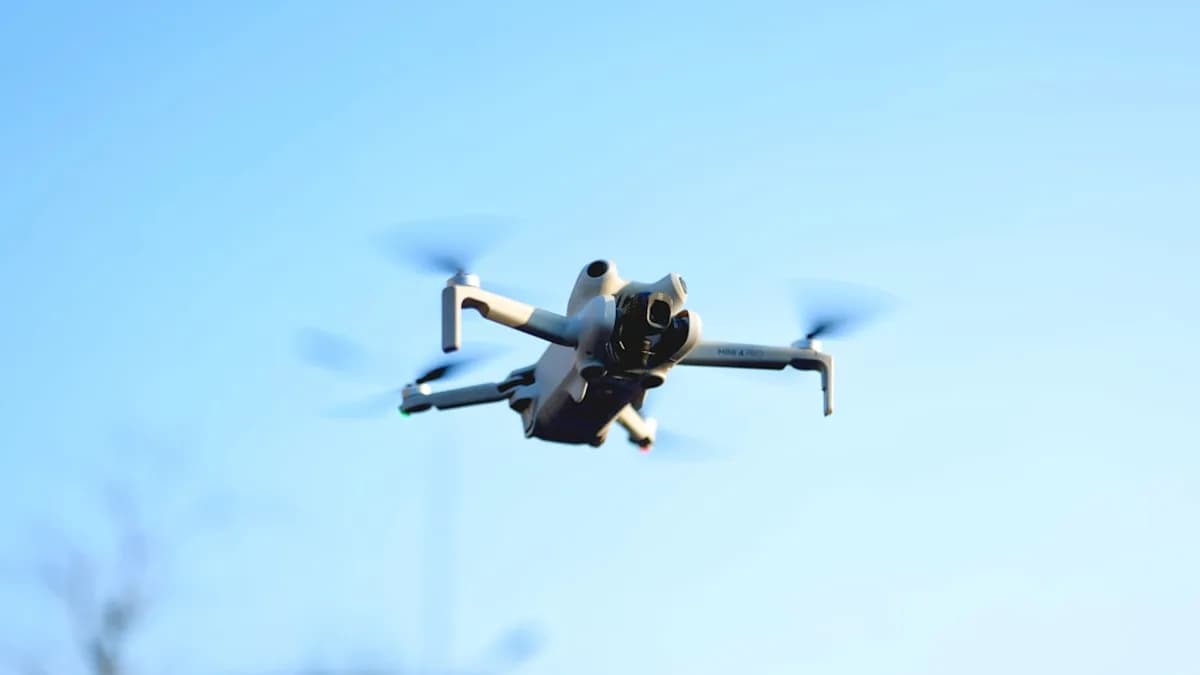
Pentagon's $54 Billion Drone Investment Surpasses Many National Military Budgets
The Pentagon wants $54 billion for drones, which is more than what most countries spend on their entire armies each year. This huge request for drone funding almost matches Ukraine’s full military budget, and it beats the total defense budgets of dozens of nations around the world [Source: Ars Technica]. That’s a staggering number. To put it plainly, the U.S. is betting big that drones will change the way wars are fought.
This large sum isn’t just for buying more flying robots. It covers everything from research to building new models, to training people, and keeping drones ready to fly. The size of this investment shows how serious the Pentagon is about making drones a core part of its fighting force. It also signals a shift in global military spending, raising questions about security, technology, and the future of warfare.
Breakdown of the Pentagon’s Drone Budget and Strategic Objectives
The $54 billion is planned to pay for a wide range of drone projects. This includes developing new types of drones, buying finished products, running missions, and supporting operations. The Pentagon wants to cover surveillance drones that watch from the sky, combat drones that can strike targets, autonomous drones that fly and act by themselves, and support drones that help move supplies or provide communication links.
Some money will go toward making drones smarter, so they can target enemies more accurately or avoid being shot down. Other funds will help build bigger fleets, so the U.S. can use drones in more places at once—from patrolling the Pacific, to tracking threats in Europe, to responding quickly in the Middle East.
The Pentagon’s main goal is clear: boost America’s military power by using drones for jobs that used to need people, or that are too risky for soldiers. Drones can fly longer and farther than most piloted aircraft. They can gather data from hard-to-reach places, and they’re cheaper to operate than fighter jets or helicopters.
The plan is to spread out the spending over several years. Some milestones the Pentagon wants to hit include launching new combat drone squadrons by 2027, testing advanced autonomous systems, and integrating drones with units on land, sea, and air. The hope is that drones will work together with human troops, making the whole force stronger and more flexible.
This budget also pays for training operators, updating control systems, and building secure networks. All these steps are meant to help the U.S. keep its lead in drone technology, while making sure the systems are reliable and ready for real battles.
Global Military Spending Context: How the Pentagon’s Drone Budget Compares
It’s rare for a single line item in a country’s defense budget to beat entire national military budgets. But that’s what the Pentagon’s drone funding does. Ukraine’s full military budget is about $52 billion. Many NATO members, including Belgium, Norway, and Portugal, spend less than $54 billion a year on all their tanks, planes, and troops combined [Source: Ars Technica].
Even big economies like Australia or Canada have defense budgets smaller than the Pentagon’s drone ask. Australia’s defense budget is around $42 billion. Canada’s is close to $30 billion. These countries run armies, navies, air forces, and pay for everything from salaries to bases. In comparison, the Pentagon plans to spend more on drones alone than these nations spend on all military needs.
This massive gap shows how much the U.S. values new technology. It also hints at a growing divide between countries that can pay for advanced systems and those that can’t. If the Pentagon gets this funding, it will have more drones than most countries have planes or ships.
Such a big investment could tip the balance of power. Nations that can’t match the U.S. in drone spending may fall behind in ways to fight wars or defend themselves. The U.S. drone fleet could become larger and more capable than the air forces of many allies and rivals. This might push other nations to buy or build their own drones, starting a new kind of arms race.
Strategic Implications of Massive Drone Investment for U.S. Defense and Global Security
A $54 billion drone budget means the U.S. military is betting that drones will be the key to winning future wars. Drones can watch, strike, and support troops without risking pilots. They can work day and night, in tough weather, or over hostile territory.
This shift could change how battles are fought. With more drones, the U.S. could spot threats sooner, hit targets faster, and back up troops with fewer losses. Drones can swarm together, overwhelm enemy defenses, or gather information that helps commanders make better choices.
Deterrence is another big factor. If the U.S. has a huge drone force, it can show rivals that any attack or move will be watched and answered—fast. This could help keep enemies from taking risks. Drones also let the U.S. project power far from home, sending signals to countries like China or Russia that America can respond anywhere.
But there are risks. Relying too much on drones could make the U.S. vulnerable if enemies find ways to hack, jam, or shoot them down. Drones can be lost to cyber attacks, electronic warfare, or new weapons designed to target them.
There’s also the chance that drones could be used in ways that blur the lines between war and peace. Autonomous drones, for example, may make decisions without direct human control. This could lead to mistakes or accidents, raising questions about who is responsible.
The U.S. drone build-up could spark a global race. Other countries may feel forced to ramp up their own drone programs, leading to more drones in the sky, and more chances for clashes or errors. Terrorists and rebels could try to copy U.S. designs, making the battlefield more dangerous.
The Pentagon’s plan also brings up questions for allies. NATO partners may need to rethink their own budgets and strategies to keep up. Smaller countries might worry about being left behind or losing influence. Diplomats will have to manage new tensions as the balance of power shifts.
Economic and Technological Impact of the Pentagon’s Drone Spending
The $54 billion drone budget is a windfall for the U.S. defense industry. Companies that make drones, sensors, and software will see big orders. This could mean thousands of new jobs, from engineers and programmers to factory workers and trainers.
Research and development will likely speed up, leading to new inventions in robotics, AI, and communications. Some of these breakthroughs could spill over into civilian uses—like better delivery drones, safer self-driving cars, or smarter farming tools.
Big spending also has trade-offs. Money spent on drones might mean less for other parts of the military, like ships or tanks. The Pentagon must balance its desire for high-tech gear with the need to keep older systems running.
There’s a risk that the U.S. becomes too focused on drones, missing out on other important upgrades. Still, the push for drones could help America stay at the forefront of technology, both in defense and beyond.
The Future of Military Power in the Age of Drone Dominance
The Pentagon's $54 billion drone budget is a sign that the U.S. wants to lead in the next era of warfare. This investment could change how battles are fought, how countries defend themselves, and how power is measured around the world.
As drones become more common, armies everywhere will have to adapt. Policymakers must weigh the benefits of new technology against the risks of accidents, escalation, and arms races. Allies will look for ways to keep up; adversaries may try to find weaknesses.
The challenge will be to use drones wisely, making sure innovation leads to better security—not just more danger. The Pentagon’s big bet is shaping the future, and everyone else will have to respond. Keep an eye on how this unfolds, because the age of drone dominance is just beginning.
Why It Matters
- The Pentagon’s $54B drone budget signals a major shift toward unmanned warfare and technological dominance.
- This investment surpasses most countries’ entire military budgets, highlighting U.S. priorities and defense scale.
- Such spending could reshape global security dynamics and accelerate the evolution of military strategies worldwide.