
Unpacking the Mike Vrabel and Dianna Russini Photo Controversy
Photos of Patriots coach Mike Vrabel with NFL reporter Dianna Russini stirred up a storm online and in sports media. The pictures showed Vrabel and Russini together in a way that some thought was too close, sparking big questions about boundaries between reporters and those they cover. Vrabel spoke out about the incident, saying he had “difficult conversations” after the photos came out. He called it a “distraction” but did not dive into details [Source: Google News].
This story blew up for a few reasons. Vrabel is a high-profile coach. Russini is a well-known NFL insider. The NFL is strict about professionalism. When the lines between personal and work life blur, people notice fast. Fans, players, and reporters want clarity. They want to know what happened and why. This isn’t just gossip—it's about trust in sports reporting and coaching.
Analyzing Mike Vrabel’s Statement: Missed Opportunities and Missteps
Vrabel’s statement about the photos was short and careful. He said he had “difficult conversations” with his family and called the photos a “distraction,” but he didn’t explain much [Source: Google News]. He never directly addressed what was in the photos or how they might affect Russini. His words left people guessing.
When a leader faces controversy, clear and honest communication matters. Vrabel’s vague phrasing made it seem like he was dodging tough questions. This left the door open for rumors and speculation. He could have said more to help Russini, who now faces extra scrutiny for simply doing her job. Instead, his statement focused on his own discomfort and didn’t mention Russini’s side at all.
This approach can make things worse. People want facts, not hints. By not naming the issue or defending Russini, Vrabel let the media shape the story. Headlines kept popping up about “difficult conversations” and “distractions,” but not about fairness or respect. In these moments, silence or soft words can sound like guilt or indifference. Vrabel missed a chance to clear the air and support a colleague caught in the mess.
The Role of Media and Professional Boundaries in Sports Journalism
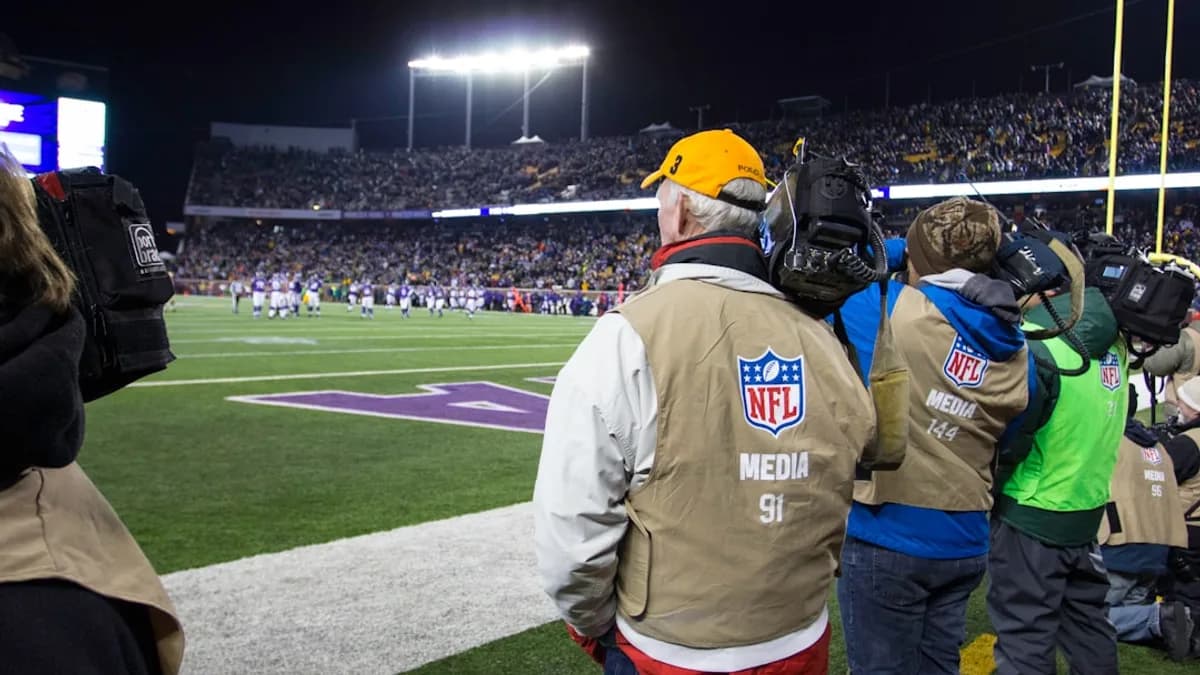
Reporters and coaches work close together in the NFL. To get news, journalists build relationships with players and staff. But there’s always a line. They must keep things professional. Russini’s job is tough. She needs access to coaches like Vrabel to get stories, but she risks being judged for how she gets that access.
This incident shows how fragile the balance is. If a photo looks too friendly, people wonder about fairness and ethics. Reporters—especially women—face harsher judgment. Russini has to prove she’s just doing her job, even when her private life gets dragged into the spotlight. This isn’t new. In the past, reporters have been accused of crossing lines, even when all they did was interview a coach after practice. Sometimes, simple gestures become headline news.
The NFL’s media rules are strict, but trust is the real currency. Coaches must be fair with reporters, and journalists must avoid conflicts. If a coach or reporter gets too close, it can damage their reputation and hurt their work. This story reminds us the rules are written, but the real test is how people act when things get messy.
Implications for Mike Vrabel’s Reputation and Leadership as Patriots Coach
Controversies like this can shake up a coach’s reputation fast. Vrabel is supposed to lead the Patriots—not just on the field, but off it too. Players watch how their coach handles tough situations. If they see him dodging questions or ignoring problems, trust can slip. The same goes for fans. They want to believe their coach stands for honesty and respect.
Public distractions can pull teams apart. The Patriots already have enough pressure to win games. Adding drama from off-field issues makes it harder to focus. Coaches set the tone. If Vrabel shows he can handle personal issues with openness and care, players will follow. If he doesn’t, the team may struggle to stay united.
Leadership means owning mistakes and explaining them clearly. Vrabel’s statement didn’t do that. He talked about “difficult conversations” but didn’t say much else. Without real answers, questions linger. The NFL community wants more from its leaders. When coaches speak out, they set an example for everyone—especially when the spotlight is harsh.
Broader Reflections: Navigating Privacy, Public Image, and Accountability in Sports
Today, privacy is hard to keep. Social media and fast news cycles make every small incident bigger. A photo can spark dozens of stories in minutes. Public figures like Vrabel and Russini must watch every move. The line between personal and professional is thinner than ever.
Fans expect openness, but they also want fairness. Too often, stories get spun for clicks, not truth. Athletes, coaches, and reporters need to know that anything can become public. This means thinking before acting—and speaking honestly when things go wrong. Transparency matters. It builds trust.
The Russini-Vrabel story is a lesson. Don’t let rumors drive the narrative. Address issues head-on. Protect privacy, but own up to mistakes. Leaders should support those caught in the spotlight, not leave them hanging. Journalists should stick to facts and avoid fueling drama. The best teams and newsrooms handle problems with care, not panic.
Moving Forward from the Vrabel-Russini Incident with Greater Awareness
This controversy shows how words and actions matter in sports. Vrabel’s weak statement left Russini with more questions than answers. Both public figures—and the media—can do better. Clear, honest talk helps everyone move on. Fans, players, and reporters deserve respect and truth.
Next time, leaders should think about the impact their words have. Reporters need fair treatment, not suspicion. Audiences should look for facts, not rumors. Sports are about trust—on and off the field. Moving forward, everyone should aim for more care and clarity when trouble comes knocking. That’s how we build a stronger, fairer sports world.
Why It Matters
- The incident highlights the importance of professionalism and boundaries between reporters and sports figures.
- Vrabel’s vague response left room for speculation, potentially harming reputations and trust in sports media.
- How leaders handle public controversies impacts both their own image and the well-being of others involved.