Introduction: Addressing the Urgent Security Concerns at Mexico’s Tourist Sites
A deadly shooting at the Teotihuacán pyramids has shaken Mexico and put its tourist sites under a harsh spotlight. Gunfire broke out at one of the country’s most famous ancient landmarks. One tourist died, and at least six others got hurt, including some Americans [Source: Google News]. The attack sent shockwaves through local communities and worried travelers. Tourism is a huge part of Mexico’s economy. It brings in billions of dollars and supports millions of jobs. When violence hits places meant for fun and learning, it risks both the country’s reputation and its wallets. With the World Cup just weeks away, Mexico faces pressure to keep visitors safe and show the world its best side.
The Incident at Teotihuacán: A Disturbing Attack on Cultural Heritage
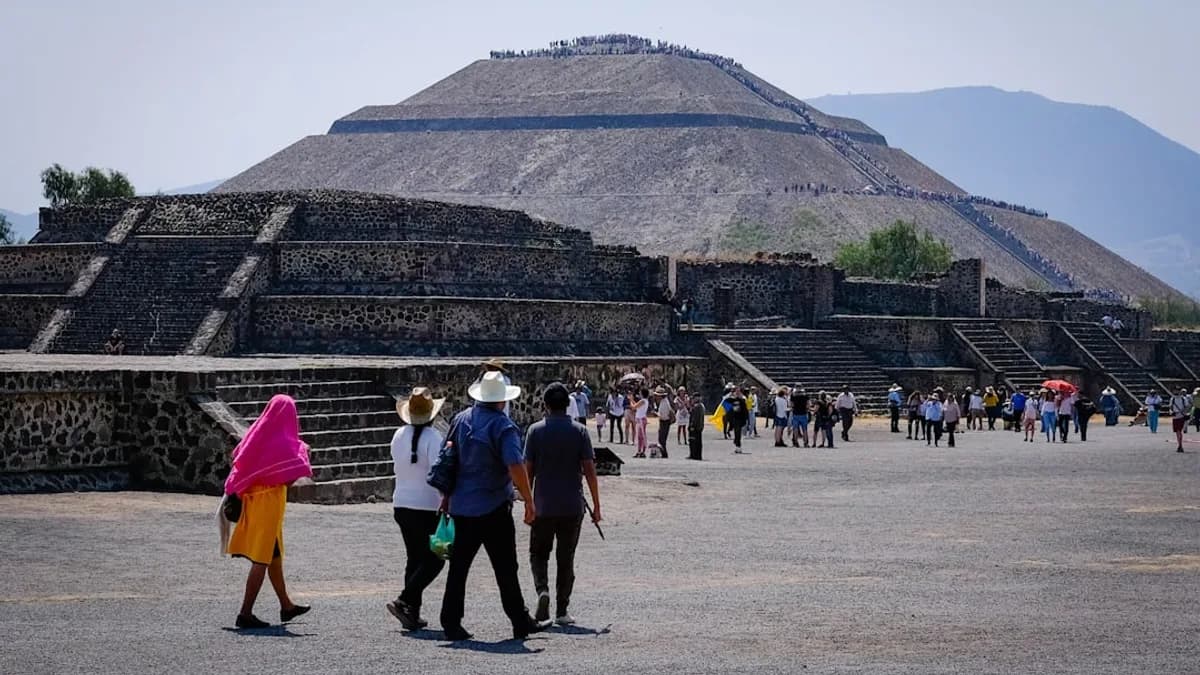
Teotihuacán is a place where history and culture meet. It’s known for its giant pyramids and draws people from all over the world. But on a recent afternoon, that peace was shattered. A gunman opened fire, killing a tourist and injuring six more. Some of the victims were Americans who came to see the famous site [Source: Google News]. Videos showed people running for their lives, and the scene quickly made headlines.
The shooter, Julio César Jasso Ramírez, had a troubling past. Reports say he celebrated violent acts like the Columbine massacre and followed far-right ideas [Source: Google News]. Authorities believe his extremist views played a big role in the attack. This wasn’t just random violence; it was targeted and planned. The fact that it happened at such a well-known spot made the impact even worse. Visitors expect safety at places like Teotihuacán, and this event broke that trust.
Current Security Measures and Their Shortcomings at Mexican Tourist Sites
Mexico’s tourist sites usually have some security. Guards, cameras, and police patrols are common at hotspots like Teotihuacán. But these steps often fall short when real threats appear. The pyramids cover a huge area, and crowds move freely. This makes it hard for security teams to spot trouble before it happens.
After the shooting, it became clear that the current system has holes. The attacker was able to walk in, carry a weapon, and strike without being stopped. Big, open spaces and lots of visitors make it tough to control who enters. Mexican authorities face a hard job: they must protect wide, open areas without ruining the experience for tourists. Budget limits and lack of training also play a part. Some sites rely on basic checks and don’t use advanced tools like metal detectors or smart cameras. The Teotihuacán shooting showed that these gaps can lead to disaster.
Why Strengthening Security Is Crucial Ahead of the World Cup and Beyond
The timing of this attack couldn’t be worse. Mexico will help host the World Cup in just a few weeks. This means a surge of international visitors, many of whom will come to see the country’s famous sites. The shooting at Teotihuacán has raised fears about safety for these guests [Source: Google News].
If tourists feel unsafe, they might skip Mexico altogether. Bad news spreads fast, and it can hurt the country’s image for years. Strong, visible security helps calm worries and keeps the flow of visitors steady. It also shows the world that Mexico takes safety seriously. By acting now, Mexico can rebuild trust and attract travelers who want both adventure and peace of mind. New security steps, like more guards, better cameras, and stricter entry checks, will be key. They must happen quickly to protect both people and the country’s reputation during this big event.
Balancing Security with Preserving the Cultural and Historical Experience
Too much security can make tourist sites feel cold or unwelcoming. Visitors come to see history, not to feel like they’re in a fortress. Mexico must find a balance between safety and keeping sites open to all.
Smart strategies can help. For example, hidden cameras, plainclothes guards, and clear emergency plans can boost safety without spoiling the fun. Other countries have faced similar challenges. France, for instance, stepped up security at the Eiffel Tower after attacks but kept the visitor experience friendly. Egypt uses modern tech at the pyramids while letting people walk freely. Mexico can learn from these examples and build a system that works for its unique sites.
Opinion: Mexico Must Take Decisive Action to Protect Its Heritage and Visitors
Mexico stands at a crossroads. This attack is a warning that things must change. The government should invest more in both people and technology. More training for guards, better cameras, and smart entry systems can make a big difference. But it’s not just about buying new gear. Mexico needs to fix deeper problems, too.
Violence doesn’t just happen at tourist spots. It comes from bigger issues, like poverty, lack of jobs, and social unrest. Tackling these problems can help stop attacks before they start. Local communities must get involved. They know their areas best and can spot trouble early. Tourism groups, police, and the government should work together.
Building trust is key. When people feel safe, they visit, spend money, and tell their friends. When sites are secure, Mexico protects both its history and its future. The country should start with strong reforms, listen to experts, and make sure every site has a plan. This isn’t just about one event—it’s about the long-term health of Mexico’s most valuable treasures.
Conclusion: Safeguarding Mexico’s Tourist Sites Is Essential for National Pride and Economic Stability
Protecting tourist sites is more than a safety issue. It’s about national pride and keeping the economy strong. Security upgrades, public awareness, and help from international partners can make a real difference. Mexico has a chance to show the world it can keep its history safe and welcome visitors with open arms. If it takes strong action now, the country’s cultural landmarks will stay safe—and its future will be much brighter.
Why It Matters
- Tourism is a major economic driver in Mexico, so violence at tourist sites threatens jobs and revenue.
- The shooting at Teotihuacán undermines confidence in the safety of Mexico's cultural landmarks for both domestic and international visitors.
- With major events like the World Cup approaching, Mexico faces urgent pressure to improve security and protect its global reputation.