Overview of the Matthew Rutledge Rape Charges and Court Proceedings
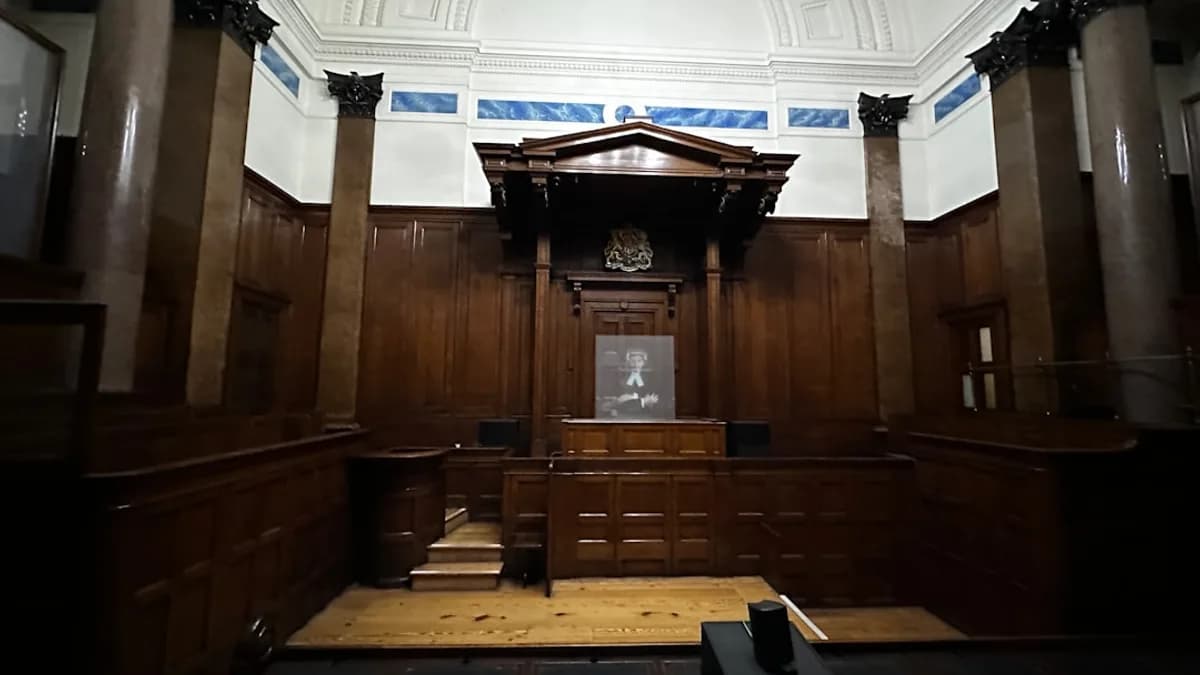
Matthew Rutledge, a former teacher at Miss Hall’s School in Pittsfield, Massachusetts, stood in Berkshire Superior Court this week charged with raping former students. The charges say Rutledge sexually assaulted two students while he worked at the private girls’ school. The case started after students came forward with their stories, leading to a police investigation and Rutledge's arrest. The arraignment saw Rutledge plead not guilty to multiple counts of rape and related crimes. The judge set bail and barred Rutledge from contacting the alleged victims or returning to the school [Source: Google News].
The timeline goes back several years. Alleged assaults happened while Rutledge taught at the school. Reports surfaced as students felt safe enough to speak out, sparking broader investigations into Rutledge’s conduct. The legal charges include aggravated rape and indecent assault and battery on a person 14 or older. Prosecutors say they have evidence and witness statements, but the trial is still ahead. Rutledge’s lawyer says he will fight the charges, and the court will sort through the facts in the months to come. The case is now at the pre-trial stage, with hearings set for later this summer.
Impact on Victims and the School Community in Massachusetts
The fallout from these charges hits hardest for the alleged victims. Many survivors of teacher abuse wrestle with anxiety, depression, and feelings of betrayal. They trusted their teacher, only to have that trust broken. Experts say these emotions can last a long time and impact both school and home life. It takes courage for students to speak up, especially when the accused is someone in power.
Miss Hall’s School responded by promising a full review of its safety policies and offering counseling. School leaders sent letters to families, talked to students, and opened channels for reporting abuse. Local groups and crisis centers in Massachusetts also stepped in, offering support to students and staff who feel shaken by the news. The school community is reeling, but many are rallying around the victims.
This case shines a light on the need for strong support systems in schools. Massachusetts has laws protecting students, but schools often struggle to keep up with best practices. The wider community is asking tough questions: How did this happen? How can we keep students safe? The answers are not simple, but the case has sparked conversations on student safety statewide.
Legal and Institutional Challenges in Prosecuting Teacher Sexual Abuse Cases
Cases like Rutledge’s are hard to prosecute. Many times, the alleged abuse happened years before anyone came forward. Memories fade, witnesses move away, and evidence can be hard to find. Lawyers must build their case from student testimonies, old records, and any physical evidence they can gather. Some victims worry about retaliation or not being believed, making it tough to get clear statements.
One big hurdle is the statute of limitations. In Massachusetts, laws have changed to give victims more time to report crimes, but some cases still slip through the cracks. Legal protections for survivors have improved, but experts say more work is needed. Schools also face challenges in handling abuse claims. Sometimes, staff don't report suspicions, or administrators fail to act quickly. These gaps can leave students at risk.
Institutional accountability is a major issue. Schools must train staff to spot signs of abuse and act fast. But mistakes happen. In past cases, teacher abuse went unreported for years, leaving victims without help. Recent cases in Massachusetts, like those at Phillips Exeter Academy and Boston Latin School, show the pattern: long delays, slow investigations, and sometimes, schools putting reputation first [Source: Google News]. Courts must balance protecting victims with giving the accused a fair trial. The process is slow and painful, but it’s vital for justice.
Nationally, data from the U.S. Department of Education shows teacher sexual abuse is rare but deeply damaging. When cases make headlines, they push schools to rethink their policies. Still, survivors often face stigma, and many abuse cases never reach court. The Rutledge case fits a troubling pattern but could spark reforms.
Broader Implications for Educational Policy and Preventative Measures
Rutledge’s case raises urgent questions about school safety. Are current policies enough to protect students? Experts say schools must do more. Many Massachusetts schools now train staff on spotting abuse, but some don’t require regular updates. Reporting protocols sometimes fail, leaving victims unsure where to turn.
Stronger safeguarding policies are needed. This means background checks for staff, clear reporting lines, and regular student training on how to speak up. Some schools use anonymous tip lines or outside investigators to handle claims. Transparency is key. Families want to know what happens when someone reports abuse and how schools act.
Policy reforms could help. Lawmakers in Massachusetts are looking at ways to close loopholes and make reporting easier. Some suggest mandatory annual abuse prevention training for all school workers. Others want better tracking of teachers accused of misconduct, so they can’t move from school to school without notice.
Community awareness is another tool. When parents, students, and teachers talk openly about abuse, it breaks the silence and helps survivors. Education groups run workshops and share resources so everyone knows the warning signs. It’s not just about rules—it’s about building a culture where students feel safe. The Rutledge case is a wake-up call for schools across the state.
Conclusion: Reflecting on Justice, Healing, and Future Protections for Students
The Rutledge case is still unfolding, but it already shows why student safety matters. Survivors deserve justice and support as they heal. The school community must listen and act, making sure lessons are learned. This case proves the need for stronger safeguards, clearer reporting, and a culture that puts students first.
Schools must work harder to protect kids. That means real changes—better training, stronger policies, and open conversations. The signs of abuse are often hidden. It takes courage to speak up, and everyone must help. As the legal process runs its course, the big takeaway is clear: vigilance and community engagement are vital. Protecting students is everyone’s job, and this case is a reminder to keep pushing for safer schools.
Why It Matters
- The case highlights issues of student safety and accountability in educational institutions.
- Allegations of sexual abuse by teachers can have lasting psychological impacts on victims and erode trust in schools.
- The school’s response and upcoming trial underscore the importance of transparent policies and support systems for survivors.