


Introduction: Setting the Stage for Game 1
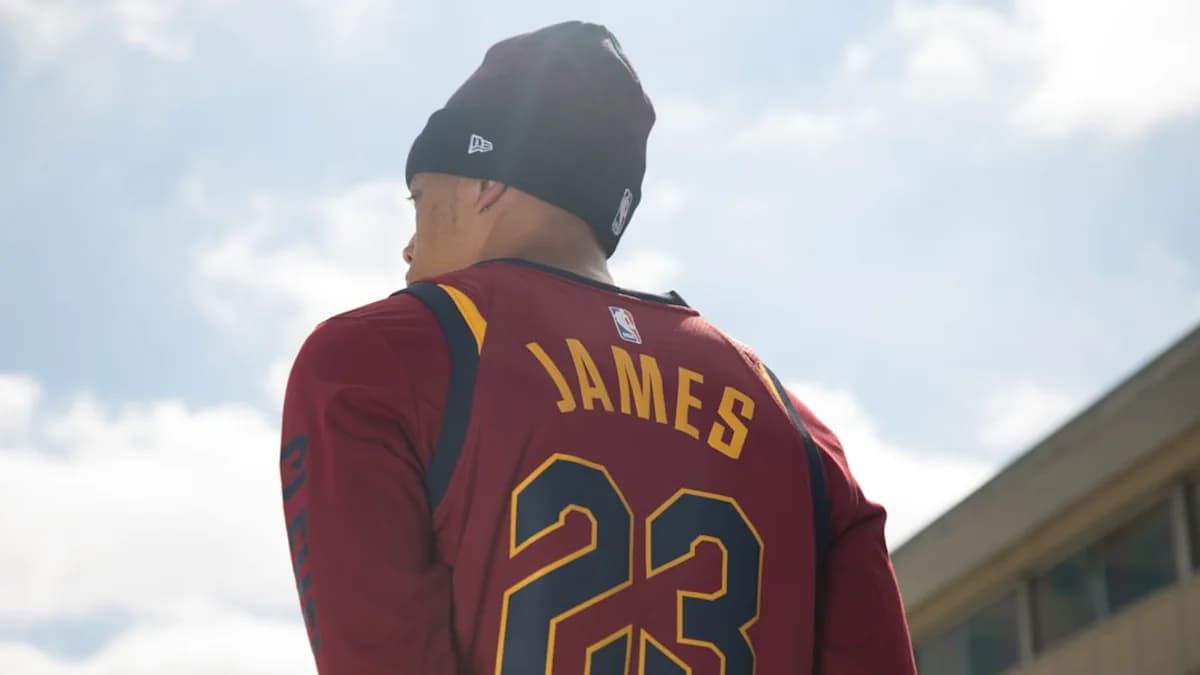
Game 1 of the Lakers vs. Rockets playoff series delivered more than its share of drama and surprises. Despite the Rockets missing superstar Kevin Durant, the matchup was far from a foregone conclusion, with both teams entering the postseason eager to assert dominance. In the end, it was the Los Angeles Lakers who claimed the upset, toppling Houston in a hard-fought contest. At the heart of the Lakers’ victory stood LeBron James, whose 'triple threat' performance—combining scoring, playmaking, and defensive prowess—anchored his team’s success [Source: Source]. The stakes were high, as the winner of this series could reshape the playoff landscape and set the tone for the conference finals. For Lakers fans, Game 1 brought hope; for Rockets supporters, it raised tough questions about the team’s resilience without their marquee player.
LeBron James’ Impact: More Than Just Scoring
LeBron James’ legacy is built not only on his scoring ability but also on his multifaceted contributions on the basketball court. In Game 1, he embodied the ideal of the 'triple threat'—a player who can shoot, drive, and pass with equal effectiveness. LeBron poured in crucial points, consistently attacking the rim and knocking down outside shots, but his influence extended well beyond the scoreboard. His court vision enabled him to orchestrate the Lakers’ offense, finding open teammates and creating opportunities that kept Houston’s defense guessing [Source: Source].
Defensively, LeBron played a key role in limiting the Rockets’ perimeter threats, using his athleticism and anticipation to disrupt passing lanes and contest shots. This balanced approach was especially vital with the Lakers fielding a short-handed lineup. LeBron’s leadership was palpable, as he rallied his teammates and set the emotional tempo for the game. Under playoff pressure—where every possession counts—his poise and adaptability proved invaluable, reinforcing why he remains one of the NBA’s most feared postseason performers. The 'triple threat' moniker goes beyond mere statistics; it speaks to LeBron’s ability to elevate those around him and anchor his team in moments of uncertainty. For the Lakers, his all-around excellence was the difference between a narrow win and a deflating loss.
Luke Kennard and the Lakers’ Supporting Cast Stepping Up
While LeBron was the headline act, Game 1 was also defined by the Lakers’ supporting cast, who stepped up in the absence of several regular contributors. Luke Kennard, in particular, delivered an unexpected spark. Tasked with greater responsibility due to a depleted roster, Kennard responded with timely baskets and defensive hustle, providing a stabilizing presence alongside LeBron [Source: NBA]. His ability to stretch the floor and hit key three-pointers forced Houston to adjust their defensive schemes, opening up lanes for other Lakers to attack.
Beyond Kennard, role players like Austin Reaves and Rui Hachimura contributed solid minutes, making the kind of small plays—rebounds, assists, defensive stops—that often go unnoticed but are essential for playoff success. The Lakers’ bench, widely viewed as a weakness during the regular season, showed newfound resilience, helping to preserve the lead in crunch time. This collective effort bodes well for the Lakers’ prospects, as depth and adaptability are crucial in a long series. If the supporting cast can sustain this level of performance, the Lakers will be well-positioned to weather future injuries and matchup challenges.
Room for Improvement: What the Lakers Must Address
Despite the win, the Lakers’ Game 1 performance revealed several areas in need of refinement. Defensive lapses, particularly in transition, allowed the Rockets to capitalize on fast-break opportunities and keep the score close throughout the game. Perimeter defense remains a concern, as Houston’s shooters found open looks when the Lakers’ rotations faltered [Source: The New York Times]. Additionally, offensive inconsistencies—stretches of stagnant ball movement and rushed shot selection—threatened to undermine the Lakers’ momentum.
Coach Darvin Ham will need to emphasize discipline and communication on defense, ensuring that all five players are engaged and aware of their assignments. Offensively, the Lakers must improve their execution in half-court sets, relying less on isolation and more on purposeful movement. These adjustments are not merely cosmetic; in a playoff series where the margin for error is razor-thin, even minor lapses can swing outcomes. For the Lakers to maintain their advantage, they must build on Game 1’s positives while shoring up the vulnerabilities that the Rockets will surely target in subsequent games.
The Rockets’ Challenge Without Kevin Durant
The absence of Kevin Durant cast a long shadow over the Rockets’ Game 1 strategy. Without their offensive centerpiece, Houston was forced to rely on a committee approach, spreading the scoring burden among multiple players. This shift required greater adaptability and resilience, as the Rockets sought to compensate for Durant’s elite shot-making and ability to command defensive attention [Source: CBS Sports]. While the team showed flashes of cohesion—moving the ball effectively and generating good looks—they struggled to finish at crucial moments, a testament to Durant’s irreplaceable presence.
However, the Rockets’ response was not without merit. Players like Jalen Green and Alperen Şengün embraced larger roles, displaying the kind of grit that could fuel a comeback in the series. Houston’s coaching staff will likely make tactical adjustments, focusing on defensive intensity and exploiting the Lakers’ weaknesses. The playoff narrative now pivots on whether the Rockets can regroup and challenge the Lakers with a retooled game plan. Durant’s absence alters the balance of power, but it also creates opportunities for emerging talents to step into the spotlight and test the Lakers’ resolve.
Conclusion: Looking Ahead to the Series
Game 1’s outcome sets the stage for a compelling playoff narrative. The Lakers’ upset victory showcased LeBron James’ enduring brilliance and the emergence of a resilient supporting cast, but it also highlighted areas demanding improvement if they hope to advance deeper into the postseason. For the Rockets, the challenge of playing without Kevin Durant looms large, yet their competitive spirit suggests this series is far from decided [Source: Source]. As both teams adjust and strategize, the spotlight remains firmly on LeBron—his leadership and versatility will be the barometer for the Lakers’ success. If the supporting cast can maintain their level and the Lakers shore up their weaknesses, the momentum may stay in Los Angeles’ favor. But the Rockets, driven by necessity, are poised to fight back. The stage is set for a battle of adaptation, resilience, and star power—a series that promises to keep fans on edge until the final buzzer.