
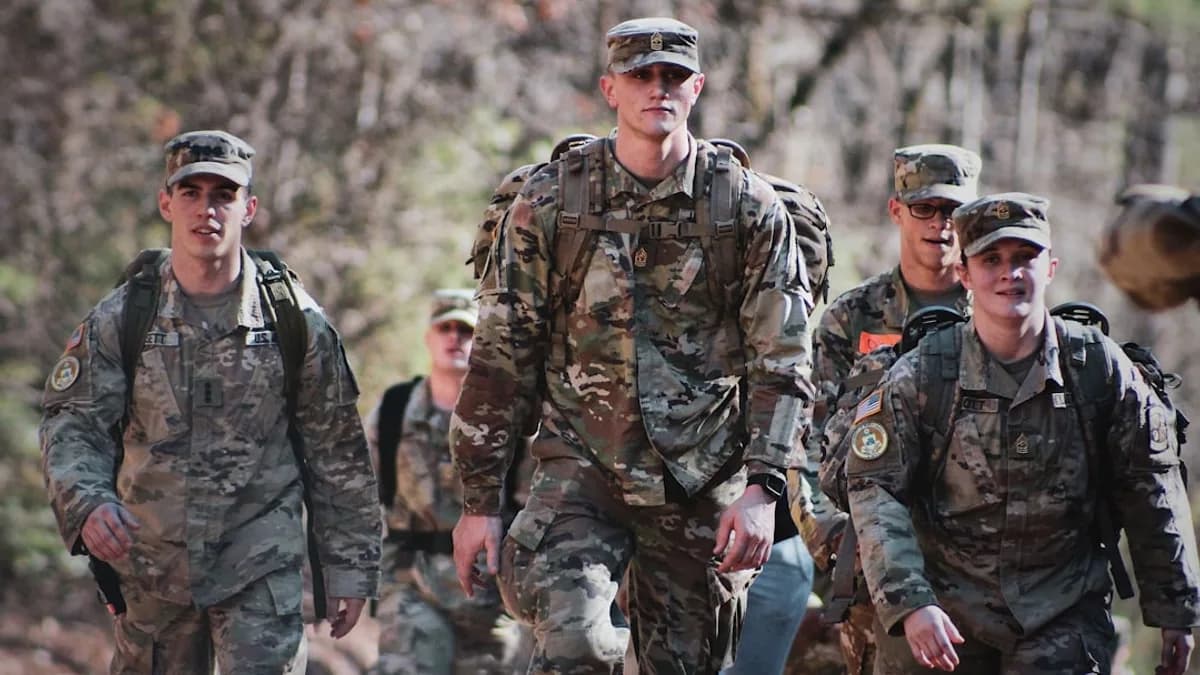



Introduction: Bear Attack Injures Two JBER Soldiers During Training
Two U.S. Army soldiers stationed at Joint Base Elmendorf-Richardson (JBER) in Alaska were injured in a rare but serious bear attack during a training exercise in the Arctic Valley area on Wednesday. The soldiers were participating in a routine field exercise when they encountered a brown bear, resulting in injuries that required immediate medical attention. Base officials quickly responded to the scene, and both soldiers were transported for emergency treatment. Incidents involving wildlife are uncommon but pose a persistent risk for military personnel training in Alaska’s rugged, animal-rich terrain. The attack has prompted renewed conversations about safety protocols and the unique challenges of conducting military operations in the Alaskan wilderness [Source: Source].
Details of the Incident and Location
The incident occurred during a scheduled training exercise in the Arctic Valley, a remote and mountainous region east of Anchorage known for its challenging terrain and wildlife presence. According to initial reports, the soldiers were engaged in land navigation training—a standard exercise designed to hone skills in orienteering and survival under Arctic conditions—when the bear encounter unfolded.
Officials identified the animal as a brown bear, a species native to Alaska and known for its size and unpredictable behavior, particularly during the spring and summer months when bears are most active. Eyewitness accounts suggest that the bear appeared suddenly, likely startled by the presence of the group. The animal charged at the soldiers, resulting in a brief but violent confrontation.
The two soldiers sustained injuries of varying severity. Military spokespeople indicated that one soldier suffered wounds to the upper body, while the other sustained injuries to the lower extremities. Both were conscious and able to communicate immediately after the incident, which was instrumental in facilitating a swift response from their unit [Source: Source]. The exact circumstances leading to the bear’s aggression remain under investigation, but wildlife experts note that bear encounters often occur when the animals are surprised or feel threatened, especially in areas with dense vegetation or low visibility.
Response and Medical Treatment
Following the attack, fellow soldiers and training supervisors acted quickly to provide first aid and alert emergency services. Base medical personnel and wildlife response teams were dispatched to the scene within minutes. The injured soldiers were stabilized at the site before being transported to the JBER hospital for further evaluation and treatment.
A statement from JBER leadership commended the rapid response by both the soldiers’ unit and base medical staff, highlighting the effectiveness of emergency protocols in mitigating the severity of the injuries [Source: Source]. “Their training and quick thinking made a critical difference,” a base spokesperson said. Both soldiers are reported to be in stable condition, with non-life-threatening injuries. Medical officials remain optimistic about their recovery, though they will continue to monitor the soldiers for any complications related to trauma or infection.
Military officials have also confirmed that the safety of all personnel involved in the exercise was ensured, and no additional injuries were reported. The area of the attack was temporarily closed for investigation and to allow wildlife officers to assess ongoing risks.
Safety Protocols and Wildlife Risks at JBER
Joint Base Elmendorf-Richardson has longstanding protocols for minimizing wildlife encounters during training, reflecting the reality that Alaska’s wilderness is home to bears, moose, and other potentially dangerous animals. Soldiers are routinely briefed on wildlife safety, including carrying bear spray, making noise to avoid surprising animals, and traveling in groups during field exercises.
Despite these measures, encounters are not entirely avoidable. In recent years, JBER has recorded a handful of bear sightings and non-fatal encounters, though attacks remain rare [Source: Source]. The base collaborates closely with Alaska wildlife agencies to monitor animal activity and adapt training areas as needed. Signage, fencing, and real-time tracking of bear movements are among the tools used to reduce risk.
Military officials acknowledge the difficulties of training in such an environment. Dense forests and mountainous terrain can limit visibility, making it challenging to spot wildlife before a close encounter occurs. The spring thaw and increased bear activity further compound these risks.
In the wake of this week’s attack, JBER leadership has ordered a review of current protocols, with an emphasis on enhancing situational awareness and reinforcing best practices for bear encounters. Additional training sessions on wildlife safety and emergency response are planned for all personnel engaged in outdoor exercises.
Broader Implications and Military Training in Alaska
Alaska’s challenging environment is a critical training ground for U.S. military forces, offering a unique opportunity to prepare for Arctic operations and extreme cold-weather conditions—a growing focus for national defense strategy in light of shifting geopolitical interests in the Arctic region [Source: Source]. Exercises like those conducted in Arctic Valley are essential for building soldier resilience, adaptability, and operational readiness.
However, the necessity of rigorous training must be balanced against the realities of environmental and wildlife hazards. Incidents like the recent bear attack highlight the unpredictable nature of Alaska’s wilderness and the ongoing need to adapt safety measures without compromising training objectives.
Military leaders have reiterated their commitment to soldier safety. In a statement, JBER command said, “Our priority is always the well-being of our personnel. We will continue to review and strengthen our protocols to ensure that our soldiers are prepared for both the environmental challenges and the mission requirements they face.”
While the base does not anticipate significant disruptions to its training schedule, officials are mindful of the impact such incidents can have on morale and preparedness. Support services, including counseling and medical care, are being made available to those affected.
Conclusion: Incident Highlights Risks of Arctic Military Training
The bear attack at Joint Base Elmendorf-Richardson serves as a sobering reminder of the inherent risks faced by soldiers training in Alaska’s untamed wilderness. While the injured soldiers are expected to recover, the incident has prompted a thorough review of safety measures and reinforced the importance of vigilance and preparedness in wildlife-rich environments.
As investigations continue and policies are reviewed, the resilience and adaptability of JBER personnel remain evident. Military officials are confident that with enhanced awareness and updated protocols, soldiers will continue to train effectively and safely in the challenging conditions Alaska presents. This incident underscores the delicate balance between operational readiness and environmental hazards—a reality that shapes military training in the far north [Source: Source].