Japan’s Historic Shift Away from Postwar Pacifism
Japan just made a big change. The country decided to allow exports of lethal weapons for the first time since World War II. This move marks a break from nearly 80 years of strict pacifism. After WWII, Japan’s leaders wrote a constitution promising never to fight or send weapons abroad. But now, Japan’s government says times have changed. They want to modernize defense policies and support allies like the United States. Not everyone agrees. Many young people are pushing back, worried Japan is losing its peaceful identity. Some are shouting, “Stop sucking up to America,” at rallies across the country [Source: Google News]. This debate isn’t just about weapons. It’s about Japan’s values, its place in the world, and the role of the next generation.
Understanding Japan’s Pacifist Constitution and Its Global Significance
Japan’s constitution is famous for Article 9. This article says Japan will never go to war or keep a military for fighting. It was written after WWII, when Japan faced huge destruction and loss. Leaders wanted to make sure the country never became aggressive again. For decades, this rule shaped Japan’s defense policy. Japan built a “Self-Defense Force,” but only used it for protection and disaster relief.
Article 9 helped Japan become a symbol of peace. Other countries trusted Japan not to start conflicts. In East Asia, where old rivalries run deep, this stance made a difference. Japan kept strong trade ties with China and South Korea, even when politics got tense. The world saw Japan as a partner for peace, not a threat. This policy also helped Japan focus on economic growth, science, and culture instead of war.
Some experts say Japan’s pacifism is rare. Few nations have such strong laws against fighting. Even Germany and Italy, which lost WWII, kept armies and sometimes sent troops abroad. Japan stood out—its peace stance shaped global security and inspired activists worldwide. Now, the country faces a big question: Should it keep this tradition or change with the times?
The Government’s Rationale for Lifting the Ban on Lethal Weapons Exports
Japan’s leaders say the world is getting riskier. North Korea launches missiles. China’s military has grown fast. Russia’s war in Ukraine shocked many. Officials argue Japan needs stronger defense ties with the US and other allies. By selling weapons, Japan can help friendly nations and get support in return [Source: Google News].
Another reason is money. Japan’s defense industry has high-tech companies making everything from fighter jets to radar systems. Selling abroad could bring in billions of dollars. The government says this will help Japan stay competitive and create jobs. They call it “modernizing” defense policy to match global standards.
Japan’s leaders also talk about “responsible exports.” They promise to sell weapons only to trusted countries and for peaceful purposes. The goal, they say, isn’t to start wars but to help allies defend themselves. They argue this shift is smart and necessary for Japan’s security. Still, critics worry this is just the first step toward a bigger military role.
Youth-Led Resistance: Voices Against Militarization and US Influence
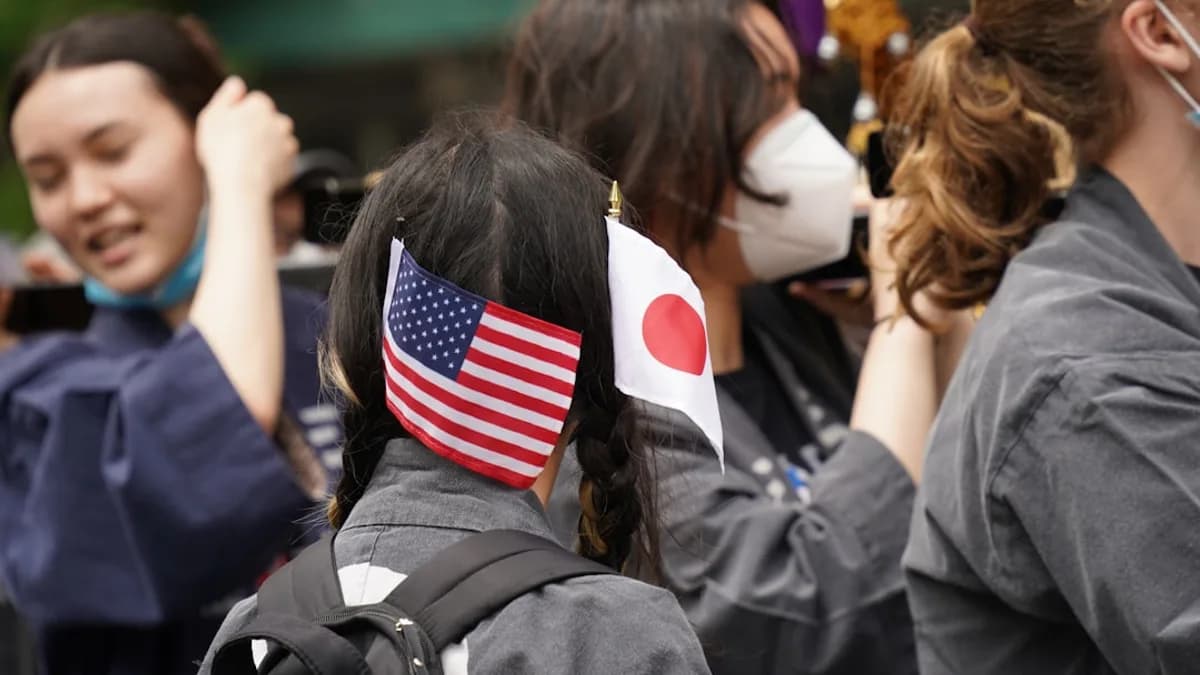
Young people in Japan are speaking out. Many feel angry and scared. They don’t want Japan to lose its peaceful identity. At rallies and online, they chant, “Stop sucking up to America.” They worry the government is acting for US interests, not what regular people want [Source: Google News].
Some say Japan is moving too fast. They fear the country could get dragged into global conflicts. They point to history: Japan’s militarism before WWII led to suffering across Asia. Youth groups warn that abandoning pacifism could make Japan less safe, not more.
For many young people, Article 9 is not just a law. It’s part of who they are. They grew up learning Japan is different—a country that stands for peace. Some fear that selling weapons will erase this identity. They want leaders to listen to their voices and protect the constitution.
Social media has made it easier for youth to organize. Students, activists, and artists share stories and ideas. They call for debate and demand transparency. Some even write letters to lawmakers or protest in front of government offices. This movement shows Japan’s democracy is alive, and the next generation cares deeply about the country’s direction.
Analyzing the Broader Implications for Japan’s Democracy and Regional Stability
Changing Japan’s pacifist policy isn’t just about defense. It touches the heart of Japan’s democracy. Article 9 was meant to protect the people from war. If leaders change it without broad support, trust in government could suffer. Many worry the shift is happening too quickly and without enough public input.
Relations with neighbors could get tricky. China and South Korea remember Japan’s past military actions. Both countries have warned that Japan’s new arms policy could spark tension. They worry about a new arms race in East Asia. If Japan starts exporting weapons, others may do the same. This could make the region less stable.
On the other hand, supporters say Japan needs to adapt. With North Korea testing missiles and China growing stronger, Japan can’t rely only on old rules. They argue that working with allies—especially the US—makes Japan safer. But critics point out that following US policy might mean losing Japan’s special identity as a peace nation.
The real challenge is finding balance. Japan wants to stay safe, but also keep its promise of peace. Can it do both? Some experts suggest Japan should focus on diplomacy and non-military aid. Others say the country needs stronger defenses. The debate is far from over.
Japan’s decision could also affect global arms markets. If Japanese companies start selling weapons, there could be more competition. This might push other countries to buy more or develop new weapons faster. History shows arms races can make regions more dangerous, not less. Japan’s choice could set a tone for others in Asia.
Opinion: Why Japan Should Reconsider Its Arms Export Policy to Uphold Peace
Japan’s pacifist identity is rare and valuable. For decades, the country proved you can be strong without fighting wars. This helped Japan earn trust from neighbors and set an example worldwide. Giving up this stance means losing something special.
The government’s focus on US alliances and defense industry profits ignores public worries. Many young people believe Japan should stand up for its own values, not just follow American interests. If leaders don’t listen, they risk losing the support of the next generation.
Youth voices matter. Today’s students and activists may shape Japan’s future. Their push for peace should guide policy, not be silenced. They remind us that defense isn’t just about weapons. It’s about protecting what makes Japan unique.
Instead of selling weapons, Japan could double down on diplomacy. The country has a strong history of mediating, offering aid, and building bridges. This approach brings long-term security, not just short-term gains. Japan can help solve problems without creating new ones.
Modern threats are real, but more weapons don’t always mean more safety. Japan should rethink its policy before going too far. The country can keep allies and stay competitive without losing its soul. By listening to youth and committing to peace, Japan could lead by example.
Conclusion: The Path Forward for Japan’s Pacifist Legacy and Youth Activism
Japan stands at a crossroads. The push for new defense policies clashes with the country’s pacifist ideals. Young people are rising up, urging leaders to protect Article 9 and Japan’s peaceful identity. Their activism is a sign of healthy democracy and a reminder that public debate matters.
The tension between security and peace won’t be solved overnight. But Japan has a chance to show that diplomacy and youth engagement can shape national policy. By choosing dialogue over militarization, Japan could inspire other countries to follow.
The next chapter depends on everyone—leaders, citizens, and especially young voices. If Japan listens and acts wisely, it can keep its promise of peace and help build a safer world.
Why It Matters
- Japan’s decision to export lethal weapons marks a major shift from nearly 80 years of pacifist policy.
- The change has sparked a generational debate about national identity and Japan’s future role in global security.
- Japan’s move could impact regional stability and its relationships with neighbors like China and South Korea.