Introduction: The Tragic Death of a Lebanese Journalist Amid Israeli Strikes
An Israeli airstrike in southern Lebanon killed a Lebanese journalist and at least four other people as attacks blocked rescuers from reaching the scene, Lebanese officials said [Source: Google News]. The strike happened during days of heavy fighting near the border, where civilians have struggled to escape the violence. Reports say rescue teams were unable to help because new strikes kept coming, making the area too dangerous. The Lebanese Prime Minister called the journalist’s death a war crime and accused Israel of targeting media workers. This tragedy shines a light on the risks faced by reporters in war zones and the growing human toll as fighting spreads. It also raises hard questions about how the world should respond when press freedom and basic rights come under fire.
The Human Cost of Conflict: Civilian Casualties and Press Freedom Under Fire
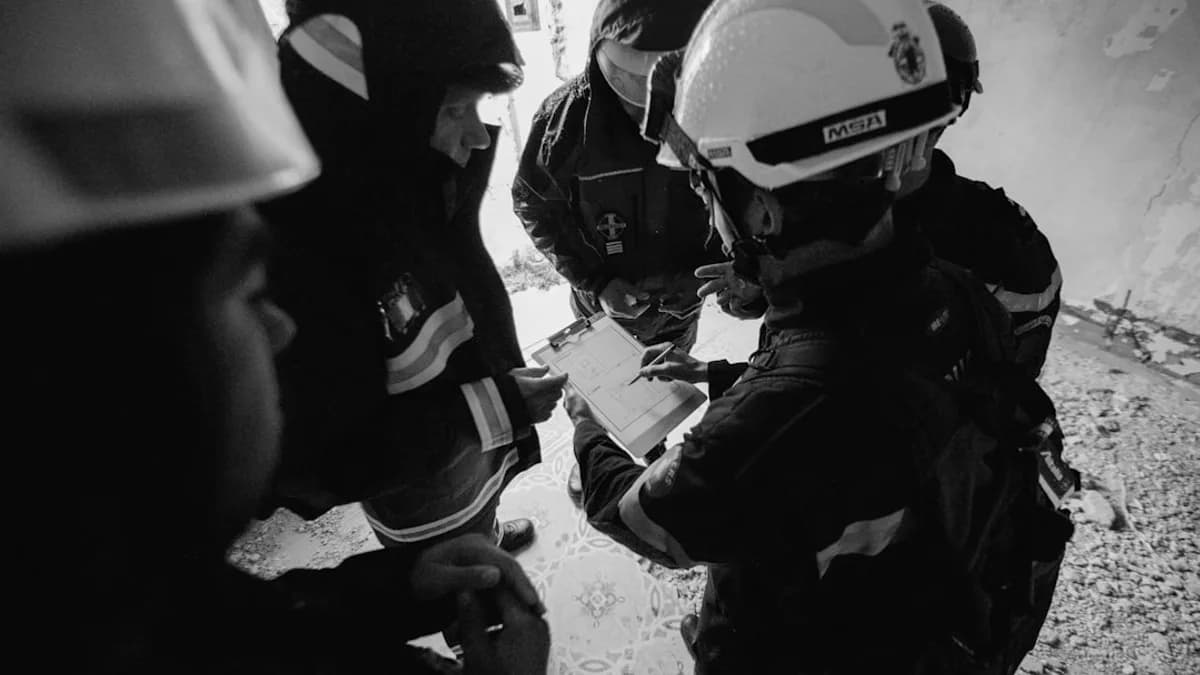
War always hits civilians hardest. In Lebanon, recent Israeli strikes have destroyed homes and killed families, leaving whole towns scared and on the move. The death of a journalist is especially painful. Reporters help us understand what’s happening. When they die, the story of the war gets harder to tell. According to news reports, the journalist was covering the fighting when the strike hit. The fact that rescuers couldn’t reach him or others hurt in the attack makes things worse. It shows how violence can cut off help for those who need it most.
Targeting or hurting journalists in conflict isn’t just a tragedy for their families. It’s a blow to press freedom everywhere. The United Nations says journalists must be protected, even in war. But in recent years, many have been killed or injured while reporting in places like Gaza, Syria, and Ukraine. When fighting blocks rescue workers, the risk to everyone grows. It’s not only about saving lives. It’s about making sure the world knows the truth. If reporters can’t work safely, stories get lost, and the suffering grows in silence.
International groups like Reporters Without Borders warn that attacks on journalists are rising. In 2023, over 60 reporters worldwide died in conflict zones. Many more were wounded or jailed. Each case hurts the public’s right to know. It also makes it harder for people outside these places to understand what’s really happening. When violence stops rescuers from doing their job, it leaves communities without hope and destroys trust in basic rules of war.
Legal and Ethical Dimensions: Accusations of War Crimes and International Law
Lebanon’s Prime Minister called the journalist’s death a war crime, saying Israel broke international laws that protect civilians and reporters [Source: Google News]. The Geneva Conventions lay out clear rules: civilians and journalists must not be targeted. Blocking rescue workers can also be a crime, since it puts more lives at risk. These laws are meant to keep some order amid chaos. But in many conflicts, they are ignored or twisted.
Holding countries accountable for war crimes is tough. The International Criminal Court (ICC) can investigate, but it often faces pushback from governments. Israel says its strikes target militants, not civilians. Lebanon and human rights groups argue that the strikes are too broad and endanger everyone nearby. Proving intent is hard. Gathering evidence in war zones is even harder. Satellite photos, witness testimony, and media reports can help, but they rarely lead to quick justice.
Ethically, the world faces a choice. Should we accept that reporters and rescue workers are fair targets in modern war? Most say no. Still, rules written decades ago don’t always fit today’s wars, where urban fighting and drones make mistakes common. Some experts call for stronger protections, including real-time monitoring and more support for journalists on the ground. But without political will, these ideas stay on paper.
One thing is clear: if the world doesn’t demand accountability, more civilians and reporters will die. International law is only as strong as the will to enforce it. When strikes kill journalists and block rescuers, it’s not just a local tragedy. It’s a warning to everyone who cares about human rights and truth.
Geopolitical Context: Escalating Tensions and the Fragile Ceasefire in Lebanon
The fighting in southern Lebanon comes after months of tension between Israel and groups in Lebanon, including Hezbollah. The border has seen many clashes since the war in Gaza started last year. Both sides have traded fire, but a ceasefire has kept things from getting worse—until now. The latest strikes threaten to break that fragile peace.
Diplomatic talks between Lebanon, Israel, and the United States are set to happen soon in Washington. But each new attack makes those talks harder. Leaders on both sides are under pressure from their own people. Some want more fighting, while others call for calm. The death of a journalist and other civilians could sway public opinion and push leaders to take tougher stances.
The region is already unstable. Syria, Iraq, and Yemen have seen years of war. Every new clash risks drawing in more countries. The United Nations and other groups worry that violence in Lebanon could spill over, making peace even harder to find. For ordinary people, this means more fear and less hope.
History shows that ceasefires can break quickly. In 2006, a war between Israel and Hezbollah lasted over a month and killed more than 1,000 people, most of them Lebanese civilians. Today’s fighting could end up just as deadly if leaders don’t act fast. The upcoming talks in Washington are a chance to calm things down. But without trust and real change on the ground, promises made in meeting rooms may not mean much.
Opinion: The Urgent Need for International Intervention and Media Protection
It’s time for the world to step in. When journalists die and rescuers can’t do their jobs, we all lose. The right to know what’s happening in war is basic. But it only works if reporters are safe and can work freely. Countries and international groups must do more to protect journalists and civilians.
First, stronger rules are needed. The United Nations should push for real-time monitoring of conflict zones. This could mean more cameras, satellite tracking, and public reporting. When attacks happen, the world should know fast—and leaders should face consequences. Second, more support must go to journalists on the ground. This includes safety gear, training, and ways to get out if things turn dangerous. Media companies can help, but governments and charities must step up.
Diplomatic efforts matter too. Ceasefires are good, but they need teeth. The U.S. and other big players should tie aid and support to respect for press freedom and civilian safety. If a country breaks the rules, it should face real penalties—not just angry speeches. The upcoming talks in Washington are a test. Will leaders put protecting civilians first, or will politics win out?
Ordinary people can help by paying attention. Public opinion shapes policy. When big stories like the death of a journalist make headlines, readers and viewers should demand answers. Social media can spread facts quickly, but it can also spread lies. Trusted media should work together to tell clear, honest stories. When journalists die, their work shouldn’t end in silence.
History proves that war without rules is chaos. The world should remember what happened in Lebanon and push for change. If we don’t, the cycle of violence will keep spinning, and more innocent lives will be lost.
Conclusion: Reflecting on the Cost of War and the Path Forward
The death of a Lebanese journalist in an Israeli strike is a painful reminder of the human cost of war [Source: Google News]. It shows how violence can destroy not just lives, but the truth itself. Press freedom and rescue workers are not luxuries—they are lifelines in times of crisis.
The world must act to protect them. Leaders, international groups, and everyday people need to demand respect for human rights and accountability. If we stay silent, the tragedy will grow. If we speak out, change becomes possible. The story in Lebanon is not just about one journalist. It’s about all of us—and the kind of world we want to build.
Why It Matters
- The death of a journalist highlights the extreme risks faced by media workers in conflict zones.
- Blocked rescue efforts reveal the growing danger for civilians and first responders during ongoing violence.
- This incident raises urgent questions about press freedom and the protection of basic rights in war.