Introduction: Understanding the Context of the Israel-Lebanon Ceasefire and Iran Deal
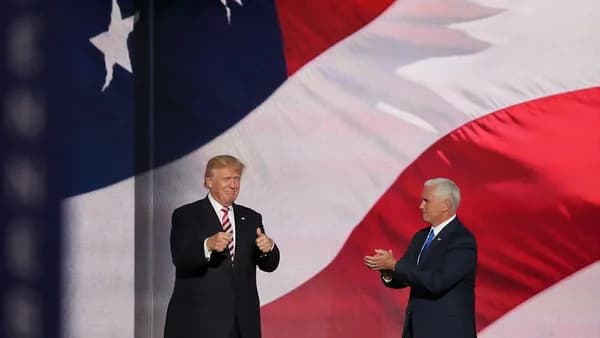
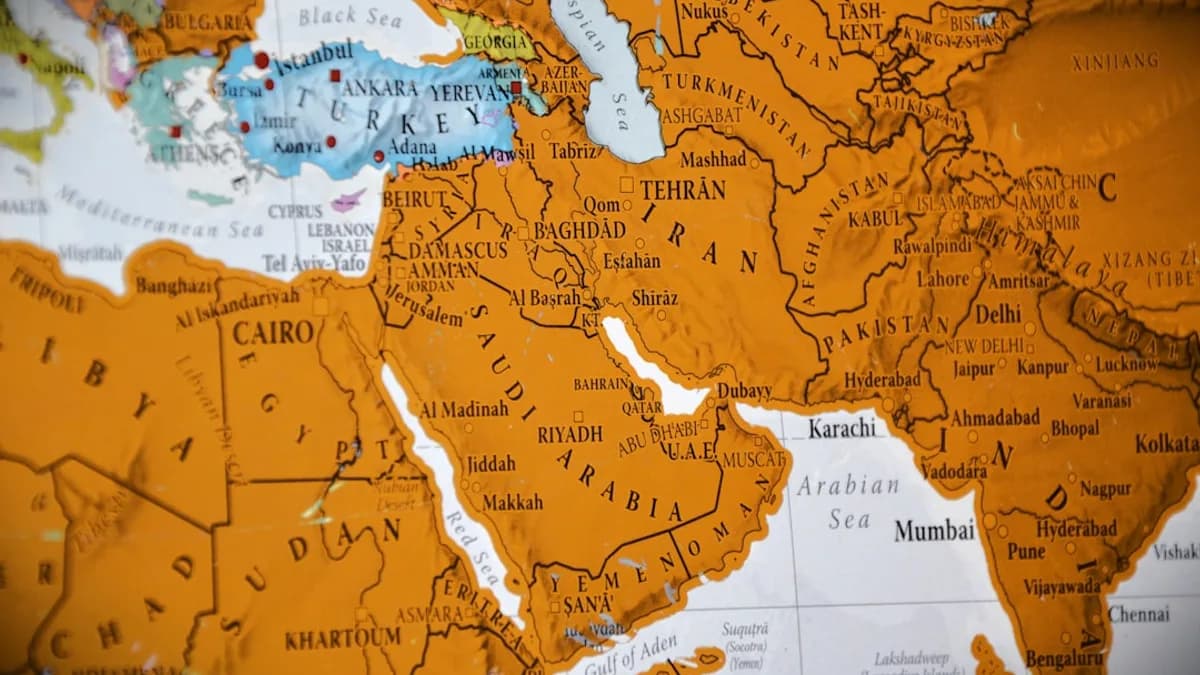
Recent developments in the Middle East have brought renewed attention to the ongoing tensions between Israel and Lebanon, as well as broader regional dynamics involving Iran. A 10-day ceasefire agreement between Israel and Lebanon has officially gone into effect, aiming to pause hostilities and offer a window for humanitarian relief and diplomatic talks [Source: Source]. At the same time, former US President Donald Trump has stated that a deal with Iran is "very close," suggesting a potential breakthrough in negotiations that could have far-reaching consequences for regional stability.
These events underscore the critical importance of ceasefires and diplomatic efforts in conflict zones. Understanding their mechanics and implications can help policymakers, analysts, and concerned citizens navigate the complexities of peacebuilding. This article serves as a practical guide to interpreting ceasefire agreements, monitoring diplomatic negotiations, assessing their impact, and engaging responsibly during unfolding crises.
How to Understand the Dynamics Behind Ceasefires in Conflict Zones
A ceasefire is a temporary halt in fighting, often agreed upon by conflicting parties to facilitate humanitarian aid, initiate dialogue, or prepare for broader negotiations. The primary objective is to reduce violence and create space for further diplomatic engagement. In the case of the Israel-Lebanon ceasefire, the 10-day pause was negotiated amid heightened tensions, with both sides seeking to avoid escalation and allow for relief efforts [Source: Source].
Key stakeholders in such agreements typically include the governments or military factions involved, international mediators (such as the United Nations or regional organizations), and affected civilian communities. The Israel-Lebanon ceasefire, for instance, required coordination between Israeli and Lebanese leadership, as well as input from international actors monitoring compliance [Source: Source].
Ceasefires are inherently fragile. They can be undermined by lack of trust, provocations, or miscommunications. In Lebanon, live updates have highlighted the tentative nature of this agreement, with reports of sporadic incidents and concerns about whether all parties will honor their commitments [Source: Source]. Historical precedents in the region show that ceasefires often serve as stepping stones toward broader peace talks, but their success depends on sustained dialogue, verification mechanisms, and willingness to address underlying grievances.
Understanding these dynamics is essential for anyone seeking to interpret the significance of a ceasefire. Recognizing the roles of various stakeholders, the potential pitfalls, and the broader context can help frame expectations and guide constructive engagement.
How to Monitor and Analyze Diplomatic Negotiations Like the Iran Deal
Tracking diplomatic negotiations in real time requires careful attention to official statements, credible news outlets, and live updates. In the context of the Iran deal, former President Trump's assertion that the US is "very close" to an agreement with Tehran has spurred intense speculation and media coverage [Source: Source]. To stay informed, individuals should rely on reputable sources such as BBC, CNN, Al Jazeera, and AP News, which provide verified information and analysis.
Understanding the roles of key actors is crucial. The US, Iran, Israel, Lebanon, and international mediators each bring distinct interests and perspectives to the table. US officials may frame negotiations in terms of security and regional influence, while Iranian leaders focus on sanctions relief and sovereignty. Israel and Lebanon watch closely, given the impact on their own security environments. International organizations and third-party mediators help facilitate dialogue and ensure transparency [Source: Source].
Interpreting political rhetoric versus actual progress is another important skill. Leaders often use strong language for domestic audiences or negotiating leverage, which may not reflect tangible steps forward. For example, Trump's prediction that Israel–Lebanon leaders would speak "tomorrow" was quickly rebuffed by Beirut, illustrating the difference between public statements and actual developments [Source: Source].
To monitor evolving talks, utilize tools such as news aggregators, official government websites, and social media accounts of credible institutions. Analytical resources, like think tank reports and expert commentary, can provide deeper context and help distinguish between symbolic gestures and substantive breakthroughs.
How to Assess the Impact of Ceasefires and Deals on Regional Stability
Evaluating the effects of ceasefires and diplomatic agreements requires consideration of both immediate and long-term outcomes. In the short term, the Israel-Lebanon ceasefire has led to a reduction in violence and enabled humanitarian agencies to operate more freely in affected areas [Source: Source]. These pauses can provide essential relief for civilians, allowing for the delivery of medical supplies, food, and other aid.
Long-term considerations go beyond the cessation of hostilities. Political reconciliation is often necessary to sustain peace, with economic recovery and institution-building playing vital roles. Ceasefires can open doors to negotiations that address root causes of conflict, such as territorial disputes, resource allocation, or governance issues. However, the risk remains that agreements will collapse if parties fail to follow through or if external actors disrupt the process.
Expert analysis and historical precedents offer useful frameworks for assessing potential outcomes. For instance, previous ceasefires in the region have sometimes led to renewed fighting, but in other cases, they have paved the way for lasting peace agreements. Monitoring these patterns can help gauge the likelihood of success and identify warning signs of instability.
If ceasefires or diplomatic deals are delayed or fail, the risks include renewed violence, displacement of civilians, and further erosion of trust. Understanding these dynamics enables stakeholders to advocate for robust monitoring, accountability, and sustained international engagement.
How to Engage and Inform Stakeholders During Ongoing Conflicts and Negotiations
During periods of active conflict and negotiation, journalists, analysts, and policymakers play a critical role in shaping public understanding and informed decision-making. Best practices include prioritizing accuracy, sourcing information from credible outlets, and avoiding sensationalism. Reporting should contextualize developments, clarify the implications, and highlight voices from affected communities.
Communicating complex diplomatic events requires clarity and responsibility. Simplifying technical jargon, using accessible language, and providing background information can help the public grasp the stakes and potential outcomes. Encouraging dialogue among stakeholders—such as community leaders, NGOs, and advocacy groups—fosters greater understanding and resilience.
Leveraging social media and official channels is essential for timely updates. Platforms like Twitter, Facebook, and Telegram enable rapid dissemination of news and alerts, but must be used judiciously to avoid spreading misinformation. Official statements and press releases from governments and international organizations remain primary sources for verified information.
By adhering to these principles, stakeholders can contribute to a more informed, engaged, and constructive public discourse during crises.
Conclusion: Navigating Ceasefires and Diplomatic Deals for Peace and Stability
Understanding and engaging with ceasefires and diplomatic negotiations is vital for promoting peace and stability in conflict zones. By learning to interpret the mechanics of ceasefire agreements, monitor real-time diplomatic developments, and assess their broader impact, stakeholders can make informed decisions and encourage constructive engagement. Responsible communication and accurate reporting are instrumental in shaping public awareness and fostering hope for lasting resolution.
As the Israel-Lebanon ceasefire unfolds and the potential Iran deal approaches, continued attention and analysis will be essential. The role of diplomacy in resolving complex conflicts underscores the importance of persistent, informed, and inclusive efforts. By staying vigilant and engaged, individuals and institutions can help navigate these challenges and contribute to a safer, more peaceful Middle East.