Introduction: Ceasefire Takes Effect Amid Regional Tensions
A fragile sense of relief has settled over the Israel-Lebanon border as a new 10-day ceasefire agreement takes effect, marking a significant pause in hostilities that have escalated in recent weeks. The announcement comes amid a backdrop of simmering regional tensions, with Iran maintaining a gridlocked situation in the strategically vital Strait of Hormuz, threatening to disrupt global oil flows and heightening anxiety across the Middle East [Source: Source]. The ceasefire, brokered after intense negotiations, is seen as a critical step toward preventing a wider regional conflict, especially as the interconnected dynamics between Israel, Lebanon, and Iran continue to shape the geopolitical landscape.
While the agreement offers hope for de-escalation, it is set against a complex tapestry of unresolved issues and the looming specter of renewed violence. The Strait of Hormuz remains a flashpoint, with Iran’s actions underscoring the persistent volatility in the region. As the ceasefire unfolds, attention turns to the potential for sustained peace and the challenges that lie ahead.
Details of the Israel-Lebanon Ceasefire Agreement
The ceasefire between Israel and Lebanon, set to last for 10 days, was finalized after a series of urgent diplomatic efforts involving regional and international stakeholders. The agreement aims to halt cross-border rocket fire, airstrikes, and ground incursions that have devastated civilian areas and infrastructure over recent weeks [Source: Source]. Both Israeli and Lebanese officials have issued cautious statements, expressing hope that the ceasefire will hold but warning of the risks should violations occur.
Israeli leaders emphasized their commitment to the ceasefire, noting it provides an opportunity to reassess military postures and facilitate humanitarian relief for affected communities in the north. Lebanese officials, while welcoming the pause, have stressed the importance of addressing underlying grievances—including border disputes and the role of Hezbollah—to ensure lasting stability [Source: Source].
The ceasefire was brokered with the assistance of the United Nations and diplomatic actors such as the United States and France, who urged restraint and facilitated closed-door negotiations. Immediate impacts have been observed: military activity along the border has slowed, and emergency services are beginning to reach previously inaccessible areas. However, both sides remain on high alert, with surveillance drones and patrols monitoring for any breaches.
Civilians on both sides have responded with cautious optimism, hoping the lull will allow for recovery and renewed dialogue. Humanitarian groups are mobilizing to deliver aid, but warn that the situation remains fluid and could deteriorate swiftly if provocations resume. The ceasefire’s success will depend on sustained political will and effective monitoring mechanisms [Source: Source].
Iran’s Continued Strait of Hormuz Gridlock
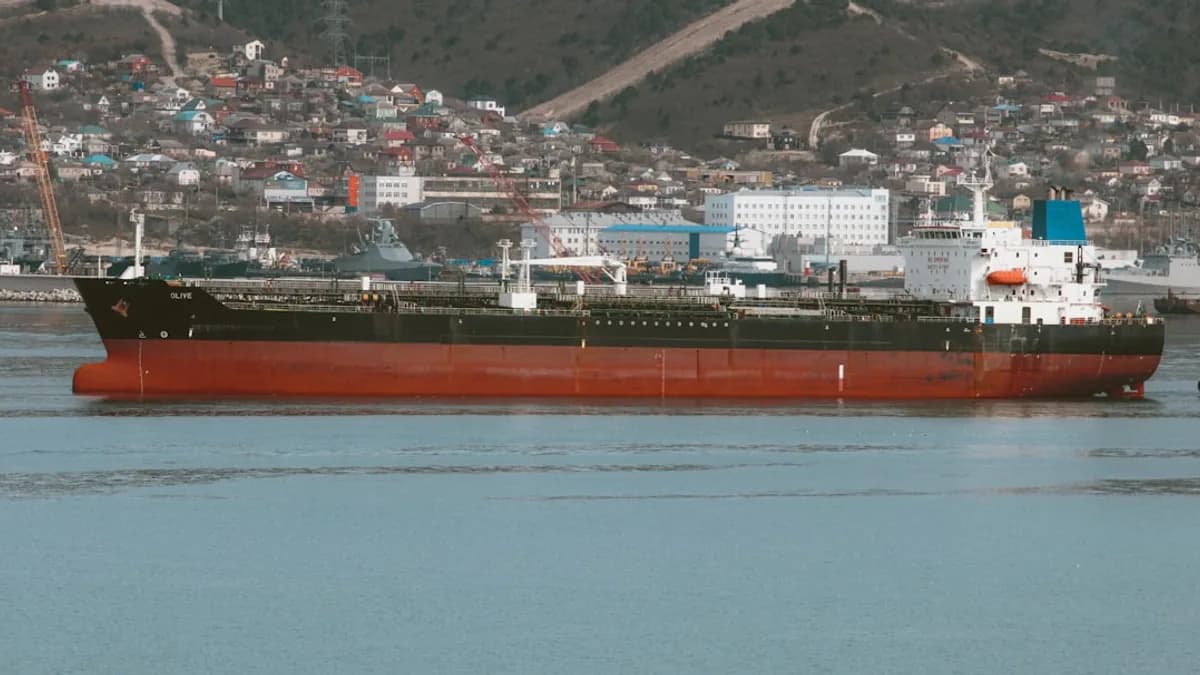
While the ceasefire unfolds in Lebanon, Iran’s actions in the Strait of Hormuz continue to reverberate across global markets and diplomatic corridors. Iranian forces have heightened their military presence, effectively gridlocking maritime traffic through the narrow waterway that is critical for the transit of nearly a fifth of the world’s oil supply [Source: Source]. This maneuver has sparked concerns among shipping companies and energy stakeholders, who fear prolonged disruptions and price spikes.
Iran’s strategy is widely interpreted as an attempt to exert leverage over regional rivals and the international community, linking its posture in the Strait to ongoing conflicts, including the Israel-Lebanon confrontation. By restricting passage, Tehran is signaling its capacity to influence broader geopolitical outcomes and complicate Western efforts to stabilize the Middle East [Source: Source].
Global powers have reacted swiftly. The United States and European Union have called for the immediate de-escalation, warning that any further obstruction could trigger economic repercussions and heighten military tensions. Maritime authorities are monitoring the situation closely, with some vessels rerouting or delaying shipments in response to the uncertainty.
The gridlock poses a direct challenge to diplomatic efforts aimed at resolving regional disputes. Analysts warn that Iran’s actions could undermine the ceasefire in Lebanon by emboldening militant groups or provoking retaliatory measures. The interconnectedness of these crises underscores the fragility of the current moment and the need for comprehensive regional solutions [Source: Source].
Political Reactions and Diplomatic Developments
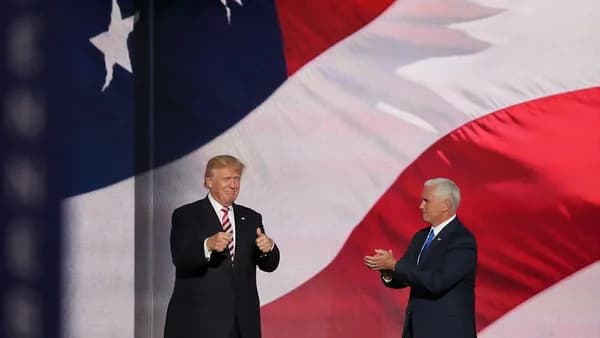
The ceasefire announcement has generated a flurry of political reactions both within the region and internationally. Former U.S. President Donald Trump, commenting on the unfolding events, predicted that leaders from Israel and Lebanon would speak “tomorrow,” a statement quickly dismissed by Beirut as premature and inaccurate [Source: Source]. Lebanese officials clarified that while indirect communication and mediation efforts were ongoing, formal talks were not imminent.
The response from Lebanese leadership highlights a broader skepticism regarding diplomatic overtures, especially amid fears of renewed confrontation with Hezbollah. The militant group, which wields significant influence in Lebanon’s political and security spheres, has signaled its intention to monitor the ceasefire closely, warning of retaliation should Israeli forces violate the agreement [Source: Source].
International actors, including the United Nations, the European Union, and the United States, have welcomed the ceasefire as a necessary step toward de-escalation. However, they continue to urge both sides to address core disputes—including territorial claims and the disarmament of non-state actors—to ensure future stability. The Wall Street Journal and other outlets have reported on the potential risks, noting that the push for peace could inadvertently trigger new tensions with Hezbollah if not managed carefully [Source: Source].
Overall, the diplomatic landscape remains fluid, with the ceasefire serving as both a milestone and a test for ongoing peace efforts. Whether the agreement can pave the way for longer-term dialogue or merely pause the violence remains to be seen.
Potential Challenges and Future Outlook
Maintaining the ceasefire will require overcoming a series of formidable challenges. The presence of Hezbollah and other militant groups, whose agendas often diverge from state actors, poses a constant risk of escalation. Any perceived provocation—whether intentional or accidental—could unravel the fragile truce and reignite hostilities [Source: Source].
Regional dynamics further complicate the outlook. Iran’s continued gridlock in the Strait of Hormuz, coupled with its support for proxy groups in Lebanon and beyond, adds layers of unpredictability. Analysts caution that the ceasefire, while valuable, may be vulnerable to sabotage by actors seeking to advance their own strategic interests.
Prospects for a longer-term peace remain uncertain. Both Israeli and Lebanese officials acknowledge the need for addressing foundational issues, including border demarcations and the influence of external powers. Diplomatic engagement and robust monitoring will be essential to prevent violations and build confidence. The next few days will be critical in determining whether the ceasefire can serve as a platform for sustained negotiations or simply offer a brief respite from violence [Source: Source].
Conclusion: Ceasefire as a Critical but Fragile Step
The Israel-Lebanon ceasefire represents a pivotal moment in the ongoing conflict, offering a respite from violence and an opportunity for humanitarian relief. However, the broader regional tensions—most notably Iran’s actions in the Strait of Hormuz—cast a shadow over prospects for lasting peace [Source: Source]. The interconnected nature of Middle Eastern conflicts means that progress in one area can be swiftly undermined by developments elsewhere.
As the ceasefire enters its initial phase, sustained diplomatic engagement and vigilant monitoring will be crucial to its success. The coming days may reveal whether this agreement can withstand the pressures of regional volatility or if new challenges will emerge. For now, the ceasefire stands as a critical but fragile step toward de-escalation, with the world watching closely for signs of either renewed conflict or genuine progress.