Israel’s Alleged Expansion into Gaza Raises Questions Post-Ceasefire
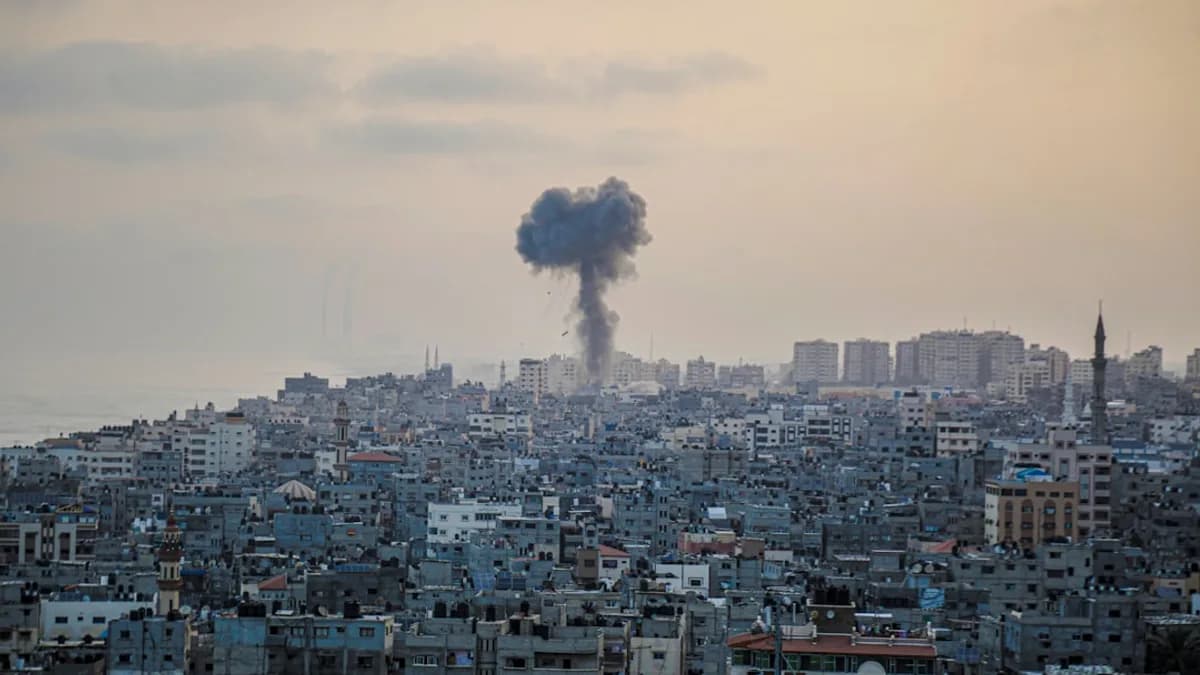
Fresh evidence suggests Israel may be expanding its military footprint in Gaza, despite a ceasefire still technically in effect. Ray Adams Row Farr of Forensic Architecture, a research group known for its digital investigations into conflict zones, told Al Jazeera that satellite imagery and open-source data point to new Israeli positions and fortifications cropping up inside the enclave.
According to Forensic Architecture’s review, the alleged activities ramped up in the weeks after the ceasefire was declared. The interview highlighted fresh berms, watchtowers, and temporary bases in central and southern Gaza—areas previously considered less militarized. The group’s data lines up with local reports of new Israeli presence near Khan Younis and the outskirts of Rafah, both vital corridors for civilian movement and humanitarian aid.
The timeline is striking: while the ceasefire went into effect last month, construction and movement on the ground appear to have accelerated rather than slowed. This is fueling speculation about whether the ceasefire is simply a pause in hostilities, rather than a true halt in territorial change.
Implications of Continued Israeli Activity on Gaza’s Stability and Ceasefire Integrity
Any expansion of Israeli control inside Gaza shreds the already fragile trust underpinning the ceasefire. Local officials and NGOs warn that even small changes on the ground can disrupt aid deliveries, trap civilians, and spark renewed violence. The Rafah corridor, for instance, is a lifeline for medical evacuations and food shipments—Israeli activity here could throttle essential supplies to over 200,000 people still displaced by the conflict.
Forensic Architecture’s documentation has become a touchstone for human rights groups seeking to verify events in a media blackout. By combining satellite imagery, eyewitness video, and geolocation, the group can map shifts in military activity even when press access is blocked. Their findings are already cited in UN reports and by NGOs pressing for international scrutiny.
International reaction has been swift but fractured. EU diplomats called for “full Israeli withdrawal to pre-ceasefire lines,” while the US State Department urged “restraint on all sides” without pinning blame. Human Rights Watch and Amnesty International are demanding independent inspections of the affected zones, arguing that piecemeal expansion—if left unchecked—could amount to de facto annexation. That claim echoes past conflicts, where Israeli outposts established during “pauses” later became permanent.
The stakes for Gaza’s civilian population are immediate. With over 1.2 million people still reliant on outside aid, any restriction in key areas risks fueling a humanitarian crisis. There’s also a political dimension: Palestinian leaders say the moves undermine negotiations and embolden hardliners on both sides.
What to Watch Next: Monitoring Israel-Gaza Dynamics and International Responses
Eyes now turn to how Israel and Palestinian factions respond as evidence of expansion mounts. Military analysts warn that new Israeli positions could provoke rocket fire or sabotage raids from Gaza-based groups, reigniting conflict even under nominal ceasefire conditions. The Israeli government has so far denied any intent to alter borders, but domestic pressure from security hawks could force more aggressive moves on the ground.
Diplomatic fallout is likely to intensify. The UN Security Council may push for emergency inspections or peacekeeper deployments if expansion continues, especially if major humanitarian corridors are threatened. Regional actors—Egypt, Qatar, Turkey—are already signaling concern, with Cairo reportedly offering to broker a technical working group to monitor compliance.
Forensic and investigative teams will play a critical role in documenting what’s actually happening. Expect more granular satellite analysis, new witness interviews, and, potentially, the introduction of AI-powered tracking to map military changes in real time. Their reports will shape not just legal arguments but also the political narrative heading into the next round of talks.
Long-term, the credibility of Israel-Gaza ceasefires hangs in the balance. If expansion during “pauses” becomes the norm, future agreements could collapse before they start—raising the risk of a protracted conflict with even higher costs for civilians and regional stability. Investors, aid organizations, and policymakers should be bracing for a volatile summer as both sides test the limits of the current ceasefire.
Impact Analysis
- Israeli expansion in Gaza during a ceasefire could undermine trust and jeopardize future peace efforts.
- Increased military presence near key corridors threatens humanitarian aid delivery and civilian movement.
- Verified evidence of activity challenges the integrity of the ceasefire and raises concerns about renewed violence.