Iran’s Call for an End to War and Sanctions Could Jolt Global Oil and Crypto Markets
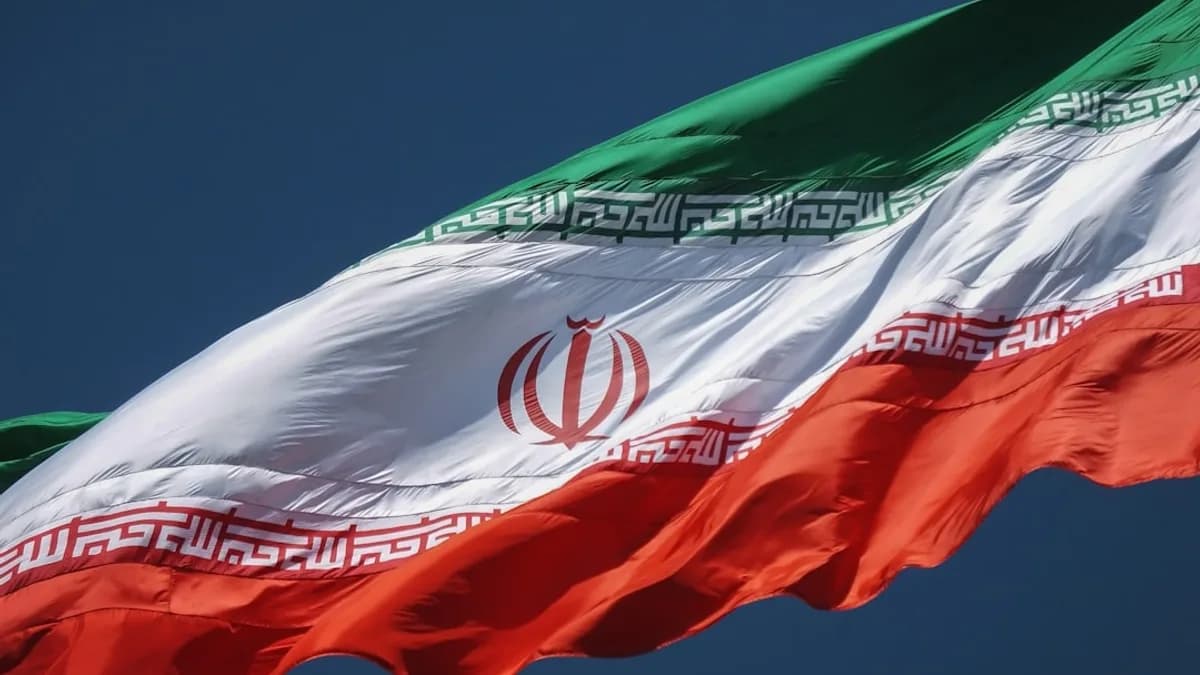
Iran’s offer to end conflict and seek sanctions relief isn’t just diplomatic posturing—it’s a signal that could rattle the world’s oil and crypto markets if negotiations gain traction. According to CryptoBriefing, Tehran’s proposal has the potential to reshape capital flows, alter geopolitical risk calculations, and trigger economic aftershocks that reach far beyond the Middle East.
The logic is clear: removing sanctions would allow Iran to reconnect with global trade, with oil exports at the center of the story. For energy markets, this means the prospect of increased supply, possible price shifts, and recalibrated risk premiums. The effects would ripple into financial assets, commodities, and even digital currencies, as investors react to a new geopolitical baseline.
What We Know: The Proposal and Its Immediate Stakes
The facts are simple but consequential: Iran has put forward a plan that, if accepted, would end hostilities and see international sanctions lifted. The source does not specify which war or conflict is at issue, nor does it elaborate on the proposal’s terms or current diplomatic momentum.
What’s unambiguous is the market sensitivity to any credible signal of de-escalation involving Iran. The country’s energy exports remain heavily restricted under ongoing sanctions. Lifting those barriers would invite significant shifts in trade flows and capital allocation, especially in oil-dependent sectors. This comes amid heightened tensions as seen in Iran Threatens Strait of Hormuz Blockade, Sparking Oil Crisis.
Why It Matters: Economic and Market Implications
The prospect of sanctions relief introduces a wildcard for oil prices and energy market stability. As a major oil producer, Iran’s potential return to full export capacity could tilt global supply-demand balances, forcing traders and policymakers to reprice risk. Even the anticipation of such a move historically injects volatility into energy futures and related equities.
Crypto markets aren’t immune. Sanctions have indirectly shaped crypto adoption and transaction flows in Iran—removal could change the calculus for local and international actors. Investors will be watching for signals that capital controls might ease, possibly influencing demand for digital assets as sanctions-avoiding instruments. This dynamic recalls trends observed in U.S. Hiring Slows, Sparking Bitcoin’s Safe Haven Surge, where geopolitical and economic factors influenced crypto behavior.
What Remains Unclear: Data, Timelines, and Stakeholder Positions
There’s no hard data in the source about current Iranian oil output, the scale of potential export increases, or the specific economic models that could forecast likely outcomes. The details of the proposal—its reception by major powers like the US, EU, or regional players—are not addressed. Market reactions, both immediate and over the medium term, remain speculative without further information. The ongoing diplomatic complexity echoes themes from Iran Delays Reply as Nuclear and Strait Stakes Soar.
The crypto angle is especially opaque. While the sector is sensitive to geopolitical shocks and shifts in capital controls, the source stops short of quantifying potential changes in crypto flows or adoption tied to Iran’s sanctions status.
What to Watch: Early Signals and Decision Points
The most important signpost will be whether Iran’s proposal gains real traction in diplomatic channels. Signals to monitor include official statements from the US, EU, and OPEC members, as well as any leaks about negotiation progress. On the market side, watch for unusual moves in energy futures, emerging market bonds, and crypto trading volumes.
If talks advance, expect market participants to price in not just immediate supply shifts but also longer-term recalibrations of geopolitical risk. For the crypto sector, any policy changes affecting capital mobility out of Iran or its trading partners could become a catalyst for volatility.
MLXIO Analysis: High Stakes, Thin Visibility
The headline is simple; the implications are vast but uncertain. Iran’s proposal floats the possibility of a reset with major economic and geopolitical ramifications. But with scant details and no hard data, much remains in the realm of scenario planning rather than actionable intelligence. For now, investors and policymakers are left watching for the next signal—one that could either reinforce the status quo or set off a chain reaction across oil, equity, and digital asset markets.
Impact Analysis
- Iran’s proposal could increase global oil supply, impacting prices and market stability.
- Lifting sanctions may reshape capital flows and geopolitical risk across energy and financial sectors.
- The move has the potential to trigger volatility in oil and crypto markets as investors respond to changing conditions.