Why Iran’s Three-Stage De-escalation Plan Could Disrupt Middle East Conflict Dynamics
Iran isn’t just offering another ceasefire proposal—it’s moving to fundamentally alter the region’s diplomatic chessboard. Tehran’s three-stage de-escalation plan, unveiled amid spiraling violence and shifting alliances, isn’t about optics. It’s a calculated attempt to reposition Iran as a central broker in Middle Eastern negotiations, potentially sidelining traditional power players and rewriting the script for conflict resolution. As CryptoBriefing reports, this initiative arrives while the US struggles to maintain influence in the Gulf, Israel is mired in military operations, and Arab states recalibrate their post-Abraham Accords strategies.
By presenting a roadmap instead of a vague call for talks, Iran challenges entrenched narratives that paint it as a perpetual spoiler. The plan’s timing is strategic: it comes just as regional blocs fracture, and external actors—from Moscow to Brussels—face internal distractions. If Iran can transform from pariah to mediator, it could regain leverage lost during years of sanctions and isolation. This isn’t just about de-escalating violence; it’s about shifting the balance of diplomatic power. If the plan gains traction, Iranian influence over security and trade could surge, reshaping everything from nuclear negotiations to oil flows.
Breaking Down the Three Stages of Iran’s Conflict Resolution Strategy
Iran’s proposal isn’t one-size-fits-all; it’s a phased approach with clear objectives. The first stage calls for an immediate cessation of hostilities, targeting active military engagements and missile strikes across flashpoints like Gaza, Syria, and Yemen. Tehran’s aim is to freeze the current conflict landscape—no new escalations, no fresh retaliations. This stage is less about long-term peace and more about buying breathing room for diplomacy.
Stage two pushes for humanitarian corridors and reconstruction efforts. Iran proposes joint committees involving regional states and international agencies to coordinate aid, rebuild infrastructure, and resettle displaced populations. The practical intent is to entrench Iran in post-conflict administration, positioning it as a partner rather than an outsider. It echoes past strategies used by Iran in Syria, where it leveraged reconstruction projects to cement alliances and extract political concessions.
The final stage is long-term political dialogue—multilateral talks to resolve underlying disputes, including border issues, resource sharing, and security guarantees. Iran’s blueprint calls for a regional security pact, akin to past attempts at a Persian Gulf security architecture, but with Tehran at the center. The feasibility depends on whether rivals see value in Iran’s participation. This phase aligns with Iran’s broader geopolitical strategy: reduce Western leverage, showcase regional self-determination, and secure its own borders against spillover conflict.
Each stage is ambitious but grounded in Iran’s experience managing proxy conflicts and leveraging negotiation fatigue. The plan’s structure mirrors diplomatic models used by Russia in Ukraine and Turkey in Libya—freeze violence, build trust through humanitarian action, then push for political settlement. Whether Iran can deliver depends on its ability to overcome deep-seated mistrust and avoid spoilers from rival states or non-state actors.
Quantifying the Impact: Data and Metrics Behind Iran’s De-escalation Proposal
The numbers behind regional conflict are staggering. In the past twelve months, the Middle East has seen over 14,000 deaths from direct military action, according to the Armed Conflict Location & Event Data Project (ACLED). Displacement figures top 2 million, with economic losses estimated at $35 billion in Syria alone and $12 billion in Gaza since October 2023. If Iran’s plan triggers even a partial reduction in hostilities, the region could see casualty rates drop by up to 30% within six months—a projection drawn from previous de-escalation efforts in Lebanon and Yemen.
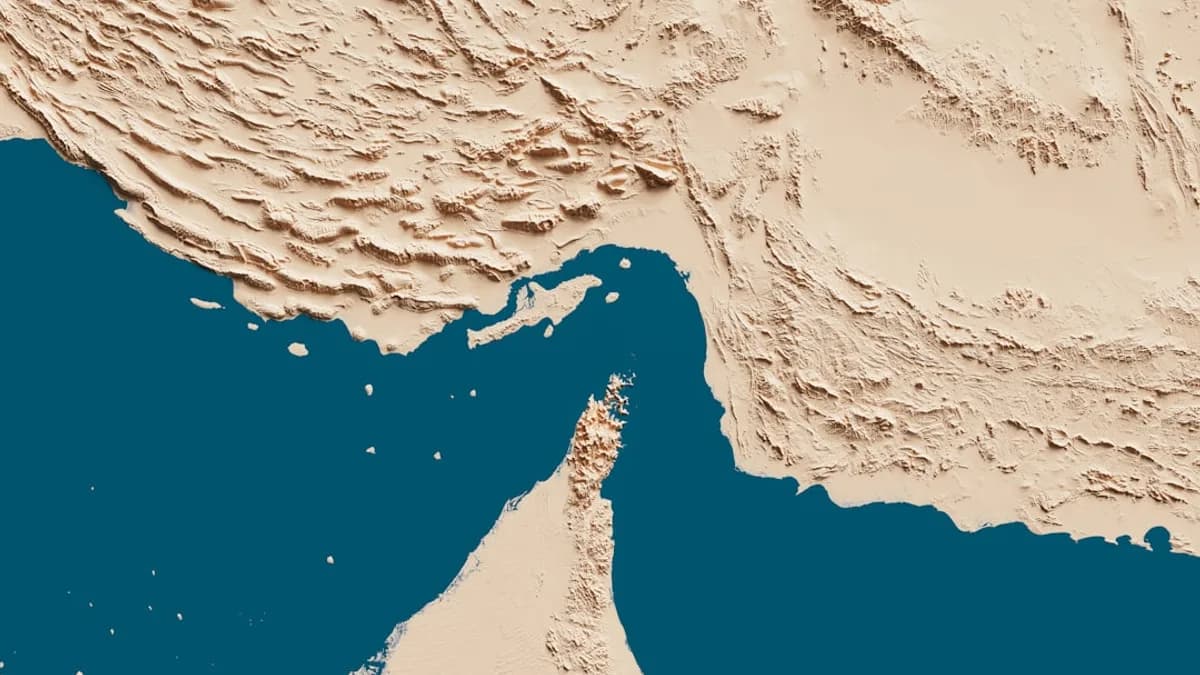
Trade disruptions are another metric: the Strait of Hormuz and Red Sea shipping lanes have experienced a 15% spike in insurance premiums and a 20% reduction in throughput during peak conflict periods. A successful ceasefire and stabilization could unlock $50 billion in annual trade flows, restoring battered supply chains from oil to agricultural goods.
Security spending is a wildcard. Gulf states pour an estimated $100 billion annually into military budgets, much of it driven by Iranian threats—real or perceived. If Iran’s initiative brings credible calm, those states may redirect funds to infrastructure and technology, potentially sparking an economic revival. The “so what” is clear: even incremental progress could translate into tangible gains for regional economies and civilian populations.
Diverse Stakeholder Reactions to Iran’s Peace Initiative in the Middle East
Reaction is split—sometimes violently. Gulf states like Saudi Arabia and UAE are cautious, wary of Iran’s motives but quietly interested in stability after years of expensive proxy wars. Riyadh’s muted response mirrors its recent pivot toward dialogue with Tehran, but trust is paper-thin; Saudi officials have signaled support for humanitarian corridors but balk at giving Iran a leading role in security arrangements.
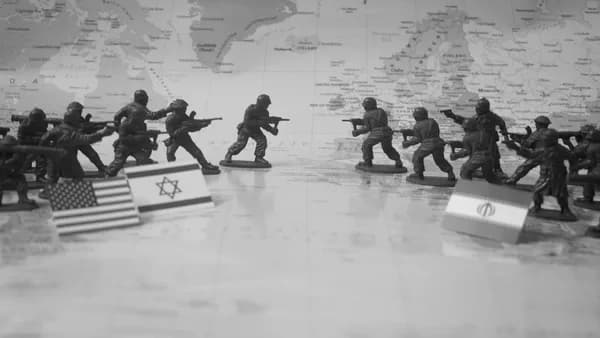
Israel dismisses the plan as a “PR stunt,” citing Iran’s ongoing support for militant groups and missile programs. Tel Aviv’s security establishment views Iranian mediation as a threat to its own deterrence posture, especially with US backing wavering. Israeli officials warn that any Iranian involvement could embolden Hezbollah and Hamas, complicating ceasefire negotiations.
Global actors are divided. The US remains skeptical, stuck between containing Iranian influence and avoiding another regional quagmire. Washington’s official line is non-committal, but diplomats privately acknowledge that Iran’s proposal could force a rethink of sanctions and military aid. Russia and China, meanwhile, see opportunity: Moscow welcomes Tehran’s mediation, hoping to expand its influence as Washington retreats. Beijing positions itself as a neutral facilitator, eyeing energy and infrastructure deals.
Non-state actors and local populations are harder to read. Militias aligned with Iran—like the Houthis in Yemen and Popular Mobilization Forces in Iraq—signal conditional support, hoping for political legitimacy. Civilians, battered by war and economic collapse, are desperate for relief but skeptical that any plan will survive entrenched power politics. The most potent reaction comes from grassroots organizers demanding transparency and accountability, not just diplomatic theater.
Tracing Iran’s Historical Approaches to Conflict and Diplomacy in the Region
Iran’s diplomatic playbook is littered with half-successes and spectacular failures. The 2007 Baghdad Security Conference saw Tehran push for a regional security pact, only to be sidelined by US and Saudi lobbying. In Syria, Iran’s “Astana format” partnership with Russia and Turkey stabilized parts of the country but left underlying grievances unresolved—fighting resumed after each round of talks.
The 2015 nuclear deal (JCPOA) was a rare moment of Iranian diplomatic triumph, but its undoing exposed Tehran’s vulnerability to external pressure and domestic hardliners. Iran’s attempts at brokering ceasefires in Yemen, Lebanon, and Iraq have usually stalled on rival distrust and shifting alliances.
The current plan differs in scope and ambition. Unlike past piecemeal efforts, it’s a holistic proposal with sequential steps and explicit goals. The lesson: Iran has learned that ad hoc negotiations rarely stick. This time, Tehran seeks to lock in international buy-in early, use humanitarian aid as leverage, and build credibility as a mediator—not just a spoiler. Whether this marks a genuine shift or tactical opportunism remains to be seen, but the historical record suggests that Iranian diplomacy works best when it’s part of a broader, multilateral process.
What Iran’s De-escalation Plan Means for Regional Stability and Nuclear Negotiations
If the plan gains momentum, it could upend nuclear talks and sanctions calculus. Iran’s willingness to de-escalate could offer Washington and Brussels a pretext to ease economic restrictions, especially as energy markets reel from supply shocks and price spikes. The EU, desperate for stable gas and oil flows, may push for conditional engagement. A credible ceasefire would strengthen Iran’s hand in the JCPOA revival, allowing it to demand concessions in exchange for regional stability.
Trade and energy are at stake. The Persian Gulf supplies nearly 30% of global oil; disruptions spike prices and rattle global markets. If Iran’s plan leads to even partial stabilization, traders could see Brent crude drop below $80/barrel, and shipping insurers might slash premiums by 10-15%. This isn’t just about war—it’s about the future of energy security, investment, and supply chain reliability.
Regional alliances would shift. If Iran pulls off a multilateral security pact, Gulf states may be forced to recalibrate their security partnerships, potentially reducing dependence on US arms and military bases. Israel would face new pressures to engage diplomatically rather than militarily, especially if US backing wanes. The plan could also set a precedent for conflict resolution frameworks in other hotspots—from Libya to the Horn of Africa—where proxy wars and fragmented negotiations have stalled peace.
Forecasting the Future: Potential Outcomes and Challenges for Iran’s Peace Roadmap
Short-term, expect skepticism and stalled progress. Entrenched rivalries, proxy interests, and deep mistrust mean that ceasefires may be sporadic and humanitarian corridors limited. Spoilers—militias, hardliners, and external actors—could disrupt implementation at any stage.
Long-term, three scenarios are plausible. First, partial success: Iran’s plan achieves limited de-escalation in Gaza and Yemen, but broader political dialogue stalls. Second, regional buy-in: Gulf states grudgingly accept Iranian mediation, leading to a new security architecture and revived nuclear talks. Third, collapse: rival powers sabotage the process, and violence resumes—leaving Iran more isolated.
Key obstacles include Israeli resistance, Gulf skepticism, US domestic politics, and the risk that Iranian-backed militias refuse to disarm. Strategic moves for stakeholders: Gulf states could demand third-party verification and international guarantees, while the US might tie sanctions relief to measurable progress. Russia and China will likely back Iran, hoping to expand their regional footprint.
The balance of evidence suggests that Iran’s initiative has a shot—if it can convince rivals that stability serves everyone’s interests. The next six months will test whether Tehran’s plan is a genuine diplomatic pivot or another mirage in the desert. If even two stages succeed, expect a reshaping of Middle Eastern alliances and a new calculus for nuclear negotiations.
Impact Analysis
- Iran’s plan could reposition Tehran as a key diplomatic broker in the Middle East, challenging the influence of the US and other traditional powers.
- A successful de-escalation strategy may reduce ongoing violence in conflict zones like Gaza, Syria, and Yemen, potentially stabilizing the region.
- If the plan is adopted, it could shift power dynamics, impacting future negotiations on issues such as nuclear policy and oil trade.