Iran Signals Openness to Talks as Tensions Spike in the Strait of Hormuz
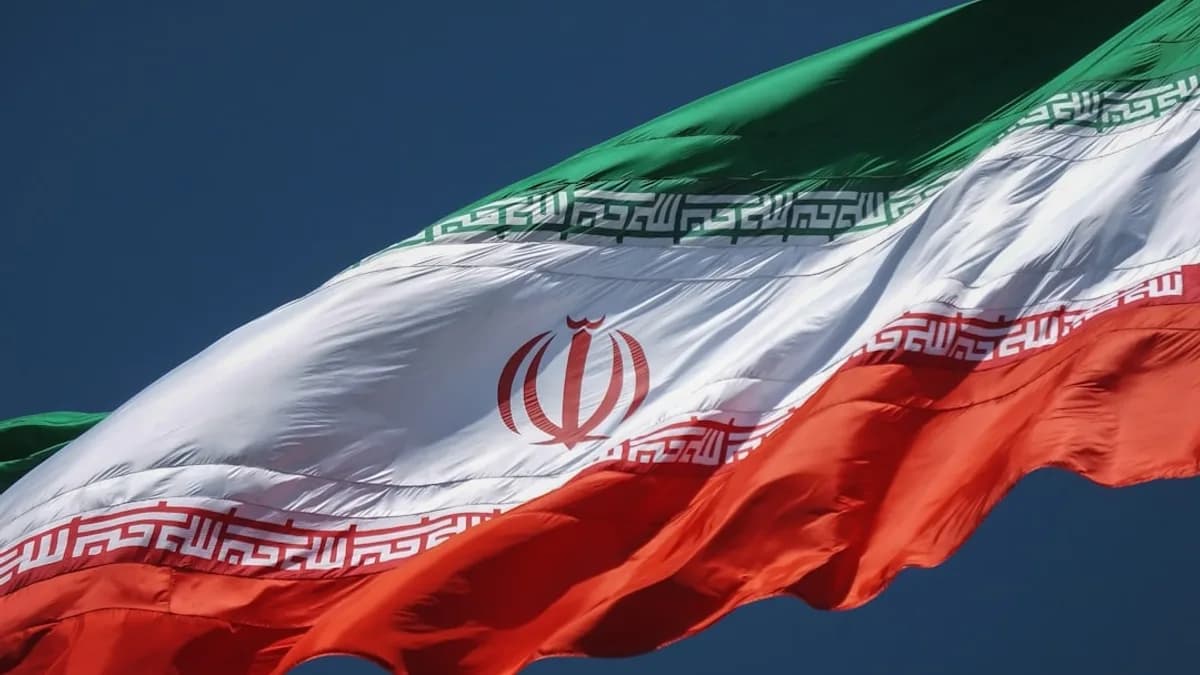
Iran says it is ready to talk just as worries grow in the Strait of Hormuz, a major shipping route for the world’s oil. The Iranian Foreign Ministry, speaking through its spokesperson Nasser Kanaani, said this week that Tehran is open to diplomatic negotiations with the United States and Western powers. This comes after a string of tense incidents in the narrow waterway, where about 20% of global oil moves each day. Some ships were recently seized or attacked, raising fears of a bigger conflict. You can read the full report at CryptoBriefing.
Kanaani said Iran "welcomes dialogue" as long as its interests are respected. He added that Iran wants "security and peace" for everyone in the region. This is a shift from harsher statements earlier this year, when Iran blamed the U.S. for adding to tensions by moving more warships into the Gulf.
The timing matters. The Strait of Hormuz has seen sudden jumps in military activity in the past month, with both the U.S. and Iran running naval drills and warning each other to back off. European countries like France and the UK have also called for calm and offered to mediate. The United Nations urged all sides to avoid "miscalculation." Iran’s new willingness for talks stands out after years of stand-offs that have sometimes led to oil price spikes and shipping disruptions.
Diplomats say this could open the door for new talks like those held in 2015, when a nuclear deal was reached. That deal fell apart in 2018, and since then, communication has mostly happened through back channels or with threats. Now, with the danger of a bigger clash, both sides seem to be at least talking about talking.
Trump Praises US Laser Defense as Navy Bolsters Gulf Security
Former President Donald Trump took to social media to praise the U.S. Navy’s use of new laser defense systems to guard ships in the Gulf region. The U.S. has started testing and using these high-tech weapons, which can shoot down drones or small boats with precise beams of light. The Navy says these systems help stop threats before they reach their targets and can act much faster than older weapons.
Trump called these lasers “a big win for American safety” and said they show that the U.S. won’t let its guard down in the Gulf. While he is no longer president, Trump’s words still carry weight, especially with many in Congress pushing for stronger defense in the region.
The U.S. has placed these laser systems on ships near the Strait of Hormuz, making it harder for hostile drones or speedboats to get close. The Navy says the lasers have worked well in training and in at least one real incident last month, when a drone was brought down before it could cause damage.
Why does this matter? Every time the Strait of Hormuz becomes risky, oil prices can jump, and insurance for shipping can soar. U.S. defense upgrades are meant to send a message: the waterway will stay open, and the world’s oil will keep moving. Experts note that while lasers are not a “silver bullet,” they give the U.S. a clear edge and may make Iran think twice before taking risky actions. This comes as Iran has shown it can use cheap drones and small boats to harass much more expensive warships, so the new tech is a direct answer to that threat.
Signs of Easing Tensions Could Steady Middle East Economies
Iran’s offer to talk, plus stronger U.S. defenses, could cool down a hot spot that has worried oil markets for years. When the Strait of Hormuz is safe, the whole world breathes easier because oil can flow without major delays or price shocks. If both sides stick to words instead of weapons, traders may stop betting on higher prices, and businesses could save millions on shipping and insurance.
Diplomats say there’s a real chance that talks could start soon, maybe even before the end of summer. If Iran and the U.S. sit down, other countries like China and Russia will likely want a say, since they buy a lot of oil in the region. The European Union could also play a role, since it helped broker the last big Iran deal. For now, the United Nations is urging all sides to use “maximum restraint” and keep talking.
If things calm down, experts expect oil prices to drop or at least stay steady. That would help countries like India and Japan, which buy most of their oil from the Gulf. Even small changes matter: when a tanker was attacked in 2019, oil prices jumped 5% in one day and took weeks to settle down. If new talks work out, the whole region could see more jobs, more trade, and less risk of sudden shocks.
But nothing is certain yet. Hardliners in both Iran and the U.S. could still try to block talks, and old rivalries run deep. Still, this is the first real sign in years that both sides are stepping back from the edge.
What to Watch Next: Will Words Turn Into Action?
The world will be watching to see if Iran’s offer leads to real talks, or if it’s just talk. The U.S. Navy will keep its new defenses on high alert, and oil traders will watch for any sign of trouble or progress. If even small steps toward peace happen, oil prices could drop and shipping could get cheaper, helping economies everywhere.
For now, the Strait of Hormuz remains a pressure point, but with both sides signaling a wish to avoid war, there’s at least a chance for calm. Keep an eye on what diplomats say in the next few weeks — and what happens on the water. The balance of peace and risk in the Gulf has rarely felt so delicate, or so important, for the whole world.
Why It Matters
- Stability in the Strait of Hormuz affects global oil supply and prices.
- Iran's willingness to negotiate could reduce the risk of military conflict in a critical region.
- US advancements in defensive technology highlight ongoing security concerns and military readiness.