Iran’s Proposal Signals a Potential Turning Point in Middle East Tensions
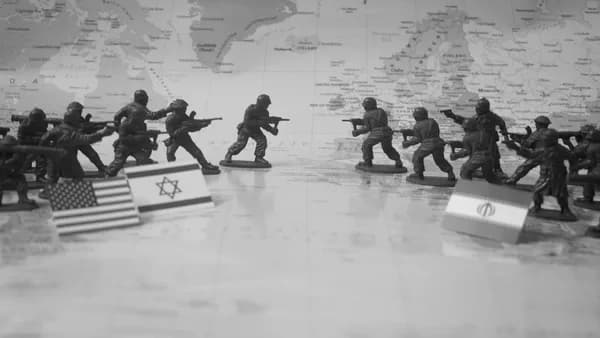
Iran just lobbed the first ball toward de-escalation. Proposing direct talks on the Strait of Hormuz, Tehran is not only offering to end the current standoff with Washington—it’s challenging the long-standing script of endless antagonism that’s defined US-Iran relations for decades. This is not just another round of saber-rattling or back-channel rumor; Iran’s leadership has officially opened the door to negotiating one of the world’s most sensitive maritime choke points, according to CryptoBriefing.
The Strait of Hormuz carries about 20% of global oil trade—roughly 21 million barrels a day flow through its narrow waters. When Iran talks about peace here, it’s not a regional footnote; it’s a move with global consequences. For years, Wall Street, Brussels, and Beijing have priced Iranian unpredictability into everything from crude futures to shipping insurance. If Iran is genuinely reaching for the diplomatic playbook, the world should pay attention. This isn’t just a regional thaw; it’s a direct challenge to the inertia of hostility that’s cost both sides trillions in lost trade, wasted military expenditures, and missed opportunities for regional development.
How Iran’s Overture Could Stabilize Global Oil Markets and Regional Security
The Strait of Hormuz is the fulcrum where energy security and geopolitics collide. Every time Iranian and US warships shadowbox in these waters, crude prices jitter and shipping insurance rates soar. The market knows the numbers: a single day of closure or serious disruption could spike oil by $10-15 a barrel and erase billions from the global economy. In 2019, when tankers were attacked nearby, Brent crude jumped over 4% in a single session and Lloyd’s of London hiked insurance premiums by as much as 10-fold.
Iran’s proposal to discuss the strait’s security could, if taken seriously, remove the single biggest geopolitical premium baked into oil prices. That’s not just a win for OPEC or the US shale patch—it’s relief for every country dependent on imported energy, from Japan to India. Lower volatility means cargoes reach Rotterdam and Shanghai on time, inflationary shocks are blunted, and central banks breathe easier.
But the upside goes beyond prices. A diplomatic opening reduces incentives for asymmetric attacks on tankers, cyber sabotage, and missile launches from Iranian proxies. If Gulf states see Iran at the negotiating table instead of at the brink, it becomes harder for hardliners on all sides to justify escalation. This is how a single diplomatic move can ripple outwards—shrinking the risk of war, piracy, and supply chain chaos across an entire region.
US-Iran Relations: Why Diplomatic Engagement Is the Only Viable Path Forward
Forty years of confrontation have yielded little but economic pain and strategic gridlock. US sanctions have throttled Iran’s oil exports—down from 2.5 million barrels per day in 2017 to less than 800,000 at the worst of the Trump-era embargoes. Iran has responded with uranium enrichment, proxy wars, and missile tests, costing Washington billions in military deployments and stoking instability from Iraq to Yemen. This tit-for-tat posture has only strengthened hardliners on both sides while leaving moderates without leverage.
Diplomacy is not naïve optimism; it’s a recognition of mutual exhaustion and shifting power balances. The 2015 nuclear deal (JCPOA) proved that negotiation is possible—and that when it happens, Iranian oil returns to market, inflation in Tehran moderates, and regional risk premiums shrink. The cost of missed opportunities is real: since the US withdrawal from the JCPOA, Iran’s GDP shrank by 6% in 2018 and another 7% in 2019, while the US spent an estimated $1.5 trillion on military operations in the Middle East since 2001.
Geopolitical winds are shifting. China and Russia are openly courting Tehran. Saudi Arabia is cautiously thawing ties. The US faces domestic fatigue with foreign interventions and a Congress allergic to open-ended conflict. The current moment, with both sides bruised but not broken, is arguably the best window in years for dialogue—not because trust is high, but because the alternatives are played out and unsustainable.
Acknowledging Skepticism: The Challenges and Risks of Iran’s Peace Proposal
Skeptics will argue Iran’s proposal is a PR maneuver—an attempt to buy time or split the US from its allies. There’s precedent for suspicion: Iran’s nuclear advances continued even during past talks, and Washington’s own credibility took a hit when it abandoned the JCPOA after signature. Decades of clandestine operations, proxy conflicts, and broken promises have left both sides with deep institutional distrust.
Trust-building will require more than photo ops. Verification, phased sanctions relief, and multilateral monitoring will be non-negotiable. Both sides will need to deliver concrete, early wins—a deconfliction hotline, safe shipping corridors, prisoner exchanges—before any grand bargain is possible.
If talks collapse, the world reverts to the status quo: periodic escalations, oil market spasms, and the constant risk of a miscalculation spiraling into war. The stakes are not theoretical. A failed negotiation could embolden hardliners, trigger new sanctions, and push Iran closer to China and Russia. The costs of failure will be paid in lost growth, higher energy prices, and fresh insecurity from the Gulf to the Mediterranean.
Why the Global Community Must Support Dialogue to Secure Peace and Economic Stability
Washington and Tehran can’t do this alone. The EU, Gulf states, and Asian energy importers have every reason to back direct talks and offer technical, economic, and diplomatic support. Multilateral engagement is the only way to guarantee compliance, transparency, and enforcement. When global stakeholders set clear incentives for peace—and clear penalties for backsliding—the odds of success rise.
The choice for the US, Iran, and the world is stark: double down on confrontation and keep paying the price, or seize this diplomatic opening and build a more stable, prosperous region. For investors, policymakers, and ordinary citizens, the calculus is simple: dialogue buys security, stability, and a shot at shared prosperity. The era of endless hostility is a choice, not a fate. It’s time to choose differently.
Impact Analysis
- Iran’s offer to negotiate could reduce the risk of conflict and stabilize global energy markets.
- The Strait of Hormuz is critical to the world’s oil supply, so any move toward peace affects prices and trade.
- De-escalation could save billions in military costs and open opportunities for regional development.