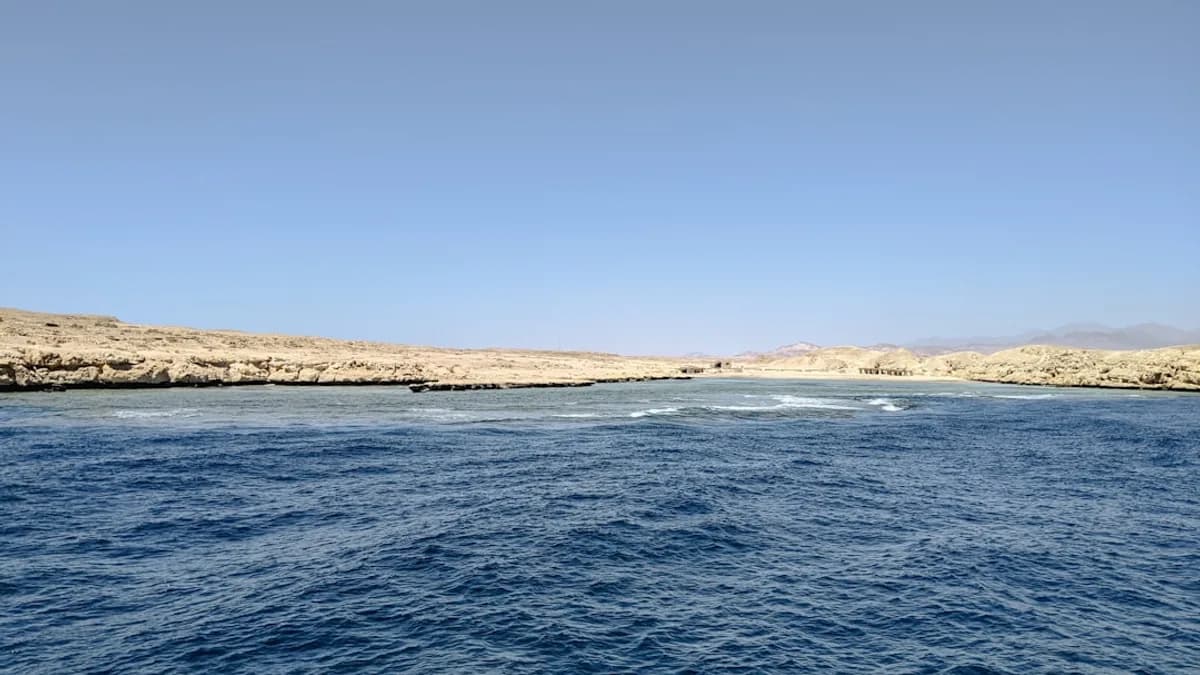
Introduction: Escalating Tensions in the Strait of Hormuz
The Strait of Hormuz, a narrow waterway connecting the Persian Gulf to the Arabian Sea, has once again become a flashpoint for geopolitical tensions. Iranian forces reportedly fired upon several ships traversing the strait, including two Indian merchant vessels, as Tehran reinstated strict controls over maritime traffic [Source: Source]. The strait is critical for global commerce, serving as a conduit for nearly a fifth of the world’s oil supply and substantial volumes of goods. Iran’s renewed restrictions come amid heightened regional volatility, prompting swift international reactions and raising concerns about the safety of shipping routes. Governments and industry stakeholders are closely monitoring the evolving situation, which could have far-reaching consequences for global trade and security.
Details of the Attacks on Ships in the Strait of Hormuz
Reports indicate that Iranian naval units fired on two Indian merchant ships while they attempted to transit the Strait of Hormuz, the latest in a series of confrontations involving commercial vessels [Source: Source]. Eyewitness accounts and shipping sources, including statements relayed to Reuters, described incidents of gunfire directed at merchant vessels as they navigated the waterway. The targeted ships were reportedly carrying a mix of oil and general cargo, with initial assessments suggesting minimal physical damage but significant disruption to crew operations.
The timeline of the attacks reveals a coordinated effort by Iranian forces to assert control over the strait. The first incident occurred early in the morning, with Iranian patrol boats approaching the Indian vessels and firing warning shots. Later, similar encounters were reported by other ships from various nationalities attempting transit, leading to alarm among international shipping companies [Source: Source]. While no casualties have been confirmed, the psychological impact on crews and the immediate operational delays have been considerable.
Iran’s military actions appear to be part of a broader strategy, with increased naval and air patrols observed in the region. Shipping lanes have seen heightened surveillance, and some vessels have reported being instructed to reroute or halt until further notice. The escalation has raised fears of potential physical damage or loss of life, as tensions in the area show no sign of abating.
Iran’s Reassertion of Control and Imposed Restrictions
Following the attacks, Tehran formally declared strict control over the Strait of Hormuz, imposing new restrictions on maritime traffic [Source: Source]. The Iranian government announced that all vessels passing through the strait must now comply with enhanced inspection protocols and routing requirements, effectively tightening its grip on one of the world’s busiest shipping corridors. These measures include mandatory reporting of cargo details, crew lists, and itineraries before transit, with Iranian authorities reserving the right to halt or board any vessel deemed suspicious.
Iran’s stated rationale centers on national security and protecting its territorial waters in the face of perceived external threats. Officials emphasized the importance of preventing “unregulated foreign presence,” citing recent security incidents and military build-ups by outside powers as justification [Source: Source]. The new restrictions are designed to deter what Iran describes as “provocative actions” by adversaries and to demonstrate its ability to control the strategic chokepoint.
The impact on commercial shipping has been immediate. Several companies have rerouted vessels or delayed departures, citing uncertainty and risks associated with transit. Regional security analysts warn that Iran’s actions could destabilize the broader Gulf region, disrupt supply chains, and force insurers to reassess coverage terms for vessels operating near Iranian waters. The move reflects Tehran’s willingness to leverage its geographic advantage in pursuit of political and strategic objectives.
International and Regional Responses
The attacks and new restrictions have elicited swift and varied responses from the international community. The Indian government publicly condemned the firing on its merchant ships, demanding assurances of crew safety and calling for diplomatic intervention [Source: Source]. Other affected nations have issued advisories to their shipping industries, urging caution and coordination with naval escorts where available.
The United States, a key stakeholder in Gulf security, responded by convening an emergency Situation Room meeting reportedly led by President Trump [Source: Source]. American officials have reiterated the importance of maintaining open and secure shipping lanes and warned Iran against further escalation. The U.S. Navy has increased its patrols in the region and is reportedly coordinating with allies to assess the risk of broader conflict.
Global powers, including the European Union and the United Kingdom, have also weighed in, calling for restraint and dialogue. Some have proposed multilateral talks to de-escalate tensions and ensure maritime security. The heightened threat has strained diplomatic relations, particularly between Iran and Western countries, and raised the prospect of retaliatory measures or expanded sanctions.
The regional impact is equally significant, with Gulf states expressing concern about the stability of oil exports and maritime commerce. Shipping companies are adjusting their operations, and insurance providers are reviewing risk premiums for vessels transiting the area. The situation remains fluid, with the potential for further escalation if diplomatic efforts falter.
Broader Implications for Global Trade and Security
The Strait of Hormuz is vital to the global economy, facilitating the transit of nearly 20% of the world’s oil and substantial volumes of liquefied natural gas and manufactured goods [Source: Source]. Any prolonged instability threatens to disrupt supply chains, drive up energy prices, and increase shipping costs worldwide. The recent attacks and restrictions have already led to increased insurance premiums for vessels operating in the region, as insurers factor in heightened risks of conflict and loss.
International markets are reacting to the uncertainty, with oil futures experiencing volatility amid concerns about potential supply disruptions. Maritime navigation has become more perilous, as shipowners weigh the risks of transit against operational demands. Analysts warn that a sustained crisis in the strait could have cascading effects, from energy shortages to inflationary pressures in consumer markets.
Possible scenarios for conflict escalation include direct confrontations between Iranian forces and foreign naval units, accidental engagements, or further attacks on commercial vessels. Conversely, diplomatic resolution remains an option, with talks aimed at establishing safe passage protocols and reducing military posturing. The outcome will depend on the willingness of regional and global actors to engage in constructive dialogue and prioritize stability over confrontation.
Conclusion: Monitoring a Volatile Situation
The latest developments in the Strait of Hormuz underscore the fragility of global maritime security and the stakes involved in maintaining open shipping routes [Source: Source]. Iran’s actions, including firing on ships and imposing new restrictions, have heightened tensions and prompted swift international responses. As governments, shipping companies, and insurers adapt to the evolving crisis, continued vigilance and diplomatic efforts are essential to prevent further escalation.
Looking ahead, the situation remains unpredictable, with the possibility of new incidents or shifts in policy. The global community must stay alert, support diplomatic initiatives, and prioritize the safety of commercial navigation. MLXIO will continue to monitor updates and provide analysis as events unfold, ensuring readers remain informed about the implications for security and trade in the Strait of Hormuz.