


Introduction: Context and Recent Developments
Recent days have seen a surge in attention to U.S.-Iran relations, driven by statements from former President Donald Trump asserting that Iran has agreed to new terms on its nuclear program and related security issues. Trump claims that Iran has agreed to suspend its nuclear activities and remove enriched uranium, suggesting a breakthrough in negotiations. However, Iran has issued official statements firmly disputing these claims, emphasizing that no new agreements have been reached and specifically denying any intention to transfer enriched uranium to the United States [Source: Source].
The Strait of Hormuz, a critical maritime chokepoint through which a significant portion of the world’s oil supply is shipped, features prominently in these discussions. Iran's signaling about the strait’s possible closure amplifies the geopolitical stakes. This analysis aims to dissect the conflicting narratives, evaluate their credibility, and explore the wider implications for regional stability and global economic interests.
Trump's Claims on Iran Agreements and Nuclear Program
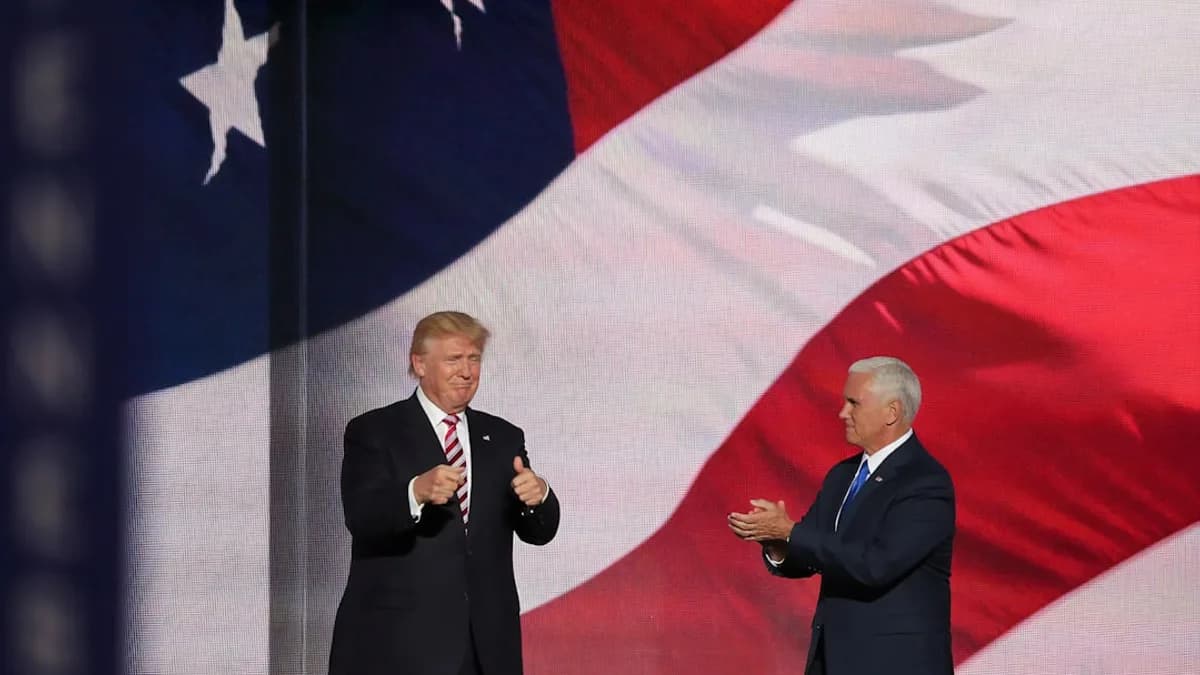
Former President Trump has made headlines by declaring that Iran has "agreed to everything," including the removal of enriched uranium from its territory. He further asserted that Iran will suspend its nuclear program and has agreed to reopen the Strait of Hormuz, which had been threatened with closure amid rising tensions [Source: Source]. These statements have been widely reported across major media outlets, including CBS News and Bloomberg, which highlighted Trump’s confidence in the existence of a new understanding between Washington and Tehran.
Trump’s claims are framed as evidence of his ability to secure major concessions from Iran, positioning himself as a dealmaker capable of resolving longstanding diplomatic challenges. He has suggested that his approach would ensure greater security for the region, reduce nuclear proliferation risks, and stabilize oil shipments through the Strait of Hormuz [Source: Source]. This rhetoric coincides with his efforts to maintain political relevance and shape U.S. foreign policy discourse, particularly as he seeks to contrast his approach with that of the Biden administration.
The framing of Trump’s statements by media outlets often emphasizes his assertiveness and the potential significance of such agreements. However, questions remain regarding the verifiability of these claims and whether they reflect actual negotiations or are intended primarily for domestic political consumption.
Iran's Rejection and Disputes Over the Agreements
In direct response to Trump’s assertions, Iranian officials have categorically rejected the notion that any new agreements have been reached, particularly those involving the removal of enriched uranium or the suspension of their nuclear program [Source: Source]. Tehran’s spokespersons have clarified that no such commitments were made, and the narrative presented by Trump does not align with their diplomatic or strategic objectives.
Further complicating the situation, Iran has signaled that the Strait of Hormuz, while currently open to tanker traffic, could be closed again if tensions escalate. This threat resonates with historical precedents, as Iran has previously used the strait’s status as leverage in negotiations with Western powers. Maritime security in the Strait of Hormuz has long been a cornerstone of Iran’s regional strategy, serving both economic and political purposes [Source: Source].
Iran’s rejection of the uranium transfer claim is particularly significant. The country’s leadership has consistently maintained that its nuclear program is for peaceful purposes and has resisted external pressure to surrender enriched uranium, viewing such demands as infringements on sovereignty. Past negotiations, including the 2015 Joint Comprehensive Plan of Action (JCPOA), involved complex arrangements for uranium stockpiles and monitoring, but Iran has made clear that unilateral transfers to the U.S. are not on the table [Source: Source].
The implications of Iran’s denial are multi-faceted. Diplomatically, it signals a reluctance to engage in new talks under the terms suggested by Trump, potentially stalling progress on nuclear issues. Regionally, the possibility of the Strait of Hormuz’s reclosure heightens tensions and could disrupt oil markets, impacting global economic stability. Iran’s firm stance also underscores the challenges of achieving lasting agreements in the absence of mutual trust and verifiable commitments.
Geopolitical and Economic Implications of the Conflicting Narratives
The disputed claims regarding U.S.-Iran agreements have immediate and far-reaching implications for global oil markets. The Strait of Hormuz is the world’s most important oil transit chokepoint, with roughly one-fifth of global petroleum passing through it daily. Uncertainty over its status, fueled by conflicting statements from Washington and Tehran, has the potential to cause volatility in oil prices and disrupt international shipping [Source: Source].
For U.S.-Iran relations, the contrasting narratives underline the difficulty of re-establishing diplomatic engagement after years of mistrust and confrontation. Trump’s public declarations may serve to rally domestic support or pressure Iran, but they risk undermining ongoing diplomatic efforts by other actors. Iran’s rejection of the claims suggests that no substantive progress has been made and that the parties remain far apart on key issues, particularly nuclear enrichment and sanctions relief [Source: Source].
Media coverage plays a critical role in shaping public perception of the situation. Outlets such as The Washington Post, CBS News, and the Wall Street Journal have reported both Trump’s claims and Iran’s rebuttals, highlighting the contentious nature of the discourse. The framing of these reports can influence how audiences interpret the likelihood of new agreements and the potential for conflict or cooperation in the region.
Looking ahead, the conflicting narratives may complicate future nuclear negotiations. The perception that one side is making exaggerated claims or misrepresenting the facts could erode trust and make it harder to reach a mutually acceptable deal. Furthermore, threats to close the Strait of Hormuz, even if not immediately acted upon, serve as a reminder of the fragile nature of maritime security in the Persian Gulf. Regional actors, including Saudi Arabia, the UAE, and global powers, will be closely monitoring developments and preparing for possible disruptions.
Conclusion: Assessing the Credibility and Future Outlook
In summary, recent claims by former President Trump about new agreements with Iran are strongly disputed by Iranian officials, who deny any commitments regarding the removal of enriched uranium or suspension of their nuclear program [Source: Source]. The credibility of these claims is questionable, given the lack of corroborating evidence and Iran’s consistent rejection. The situation highlights the importance of cautious interpretation of political statements, especially in volatile contexts where strategic interests and domestic politics intersect.
The future of U.S.-Iran relations and the status of the Strait of Hormuz remain uncertain. Continued monitoring and analysis are essential as the narratives evolve and as both sides maneuver for advantage in diplomatic, economic, and security arenas. The stakes are high—not only for regional stability but for the global economy, making it critical for observers to look beyond headline-grabbing statements and focus on verifiable developments.