Why Iran’s Control Over the Strait of Hormuz Matters to Global Oil Markets
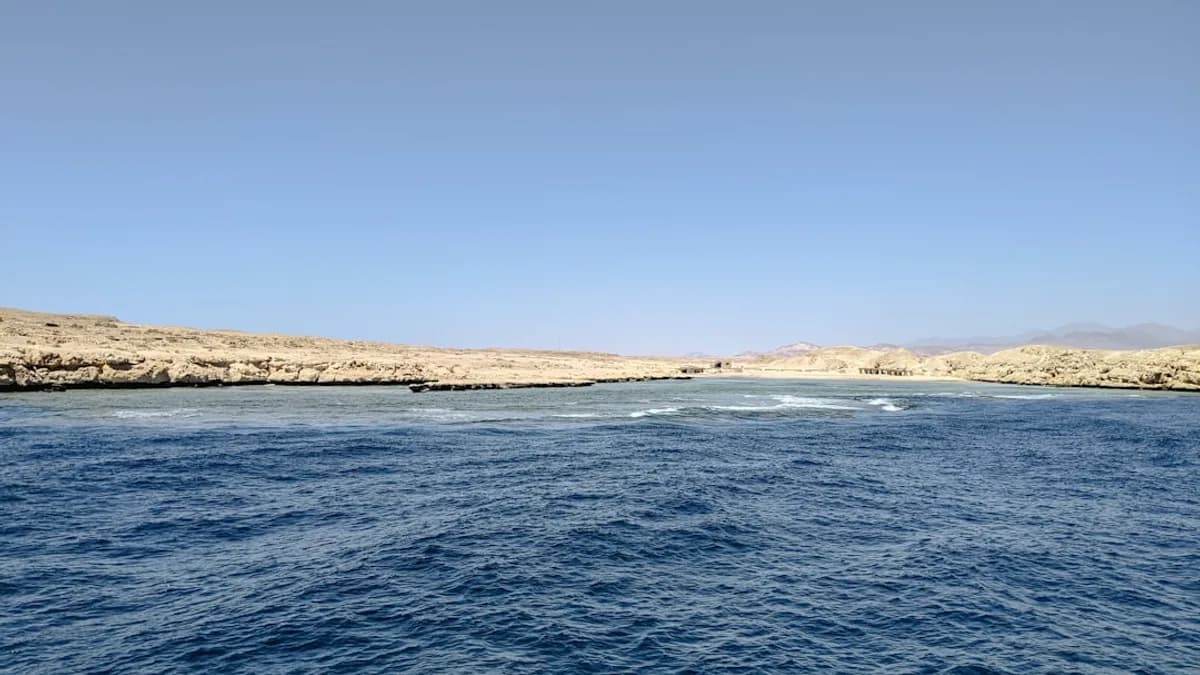
A fifth of the world’s oil moves through one narrow waterway—the Strait of Hormuz. When Iran flexes its muscles here, the whole world feels it. This strip of water, just 21 miles wide at its tightest point, sits between Iran and Oman. Over 20 million barrels of oil pass through it every day, carried by huge oil tankers heading to Europe, Asia, and beyond. Even a small hiccup here can send oil prices soaring in hours, hitting everyone from big companies to families at the gas pump.
According to CryptoBriefing, Iran has started making moves that show it wants strong control over this chokepoint. That means more patrol boats, more military drills, and sometimes stopping ships for “inspections.” When these things happen, oil traders get nervous. The price of a barrel of oil can jump by 5% or more on just one scary headline.
Why does this matter so much? There isn’t an easy backup plan. There are pipelines that run around the strait, but they can’t carry nearly as much oil as the tankers do. If shipping in the Strait of Hormuz slows or stops, the world loses a big chunk of its oil supply overnight. That can spark shortages, make energy more expensive, and even trigger a recession like we saw back in the 1970s when oil crises rocked the world economy.
In the past week, Iran’s navy has boarded foreign ships and practiced blocking the strait. Each time this happens, companies that ship oil start to worry about their crews and cargo. Insurance costs jump. Some ships wait offshore until things cool down. It’s a reminder that even in 2024, a single stretch of water can still shape the world’s energy future.
How Iran’s Actions in the Strait of Hormuz Are Escalating Tensions with the US
Iran isn’t just flexing its muscles for show—it’s sending a message, especially to the United States. In recent months, Iran’s navy has stopped and searched foreign ships, including tankers flagged under other countries. In one case, Iranian forces boarded a US-linked tanker, claiming it broke local rules. These dramatic moves are meant to show the world—and the US in particular—that Iran calls the shots here.
The US Navy hasn’t just watched from afar. It sends its own warships through the strait and runs joint patrols with allies like the UK and France. The US says it wants to “guarantee freedom of navigation,” which means making sure oil and goods can move freely. But every time US and Iranian ships get close, the risk of a mistake or accident goes up. In 2019, a US drone was shot down by Iran close to the strait, pushing both countries to the edge of open conflict.
What’s fueling the fight? It’s not just about oil. The US and Iran have argued for years over Iran’s nuclear program, sanctions, and support for groups the US calls terrorists. When talks break down, Iran often uses the strait to put pressure on the US and Europe. Blocking or even just threatening the strait is a way for Iran to fight back without firing a shot.
There’s a cat-and-mouse game happening on the water. The US sends more ships, and Iran shows off its speedboats and missiles. Each side wants to look strong without starting a war. But history shows that misunderstandings—like the accidental shooting down of an Iranian passenger plane by the US Navy in 1988—can quickly turn deadly. The longer these standoffs last, the higher the risk for everyone.
What Are the Potential Consequences of Heightened Strait of Hormuz Tensions on Global Diplomacy?
When tension rises in the Strait of Hormuz, world leaders pay close attention. That’s because it doesn’t just threaten oil—it can freeze talks and spark new fights. Right now, the US and Iran are stuck in a tough spot. They’ve been trying to restart nuclear talks, but every military move in the strait makes trust even harder to build.
If fighting breaks out, nearby countries like Saudi Arabia and the United Arab Emirates could get pulled in too. These countries depend on the strait for their oil sales, and they’re not eager for a fight. But they also work closely with the US on defense. All it takes is one ship attack or mine to light a bigger fire.
Other major powers, like China, Japan, and the European Union, want to keep the oil flowing. They’ve urged both sides to “de-escalate,” or calm things down. Sometimes, they even send their own ships to show support for safe shipping. But if things get worse, these countries might have to pick sides, making diplomacy even trickier.
The world has seen this before. In the 1980s, the “Tanker War” between Iran and Iraq put ships at risk and forced the US to escort oil tankers. Today, things are even more connected—one sharp jump in oil prices can hurt economies far from the Middle East.
If the standoff keeps growing, expect fewer talks and more finger-pointing. That makes it harder to solve not just the nuclear problem, but other big issues like Yemen, Syria, and global energy security.
How Does Control Over the Strait of Hormuz Influence Iran’s Regional Power and Strategy?
Iran sees the Strait of Hormuz as a powerful tool—not just a waterway. By controlling it, Iran can send a message to its neighbors and the world: “We matter, and you need to listen.” This isn’t just about stopping ships. It’s about showing that Iran can disrupt global oil supplies if it feels threatened or ignored.
Iran’s leaders often point to the strait in speeches. They say, “If you hurt us with sanctions or military threats, we have ways to fight back.” It’s a kind of shield and sword at the same time. With so much oil passing through, even a rumor of trouble gives Iran leverage in talks with the US, Europe, and Gulf states.
Let’s look at a real example: In April 2023, Iran seized a US-bound oil tanker called the Advantage Sweet. Iran said the ship broke rules, but many saw it as payback after the US stopped an Iranian oil shipment. This game of tit-for-tat shows how Iran uses the strait as both a warning and a bargaining chip.
Iran’s strategy goes beyond just blocking boats. It has built up its navy, placed anti-ship missiles along the coast, and trained special forces for quick raids. This “A2/AD” (anti-access/area denial) strategy means Iran can threaten ships even if it doesn’t want a full war. It’s a way to remind the world that no deal in the Middle East can leave out Iran.
By keeping a tight grip on the strait, Iran also sends signals to rivals like Saudi Arabia and Israel. It says, “We can hurt your economies if you move against us.” This power isn’t just about oil—it’s about making sure Iran has a seat at every big table in the region.
What Measures Are Being Taken to Ensure Safe Passage Through the Strait Amid Rising Tensions?
Keeping the Strait of Hormuz open is a huge job. The US Navy sends warships to patrol the area almost every day. Allies like the UK, France, and even India sometimes join in. Their goal is simple: make sure oil, gas, and goods can move safely, no matter what Iran does.
On the tech side, ships use satellite tracking, emergency radios, and even drones to watch for threats. Some tanker companies hire private security teams or change their routes to avoid trouble spots. Insurance companies, who cover the ships and their cargo, now charge much higher rates when tensions spike.
Diplomacy is busy too. The United Nations holds meetings to cool things down. Countries like Oman and Qatar offer to mediate. Sometimes, they help swap prisoners or open back channels for talks. China and the EU, big buyers of Gulf oil, push both sides to keep the peace.
But it’s not easy. The waterway is narrow—just a few miles wide in places—so even small boats can cause big problems. Mines, drones, and small missile attacks are hard to stop. One new challenge: cyberattacks on ship navigation systems, which can confuse captains or make ships drift off course.
Shipping companies must plan for delays, higher costs, and the risk of a sudden crisis. Some are pushing for new pipelines that bypass the strait, but these take years to build and can’t carry as much oil.
For now, the world holds its breath each time tension flares. The Strait of Hormuz is a reminder that even in an age of satellites and high-tech security, old-fashioned chokepoints can still decide the price of oil—and the risk of war.
So what should you do? If you follow global markets, keep an eye on news from the Persian Gulf. Oil prices, inflation, and even stock market swings can all start here. For businesses, it’s a wake-up call to look for backup supply routes and plan for sudden changes. For everyone, it’s a lesson in how one small spot on the map can shape the energy, politics, and peace of the whole world.
Why It Matters
- Iran’s control over the Strait of Hormuz directly affects global oil supply and pricing.
- Escalating tensions can disrupt shipping routes, raising costs for consumers and businesses worldwide.
- Political uncertainty in the region increases the risk of energy shortages and economic instability.