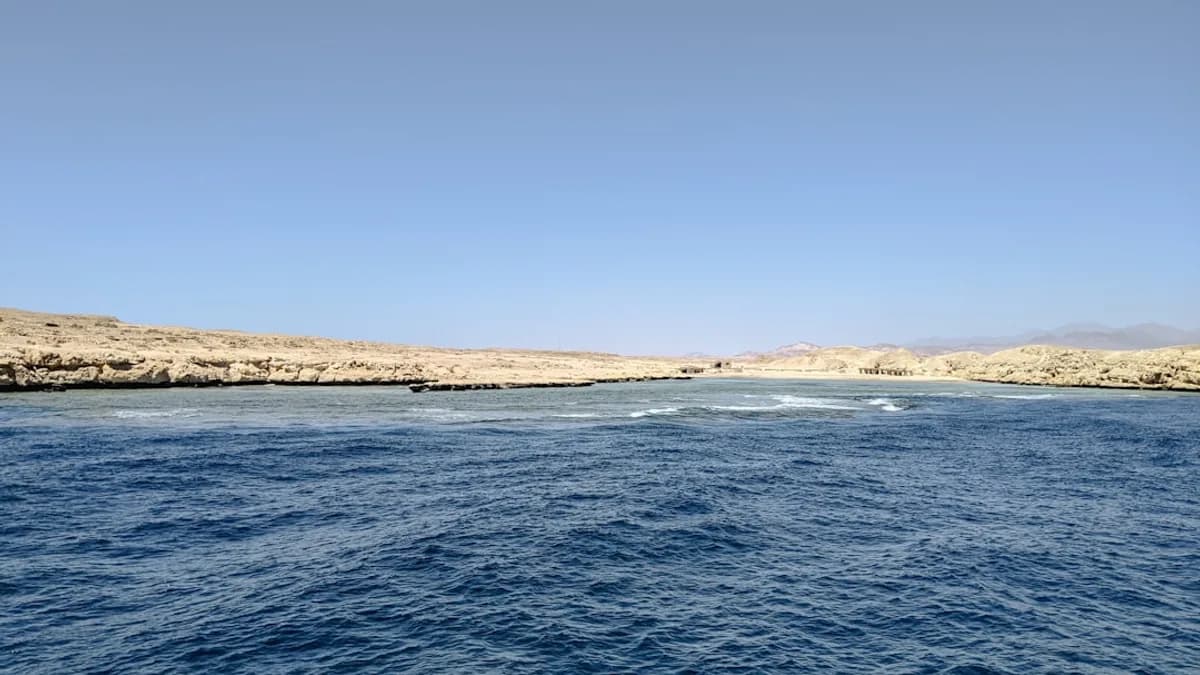
Introduction: Rising Tensions in the Strait of Hormuz
The Strait of Hormuz, a narrow chokepoint connecting the Persian Gulf with the Arabian Sea, is among the world’s most strategically significant maritime corridors. Roughly a fifth of global oil passes through this channel, making its stability critical for international energy markets. In recent days, tensions have escalated dramatically as Iran has doubled down on threats—and actions—to close the strait, coinciding with the impending expiration of a fragile regional ceasefire [Source: Source]. Conflicting reports and widespread confusion have clouded the true operational status of the waterway, leaving governments, shipping companies, and commodity markets on edge. As the situation intensifies, the world’s attention remains fixed on the Strait of Hormuz, wary of the broad implications that even temporary disruptions could unleash.
Iran’s Actions and Statements on the Strait Closure
Iran’s latest moves in the Strait of Hormuz are both assertive and deliberate. Official announcements from Tehran confirm a renewed effort to control and, in some cases, physically block maritime traffic through the strait. Iranian officials have pointedly cited the lack of progress toward a final diplomatic agreement with international stakeholders as justification for their actions. According to statements reported by Politico and other outlets, Iran’s leadership characterizes the closure as a direct response to what they describe as “unacceptable delays and lack of commitment” from negotiating parties [Source: Source].
These developments are not without precedent, but the current context is particularly volatile. The expiration of the ceasefire, which had somewhat stabilized the region, has created a vacuum of certainty. Iranian military assets, including naval vessels and anti-ship missile batteries, have reportedly been deployed to reinforce the closure. The government has warned that any unauthorized attempt to traverse the strait will be met with force, framing the move as both a defensive necessity and an assertion of sovereign rights under international law.
The implications of Iran’s stance are profound. Besides disrupting commercial shipping, the closure challenges the principles of freedom of navigation enshrined in the United Nations Convention on the Law of the Sea. Regional security is now at heightened risk, with the potential for miscalculation or escalation posing a threat not only to the immediate vicinity but also to broader global interests. Iran’s insistence that the closure is reversible—if a satisfactory deal is reached—offers some hope, but the present reality is one of heightened alert and strategic uncertainty [Source: Source].
International Reactions and Maritime Impact
The global response to Iran’s actions has been swift and multifaceted. Major powers, including the United States and members of the European Union, have called for restraint and immediate de-escalation. The U.S. Navy’s Fifth Fleet, stationed in Bahrain, has reportedly increased patrols and surveillance in the region, signaling a readiness to ensure the safety of international shipping lanes [Source: Source]. Meanwhile, Gulf states such as Saudi Arabia and the United Arab Emirates have condemned the closure, warning of the economic and security risks posed by any prolonged disruption.
Recent days have also seen alarming reports of attacks on vessels attempting to cross the strait. According to The Washington Post, two ships reported being targeted as they tried to navigate the channel, underscoring both the dangers present and the uncertainty faced by commercial operators [Source: Source]. While details remain sparse, these incidents serve as a stark reminder of the potential for rapid escalation and the vulnerability of civilian shipping in contested waters.
Shipping companies are responding with caution. Many have temporarily rerouted vessels or paused operations in the Persian Gulf, citing insurance concerns and the unpredictable security environment. Some tankers have anchored in safer waters, awaiting further instructions or clarification on the strait’s status. Lloyd’s List and other maritime intelligence sources report a spike in charter rates and insurance premiums for Gulf-bound cargo, reflecting the elevated risk profile.
Navies from several countries have stepped up their presence in the region, conducting joint exercises and offering escorts to commercial vessels where possible. However, the sheer volume of traffic through the Strait of Hormuz makes comprehensive protection challenging. The uncertainty has already led to delays and bottlenecks, with knock-on effects expected to ripple through global supply chains if the situation persists.
Media Coverage and Confusion Over Strait’s Status
Major news organizations have scrambled to keep pace with the fast-moving developments in the Strait of Hormuz, but conflicting reports have fueled confusion rather than clarity. Politico broke the story of Iran’s doubled-down closure stance, while The New York Times has described the strait as “largely closed,” citing diplomatic sources who emphasize that parties remain “far from a final deal” [Source: Source]. CNN chronicled the “24 hours of whiplash” that followed, highlighting the rapid-fire shifts in both Iranian messaging and international responses.
Adding to the uncertainty, CNBC aired video footage showing ships turning away from the strait, their captains reportedly unsure whether passage remains possible [Source: Source]. Meanwhile, The Washington Post detailed the accounts of vessels allegedly attacked while attempting to cross, raising questions about the accuracy of official statements regarding safety and access.
The challenge of verifying real-time information in conflict zones is evident. Maritime tracking data, eyewitness reports, and official communiqués often provide contradictory pictures. Satellite imagery can offer some insight, but fog of war and deliberate disinformation campaigns complicate efforts to ascertain the true status of the strait at any given moment. For shipping operators, insurers, and governments, this information vacuum exacerbates risk and complicates decision-making.
Potential Consequences and Future Outlook
If the Strait of Hormuz remains closed or only partially accessible, the economic and geopolitical consequences could be severe. As the corridor for nearly 20% of the world’s oil supply, even short-term disruptions have the potential to send shockwaves through global energy markets. Early indicators already suggest a spike in oil prices as traders factor in the risk of prolonged instability in the Gulf [Source: Source].
Supply chains are similarly at risk. Delays in crude shipments will have downstream effects on refineries, shipping schedules, and, ultimately, consumer prices worldwide. Insurance costs for ships operating anywhere near the Persian Gulf have surged, and rerouting vessels around Africa’s Cape of Good Hope is both time-consuming and costly. Exporters reliant on just-in-time delivery models are particularly vulnerable to extended disruptions.
Geopolitically, the situation poses a test for international diplomacy and regional alliances. The United States and its allies face the delicate task of reassuring partners and deterring further escalation, all while avoiding actions that could inadvertently trigger a broader conflict. Calls for an emergency meeting of the United Nations Security Council have grown louder, with diplomats urging renewed negotiations to restore stability and reopen the strait [Source: Source].
The immediate prospects for diplomatic resolution remain uncertain. Iran has signaled a willingness to reopen the waterway if its conditions are met, but mistrust and the lack of a clear framework for talks complicate matters. As the ceasefire nears expiration, the risk of miscalculation or a sudden flare-up remains high. The coming days will likely prove decisive in determining whether the world’s most critical maritime chokepoint will return to normalcy—or slide further into crisis.
Conclusion: Navigating Uncertainty in a Critical Maritime Corridor
The current volatility surrounding the Strait of Hormuz is a stark reminder of the region’s enduring strategic importance—and its fragility. With Iran doubling down on threats and actions to close the strait, the world faces a period of acute uncertainty that could have far-reaching economic and security consequences. Conflicting reports and real-time confusion only add to the challenge, underscoring the need for careful monitoring and prudent decision-making by all stakeholders.
Ultimately, the situation demands an urgent and coordinated international diplomatic response. The stakes—regional stability, global energy security, and the principles of free navigation—could not be higher. As the ceasefire deadline looms, the world watches and waits, hoping that dialogue and restraint will prevail over confrontation and chaos.