
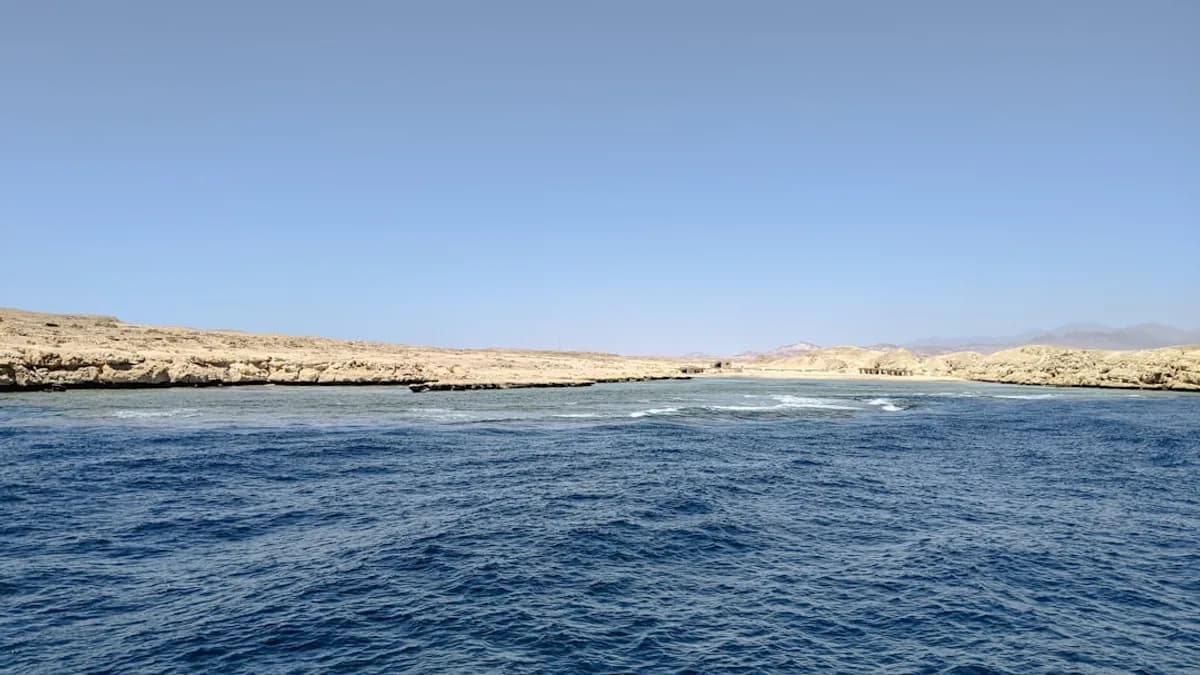
Introduction: Understanding the Strategic Importance of the Strait of Hormuz
The Strait of Hormuz is one of the world’s most crucial maritime chokepoints. Located between the Persian Gulf and the Gulf of Oman, this narrow passage is only about 21 miles wide at its narrowest point, yet it handles roughly a fifth of global oil consumption every day. The strait’s importance means that any disruption—whether due to military conflict, political standoffs, or blockades—can ripple through global energy markets and security frameworks.
Recently, Iran’s military has announced the closure of the Strait of Hormuz, citing the presence of a U.S. blockade as its primary reason [Source: Source]. This move follows a series of escalating tensions, including reports of attacks on commercial tankers and conflicting statements about the strait’s operational status from Iranian and U.S. officials. The closure’s immediate impacts are already being felt, with global oil prices showing volatility and shipping companies reassessing routes. These developments underscore the strait’s strategic role not only for regional actors but also for the global economy and international maritime security.
How to Monitor Developments in the Strait of Hormuz Effectively
Staying informed about fast-moving events in the Strait of Hormuz requires a combination of real-time news monitoring, data analysis, and geopolitical literacy.
1. Rely on Trusted News Sources and Official Statements:
Begin by following reputable news outlets and official government channels. Outlets like PBS, The New York Times, and The Washington Post provide timely updates and in-depth analysis of events around the strait [Source: Source]. Additionally, monitor statements from Iran’s military and the U.S. Department of Defense; these are often shared via official press releases, social media feeds, and international newswires.
2. Use Maritime Tracking Technologies:
Web-based platforms such as MarineTraffic and VesselFinder allow users to track commercial ships and tankers in near real-time using Automatic Identification System (AIS) data. Satellite imagery from organizations like Planet Labs or Maxar Technologies can provide visual confirmation of ship movements, blockades, or unusual maritime activity in and around the strait.
3. Interpret Geopolitical Signals:
Understanding the rhetoric from both Iranian and U.S. officials is essential. Watch for shifts in language, such as changes from “routine patrols” to “blockade” or “closure.” Experts recommend following policy briefings and analyses from think tanks like the International Crisis Group or Chatham House, which can help decode official statements and predict possible next steps.
By synthesizing these sources—news reports, ship tracking data, and expert geopolitical analysis—you can maintain a comprehensive and up-to-date understanding of the evolving situation in the Strait of Hormuz.
How to Assess the Risks and Implications of Strait of Hormuz Closures
When the Strait of Hormuz is closed or threatened, the risks and consequences extend beyond the immediate region.
1. Direct Risks to Commercial Shipping:
Ships transiting the strait face heightened dangers, including potential attacks or detentions. Recent incidents have included reported gunfire at tankers and forced diversions [Source: Source]. The threat of naval mines, drone activity, and increased military patrols raises the likelihood of accidental confrontations or navigation hazards.
2. Economic Implications:
With approximately 20% of global oil passing through the strait daily, any closure causes immediate uncertainty in global energy markets. Even temporary disruptions can trigger oil price spikes, impacting everything from fuel costs to inflation rates worldwide. The ripple effect extends to global supply chains, affecting industries reliant on timely energy and goods deliveries, from manufacturing to transportation and agriculture.
3. Geopolitical Consequences:
The closure of the strait often escalates regional tensions, drawing in neighboring Gulf states, the U.S., European Union, and even Asian economies dependent on Gulf oil. International responses may include heightened military presence, emergency diplomatic negotiations, or even the formation of naval coalitions to secure passage. Such escalations risk broader conflict, miscalculation, or prolonged instability in the region.
Assessing these risks involves understanding both the immediate tactical situation—such as which vessels are currently affected—and the broader strategic landscape, including the potential for protracted standoffs or diplomatic breakthroughs.
How to Prepare and Respond for Stakeholders Affected by Strait of Hormuz Disruptions
Given the high stakes, stakeholders ranging from shipping companies to national governments must proactively develop comprehensive response strategies.
1. Shipping Companies:
- Route Planning: Use real-time maritime data to assess alternative routes, such as the longer journey around the Cape of Good Hope, while weighing the increased costs and time delays.
- Risk Mitigation: Enhance on-board security protocols, coordinate with international naval forces when possible, and ensure compliance with updated insurance requirements for high-risk zones.
- Communication: Maintain clear lines of communication with local authorities, international agencies, and clients to provide status updates and respond rapidly to emerging threats.
2. Energy Sector Stakeholders:
- Contingency Planning: Diversify supply sources and maintain strategic reserves to cushion the impact of sudden disruptions.
- Market Hedging: Employ financial instruments to hedge against oil price volatility, and reassess contractual obligations to account for potential delays or force majeure scenarios.
- Infrastructure Investment: Explore investments in alternative export routes, such as pipelines bypassing the strait, to reduce dependency on this chokepoint.
3. Governments and International Bodies:
- Diplomatic Coordination: Engage in multilateral talks to de-escalate tensions and establish communication hotlines to prevent misunderstandings.
- Security Measures: Consider deploying naval assets to ensure freedom of navigation, participating in international coalitions, or supporting UN-led monitoring efforts.
- Public Communication: Provide transparent information to citizens and businesses about risks, government actions, and recommended precautions, helping to minimize panic or misinformation.
By adopting these measures, stakeholders can better withstand the shocks triggered by disruptions in the Strait of Hormuz and contribute to overall maritime stability.
How to Stay Informed and Adapt to Future Developments in the Strait of Hormuz
In a region as volatile as the Strait of Hormuz, continuous situational awareness and adaptability are crucial.
1. Monitoring Tools and Platforms:
Set up alerts from trusted news aggregators like Google News and specialized maritime intelligence platforms. Subscribe to newsletters from think tanks and security analysts focused on the Middle East and global energy markets.
2. Engage with Expert Analysis:
Follow policy forecasts and scenario planning from organizations like the International Energy Agency (IEA) and the Center for Strategic and International Studies (CSIS). Participate in webinars or briefings that offer real-time insights and discussion of potential developments.
3. Maintain Flexible Strategies:
Regularly review and update contingency plans based on new information. Encourage cross-sector collaboration, sharing best practices and intelligence to stay ahead of emerging risks. Flexibility and readiness to pivot are essential for managing ongoing uncertainty.
Conclusion: Navigating the Complexities of the Strait of Hormuz Amid Ongoing Tensions
The closure of the Strait of Hormuz is a stark reminder of the region’s geopolitical fragility and its global economic importance. Proactive monitoring, risk assessment, and thorough preparedness are essential for all stakeholders—from shipping firms to national governments. Coordinated international efforts remain vital to ensuring maritime security and stability in the face of recurring tensions. By applying the strategies outlined above, organizations and individuals can better mitigate the impact of disruptions and stay informed as the situation continues to evolve.


