Introduction: Understanding the Strait of Hormuz and Recent Tensions
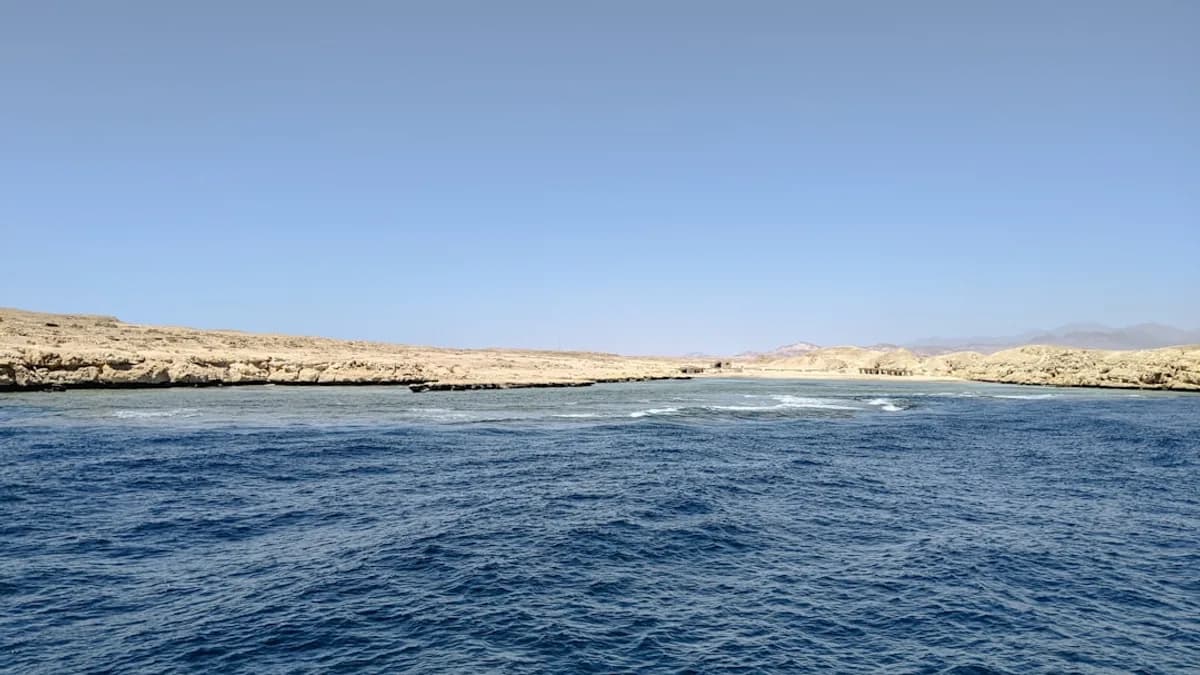
Iran seized two ships near the Strait of Hormuz, one of the world’s most important waterways for oil and trade. This area connects the Persian Gulf to the open sea and handles about a fifth of all global oil shipments. When Iran attacks ships or blocks the strait, it can shake up markets and make gas prices jump everywhere [Source: Google News].
Lately, there have been several incidents. Iranian forces claimed to grab two ships. The U.S. sent thousands more troops to the Middle East in response. The Navy’s top leader was removed amid rising tensions. Experts say Iran wants to disrupt business, not just show its power. These events mean it’s crucial for shipping companies and governments to pay close attention and plan for risks. If you work in shipping, law, or risk management, knowing how to monitor, prepare, and respond is key right now.
How to Monitor Maritime Security Risks in High-Tension Areas Like the Strait of Hormuz
If you need to track ship safety in risky places, start with reliable news and official sources. Trusted outlets like CBS News, The New York Times, and NBC News offer live updates on major incidents [Source: Google News]. Government alerts from the U.S. Navy, UK Maritime Trade Operations, and regional coast guards often arrive faster than social media rumors.
For real-time ship movement, use satellite tracking and AIS data. AIS stands for Automatic Identification System. It’s like a GPS for ships, showing where each vessel is and where it’s headed. Platforms such as MarineTraffic and VesselFinder let you follow ship routes and see if a ship is slowing, changing direction, or stopping—signs something may be wrong.
Official statements can be tricky. Always check the original press releases from defense ministries or coast guards. Look for facts, not just headlines. Compare statements from Iran, the U.S., and global organizations to spot gaps or bias.
Keeping up with changes means using tools that send alerts. Apps like Genscape, Lloyd’s List Intelligence, or even Google News RSS feeds can notify you about fresh incidents. Many shipping companies use risk dashboards that pull from multiple sources. Some even pay for custom threat reports from security firms.
If you need deeper insight, try maritime security newsletters or expert analysis from groups like the International Maritime Organization (IMO) or the Center for Strategic and International Studies (CSIS). These offer context beyond daily news. Remember, staying updated is about mixing fast alerts with trusted background information.
How to Prepare Commercial Shipping Operations for Navigating Conflict Zones
Before a ship enters the Strait of Hormuz or any dangerous waterway, risk assessment is the first step. Check the latest threat levels, look at recent attacks or seizures, and study maps of trouble spots. Companies often use risk consultants or maritime intelligence firms for this. Compare current risks to past incidents, like the 2019 tanker seizures or the Gulf wars, to spot patterns.
Communication is crucial. Ships must keep in touch with their home office, local naval authorities, and coast guards. Most follow International Ship and Port Facility Security (ISPS) protocols, which lay out how and when to report. Share voyage plans, crew lists, and cargo details with authorities before entering the area. Make sure your crew knows who to call in an emergency.
Insurance is another big point. Many policies have “war risk” clauses. These cover damage or loss from conflict, but only if you follow certain rules. Always read the fine print—sometimes you need extra coverage for “hot zones” like Hormuz. If you don’t, you could lose millions if your ship is hit or taken.
Crew training matters more than ever. Run drills for hostage situations, attacks, or sudden boarding. Teach your team how to hide, use emergency radios, and follow escape routes. Some companies hire security teams or install safe rooms—called “citadels”—where crew can lock themselves in if pirates or soldiers board.
Pack emergency supplies: water, food, medical kits, and satellite phones. Make sure every crew member knows the plan. If they don’t, confusion can turn a bad situation worse.
How to Respond Effectively to Maritime Security Incidents Like Ship Seizures or Attacks
If your ship is seized or attacked, act fast. First, alert your company and local authorities. Use satellite phones or secure radios if needed. Don’t try to fight unless you’re trained and have clear orders—most experts say staying calm and following attacker instructions is safest.
Next, coordinate with naval forces. The U.S. Navy, British Royal Navy, or regional allies often send help if a ship is in trouble. They may guide your crew, negotiate with attackers, or escort ships out of danger. The International Maritime Organization (IMO) has protocols for such events—follow them to the letter.
Diplomatic channels matter too. Governments can push for crew release or ship return through talks or pressure. In recent Iran incidents, countries often worked together, using embassies and the UN to get sailors home [Source: Google News].
Communicate clearly with stakeholders. Tell families, owners, insurers, and the media what’s happening—but don’t share sensitive details that could make things worse. Many shipping companies have crisis teams who handle public statements and keep facts straight.
Learn from past mistakes. In the 2019 Hormuz tensions, some ships failed to report changes in route or ignored warnings. Others had no backup communication. After these events, companies set up stricter tracking, more frequent updates, and better crew drills.
If you respond well, you can limit harm. If you don’t, the fallout can last months—lost cargo, lawsuits, and even lives.
How to Navigate the Geopolitical Implications of Iran’s Maritime Actions for Global Trade
Iran’s ship seizures send ripple effects through global trade. When the Strait of Hormuz is blocked or risky, oil prices surge and shipping costs climb. In the past, similar events have pushed up insurance rates, slowed deliveries, and forced companies to reroute ships through longer, costlier paths [Source: Google News].
Governments and businesses must adapt. Some switch to pipelines that bypass Hormuz, like the East-West Pipeline in Saudi Arabia, or use smaller ships to sneak through. Others keep extra fuel and supplies on hand in case deliveries are delayed. Big oil buyers like China and India often negotiate backup deals with other suppliers.
International law helps, but it’s not a magic fix. The United Nations Convention on the Law of the Sea (UNCLOS) says ships have a right to “innocent passage,” but enforcement is tricky during conflicts. Maritime conventions set rules, but only work if countries follow them and back them up with force or diplomacy.
Working with risk consultants and legal experts is smart. They can review contracts, check insurance, and plan for worst-case scenarios. Some firms run tabletop exercises—fake crises on paper—to test readiness. Governments might join or form coalitions, sharing intelligence and patrols to protect ships.
In the end, everyone must balance cost, safety, and politics. If tensions keep rising, companies may shift more business to safer routes or markets. The world’s supply chains are flexible, but not invincible.
Conclusion: Strengthening Maritime Security and Preparedness Amid Ongoing Middle East Tensions
Iran’s attacks in the Strait of Hormuz remind us how fragile global trade can be. Watching risks, preparing for trouble, and knowing how to respond are steps every shipping company and government must take. The lessons: use trusted alerts, follow strict communication, have clear insurance, and train your crew well.
As tensions rise, proactive strategies matter most. Stakeholders—from ship owners to policymakers—must keep learning and adapting. The situation may change fast, but strong planning and teamwork can keep people and cargo safe. Make maritime security a top priority and stay ready for whatever comes next.
Why It Matters
- Disruptions in the Strait of Hormuz can impact global oil prices and economic stability.
- Escalating military tensions risk broader conflict and increased security challenges for international shipping.
- Businesses and governments must stay informed and prepared to mitigate maritime security risks in critical trade routes.