Introduction to the Hormuz Strait and Its Strategic Importance
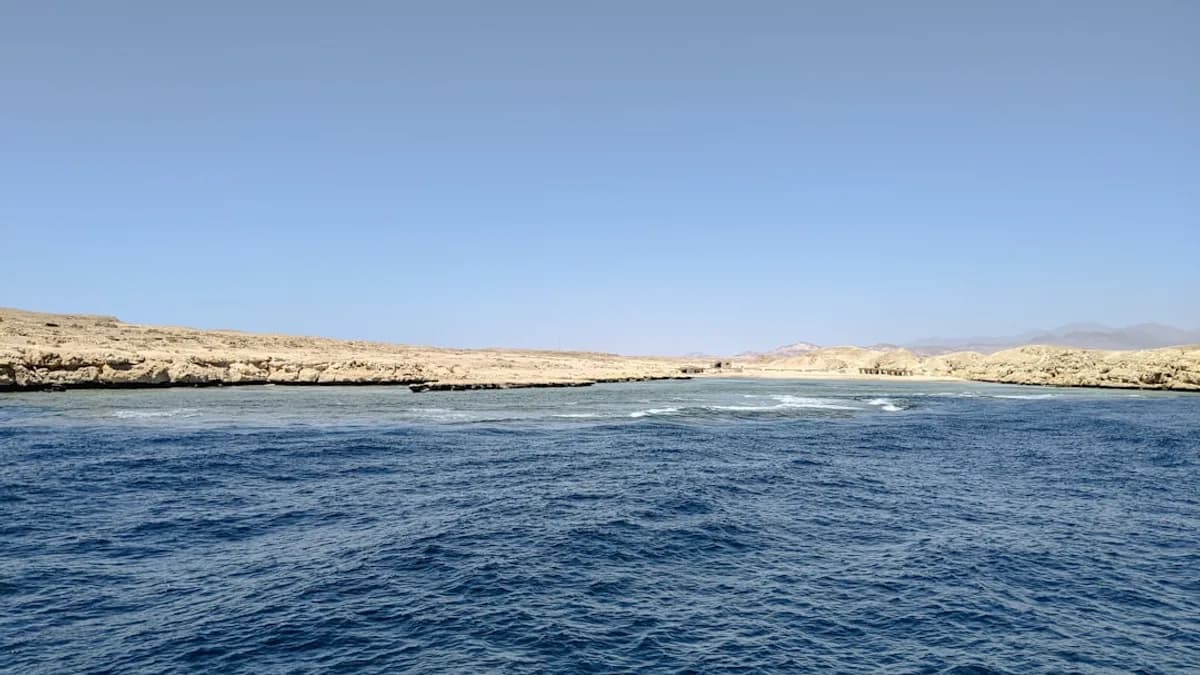
When the world’s oil arteries constrict, the ripple effects are felt from Wall Street to Beijing. Few maritime routes are as critical—or as vulnerable—as the Strait of Hormuz. This narrow channel, barely 21 miles wide at its tightest, is responsible for the transit of roughly a fifth of global oil consumption each day. The choke point, flanked by Iran to the north and the United Arab Emirates and Oman to the south, is not merely a geographic curiosity; it’s a linchpin of global energy security.
Disruptions in Hormuz have a notorious track record of sending oil prices surging and stoking fears of broader instability. Recent days have seen a fresh and dramatic standstill in vessel traffic after Iran abruptly reversed a reopening of the waterway, triggering a cascade of military maneuvers and diplomatic brinkmanship. The world is watching, because what happens here can redraw the map of international trade and energy flows in a matter of days [Source: Source].
Timeline of Recent Events Leading to the Current Standstill in Hormuz Traffic
Tensions in the Strait of Hormuz rarely fade from the headlines for long, but the current standoff has escalated with remarkable speed. In late June 2024, Iran unexpectedly halted the reopening of the strait, reversing earlier signals that maritime traffic would soon normalize. The abrupt policy shift stranded dozens of tankers and cargo vessels—some laden with millions of barrels of crude—leaving global shippers and energy markets in limbo [Source: Source].
The immediate trigger was the seizure by the United States of an Iranian-flagged ship, part of a broader campaign to interdict vessels suspected of violating sanctions. The U.S. Navy raised the stakes further by disabling the engine of a separate cargo ship, employing targeted force to halt suspected blockade runners without resorting to outright destruction. This approach underscores the U.S. military’s attempt to enforce sanctions and assert freedom of navigation, all while avoiding the kind of escalation that could spark a wider conflict [Source: Source].
Iran’s response has been swift and defiant. Officials in Tehran have condemned the American actions as “piracy” and vowed retaliation. At the same time, the Iranian government has left the door open for future negotiations, stating that “no decision” has been made regarding new peace talks. The ambiguity has only added to the tension, as global powers—from Washington to Beijing—scramble to assess the risks to energy supplies and regional stability. Meanwhile, live updates from multiple sources confirm that traffic through the Strait remains at a standstill, with insurance rates spiking and shipping companies rerouting vessels where possible [Source: Source].
Understanding the Role of Iranian-Flagged Ships and Their Connections to China
The story of the Hormuz standoff can’t be told without examining the fleet of Iranian-flagged ships that quietly but persistently ply the world’s sea lanes. Many of these vessels have maintained a lifeline for Iran’s economy by exporting oil to buyers willing to defy U.S. sanctions—chiefly China. Over the past several years, Chinese refiners and traders have emerged as Iran’s most reliable customers, often engaging in ship-to-ship transfers and other tactics designed to obscure the provenance of sanctioned crude [Source: Source].
This deepening maritime relationship between Tehran and Beijing is more than just a matter of economics. It has cemented a quasi-alliance in the face of Western pressure, giving Iran leverage in its regional disputes and providing China with a discounted, if risky, energy supply. The presence of Iranian-flagged ships in Chinese ports complicates efforts by the U.S. and its allies to enforce sanctions, creating a web of legal and logistical challenges. In the current context, these connections raise the stakes of any confrontation in Hormuz, as disruptions could reverberate across Asia’s energy-hungry economies.
Analysis of U.S. Naval Strategy in Managing Iran Blockade Runners
The U.S. Navy’s recent tactics in the Gulf reflect a calculated blend of assertiveness and restraint. By disabling the engine of a suspected sanctions-busting cargo ship rather than seizing or sinking it outright, the Navy signaled its resolve to interdict illicit shipments while minimizing the risk of direct confrontation [Source: Source]. This approach is part of a broader doctrine known as “graduated response”—using the minimum force necessary to achieve strategic objectives without triggering uncontrollable escalation.
Historically, the U.S. has walked this tightrope before. During the “Tanker War” of the 1980s, American forces frequently escorted Kuwaiti and Saudi oil tankers through the Persian Gulf, occasionally clashing with Iranian vessels. Today’s environment, however, is more complex: Iran’s maritime tactics are more sophisticated, and global supply chains are far more interconnected. The U.S. must now calibrate its actions not just for military effect, but for their impact on global markets and alliances.
From a security perspective, the disabling of engines represents a tactical innovation that could shape future maritime enforcement. It allows the U.S. to disrupt illicit trade without causing environmental disasters or risking civilian casualties—risks that could easily inflame public opinion and draw in other regional actors. Yet this strategy is not without risk: repeated incidents could provoke Iran into retaliatory attacks on commercial shipping or U.S. military assets, raising the specter of a wider conflict.
Broader Geopolitical Implications and Potential Outcomes of the Hormuz Standstill
Iran’s vow to retaliate for the U.S. seizure of its ship has injected new volatility into an already unstable region. The threat of escalation is real, especially given the presence of other regional actors—Saudi Arabia, the UAE, Israel—each with their own interests and red lines. Any miscalculation could quickly spiral into a broader confrontation, with global repercussions for energy security and trade [Source: Source].
Diplomatically, the standoff has left the door ajar for renewed negotiations, but the tone is cautious and the prospects uncertain. Iran’s ambiguous statements about peace talks reflect both internal divisions and an effort to keep its adversaries guessing. In the past, high-stakes incidents in the Gulf have occasionally acted as catalysts for dialogue—most notably, the 2015 nuclear agreement—but they have also triggered cycles of escalation.
For international markets, the impact is immediate and tangible. Oil prices have already shown signs of swinging upward as traders price in the risk of prolonged disruptions. Insurance premiums for ships transiting the Gulf have surged, and some shipping lines have begun rerouting traffic around Africa, adding costs and delays. For countries reliant on Gulf oil—especially in Asia and Europe—the standoff is a stark reminder of the fragility of global supply chains and the enduring importance of maritime chokepoints.
Conclusion: What the Hormuz Strait Standstill Means for Global Trade and Security
The sudden paralysis of shipping in the Strait of Hormuz is more than a regional crisis—it’s a global alarm bell. With a fifth of the world’s oil at stake, the current standoff underscores the strategic vulnerability of maritime chokepoints and the delicate balance of power that keeps them open. As Iran and the U.S. trade threats and tactical moves, the risk of miscalculation looms large.
For policymakers, businesses, and consumers alike, the lesson is clear: the stability of global trade and energy supplies cannot be taken for granted. Whether this crisis leads to renewed diplomacy or deeper confrontation will depend on the actions of the coming days. But one thing is certain—the world’s eyes will remain fixed on the waters of Hormuz, where the tides of geopolitics and commerce meet in their most volatile form. Close monitoring and international cooperation are not optional; they are essential for safeguarding the arteries of global prosperity.