Introduction: The End of an Era for Gilbert Burns
Gilbert Burns’ retirement marks a profound moment in mixed martial arts, closing the chapter on a career that has been defined by grit, skill, and relentless ambition. After suffering a knockout loss to rising contender Mike Malott in the UFC Winnipeg main event, Burns announced his decision to step away from active competition—a move that reverberated throughout the MMA community [Source: Source]. Burns, known for his world-class Brazilian Jiu-Jitsu and his tenacity inside the Octagon, has been a fixture in the UFC’s welterweight division, consistently challenging the best and delivering memorable performances. The defeat to Malott, while painful, is not just a singular loss but a symbolic transition, as one of the sport’s respected veterans bows out. This opinion piece explores Burns’ legacy, analyzes the pivotal fight, and considers the wider implications of his retirement for both himself and the sport he helped shape.
Gilbert Burns’ Legacy in MMA
Gilbert Burns has been far more than just another name on UFC rosters. From his early days as a decorated Brazilian Jiu-Jitsu world champion to his rise in MMA, Burns has amassed an impressive list of achievements. He notched key victories over high-profile fighters such as Tyron Woodley and Stephen Thompson, and fought for the UFC welterweight title against Kamaru Usman—a testament to his elite status [Source: Source]. Burns’ evolution as a fighter is notable: he transitioned from grappling specialist to a well-rounded combatant, showing striking improvements and a willingness to take on any challenge.
His impact is felt not only in the cage but also in the broader martial arts community. Burns has been a vocal advocate for Brazilian Jiu-Jitsu, inspiring countless practitioners to pursue MMA and break through perceived barriers. His fighting style, characterized by constant forward pressure and innovative submissions, has influenced both fans and fellow athletes. In an era dominated by trash talk and hype, Burns stood out for his professionalism and respect for opponents, earning admiration from peers and the next generation of fighters.
For Brazilian fans and the global MMA community, Burns symbolized the spirit of perseverance. His journey—from overcoming setbacks to reaching the pinnacle of UFC competition—has been a source of motivation. Burns’ retirement thus resonates beyond statistics and records; it marks the departure of a fighter who embodied the values of hard work and humility, leaving an indelible mark on the sport.
Analyzing the Fight: What Went Wrong Against Mike Malott?
The UFC Winnipeg main event was expected to be a crossroads for both Gilbert Burns and Mike Malott, but few anticipated the dramatic finish that would unfold. Burns entered the bout with his trademark aggression, attempting to dictate the pace and leverage his grappling expertise. Early exchanges were competitive, with Burns landing clean shots and threatening takedowns. However, Malott, a younger and fast-rising Canadian prospect, showcased remarkable composure and technical precision, gradually turning the tide [Source: Source].
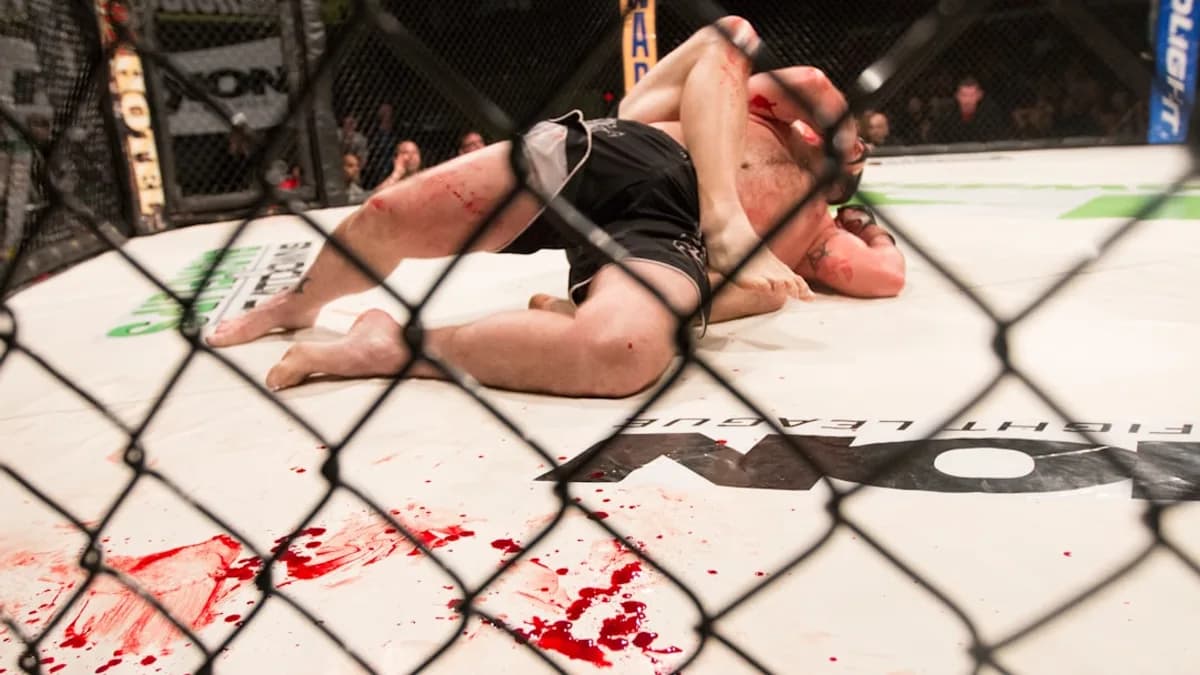
The third round saw Malott capitalize on Burns’ defensive lapses, landing a devastating combination that resulted in a knockout. Burns’ strategy—while sound on paper—seemed to falter as the fight progressed. He struggled to adapt to Malott’s evolving approach, which blended striking and anti-grappling techniques effectively. Whether this loss is a sign of decline or an isolated event is open to debate. Burns has faced tough opposition throughout his career, and even in defeat, he showed flashes of his former brilliance. Yet, the outcome suggests that factors such as age, wear-and-tear, and the rise of new contenders may have caught up with him.
Malott’s victory was not simply a product of youthful energy; it was a calculated execution of a game plan designed to neutralize Burns’ strengths. The fight revealed both the unforgiving nature of elite MMA and the reality that every era eventually gives way to the next. For Burns, the knockout loss served as a poignant reminder of the sport’s physical demands and its constant evolution.
The Timing and Implications of Burns’ Retirement
Burns’ decision to retire immediately following a knockout loss is both courageous and pragmatic. Fighters often grapple with the question of when to step away, balancing competitive drive with concerns about health and legacy. For Burns, the timing reflects a recognition of the sport’s risks and the importance of prioritizing long-term wellbeing [Source: Source]. MMA is an unforgiving arena, where repeated head trauma and physical punishment can have lasting consequences. By retiring now, Burns demonstrates an awareness that transcends individual pride, setting a responsible example for peers.
Professionally, Burns’ departure leaves a void in the UFC welterweight division. He has been a perennial contender, pushing champions and prospects alike. His presence elevated the quality of matchmaking and brought international attention to the division. Personally, retirement opens new possibilities: coaching, mentorship, commentary, or even roles within the UFC or BJJ organizations. Burns has the experience and charisma to contribute meaningfully outside the cage.
For the UFC, Burns’ retirement is a reminder of the cyclical nature of competition. The division will adjust, with emerging fighters stepping up to fill the vacuum. Yet, the loss of a veteran like Burns signals a shift in the competitive landscape, raising questions about how the promotion supports aging athletes and ensures their post-fight security.
Reflecting on the Broader MMA Landscape
Burns’ retirement is part of a larger trend in MMA, where seasoned fighters increasingly choose to step away rather than risk long-term health. This shift reflects greater awareness of the physical toll exacted by the sport and a growing appreciation for legacy over longevity. Recent years have seen notable veterans—such as Donald Cerrone and Frankie Edgar—exit the Octagon, making room for a new generation of athletes [Source: Source].
Emerging fighters like Mike Malott are shaping the future of MMA, bringing fresh styles and perspectives. The sport is evolving rapidly, with training methods, athlete management, and medical protocols improving. Burns’ exit underscores the delicate balance between honoring past achievements and embracing change. For fans, it is a bittersweet moment: the excitement of new talent is tempered by nostalgia for those who defined previous eras.
Burns’ career and retirement offer important lessons. They highlight the value of adaptability, the importance of health, and the necessity of planning for life beyond competition. MMA is more than just a spectacle; it is a community where respect and responsibility matter. Burns’ journey—from humble beginnings to global recognition—reminds us that every fighter’s story is unique and worthy of celebration.
Conclusion: Celebrating Gilbert Burns and Looking Ahead
Gilbert Burns leaves behind a legacy characterized by courage, skill, and unwavering dedication. His retirement, following a tough loss to Mike Malott, is a significant moment for MMA, prompting reflection on both his contributions and the sport’s ongoing evolution [Source: Source]. Burns’ professionalism, sportsmanship, and championship aspirations have inspired countless fans and fighters. As he steps away from active competition, the MMA world owes him respect and gratitude for years of entertainment and excellence.
Looking ahead, Burns has the potential to shape the sport in new ways, whether through coaching, commentary, or advocacy. His experience and perspective are invaluable assets. For fans, Burns’ journey is a reminder to appreciate both the legends and the emerging stars, understanding that MMA is always in transition. As the sport continues to grow, it is these stories—of triumph, defeat, and resilience—that define its true character.