Introduction: Understanding the Ticket Sales Challenges for USMNT’s World Cup Opener
FIFA is struggling to sell tickets for the United States Men’s National Team (USMNT) opener against Paraguay at the 2026 World Cup. That’s surprising, since this is one of the most talked-about games for American soccer fans. The match will be played in the US, where soccer is growing fast and where FIFA hoped to fill giant stadiums. Yet, reports say thousands of seats remain unsold, raising big questions about how FIFA is handling ticket sales and prices [Source: Google News].
Fans and media are paying close attention because the World Cup is the biggest soccer event in the world. This is the first time the USMNT will play a World Cup opener at home since 1994. People expected tickets to sell out quickly. Instead, many are asking why tickets are so expensive, who can afford them, and what this means for the atmosphere at one of soccer’s most important games.
The Pricing Controversy: How FIFA’s Ticket Costs Impact Fan Accessibility
FIFA set record-high prices for tickets to the 2026 World Cup. Some tickets for the USMNT opener cost hundreds—sometimes even thousands—of dollars, depending on the section and match. The cheapest tickets start at around $300, with premium seats stretching up to $2,000 or more [Source: Google News]. This is much higher than prices at past World Cups, and even more expensive than tickets for events like the NFL Super Bowl or NBA Finals.
Fans are angry. Many say ticket prices are way out of reach for regular people and families. On social media, complaints pile up about having to "choose between soccer and rent." Some fans compare the cost to other big sports events. For example, average Super Bowl tickets in 2024 cost about $1,200, but World Cup prices for similar seats often go higher. Past World Cups, like Russia 2018, had entry-level tickets for local fans at less than $100.
FIFA says the high prices reflect the size and scale of the event. The 2026 World Cup will be the biggest ever, with more teams and games. Stadiums are larger, and FIFA expects higher demand. But many fans and experts say the pricing strategy is risky. It may keep passionate supporters out and lead to empty seats on TV. Some fans wonder if FIFA is betting too much on wealthy buyers and tourists, rather than local soccer fans. For many, the value just doesn’t match the price, especially for early group-stage games like USMNT vs. Paraguay.
Seating Assignments and the Alleged Bait-and-Switch: What Fans Need to Know
Fans aren’t just upset about high prices—they’re also frustrated with how FIFA handles seating assignments. Many buyers report that after paying for expensive tickets, they got worse seats than they expected. Some paid for "prime" sections but were moved to less desirable spots. Others say their ticket categories changed after purchase, or that they received vague seating details until the last minute [Source: Google News].
This confusion has led some fans to accuse FIFA of a "bait-and-switch." They feel that the ticketing process is unclear and that changes happen without warning or explanation. Social media is full of complaints from fans who planned group trips, only to find their seats scattered around the stadium. Some even say they received tickets for sections they didn’t choose.
The problem seems to be widespread. Experts think it’s partly due to FIFA’s complex ticketing platform, which sometimes prioritizes sponsors and VIPs over regular fans. The lack of transparency makes buyers worry they won’t get what they paid for. For families and friends hoping to sit together, the uncertainty is especially disappointing.
All this hurts trust in FIFA’s ticketing system. When fans feel cheated, they may decide not to buy tickets at all. That’s one big reason why sales for the USMNT opener have stalled, even though interest in the game is high.
FIFA’s Response and Defense: Insights from President Gianni Infantino
FIFA president Gianni Infantino has defended the organization’s ticket pricing and sales process. He says FIFA is working hard to make the World Cup accessible and enjoyable for everyone. Infantino points out that the US market is unique—stadiums are bigger, costs are higher, and demand is unpredictable. He believes the prices are fair for such a “global event” and says that tickets will eventually sell out as excitement grows [Source: Google News].
Infantino also claims that FIFA is listening to fan complaints. He says the organization has added more tickets in some sections and improved ticketing tools to help buyers understand their seat locations. FIFA promises to fix bugs in its online platform and to give clearer seating details in the future.
Still, some fans say these changes are not enough. They want lower prices and a simpler buying process. Infantino’s defense shows FIFA is willing to make small tweaks, but the main strategy—targeting high-paying customers—remains the same. For now, FIFA hopes that as the tournament gets closer, most tickets will be snapped up, and the stadiums will be full.
Market Demand and Ticket Search Trends: Analyzing the Surge Despite Sales Challenges
Despite slow ticket sales, online searches for 2026 World Cup tickets have shot up by 677% in recent months [Source: Google News]. This shows people are curious and eager to follow the event. Fans are researching seats, prices, and schedules, hoping to find deals or get early access.
But high search interest doesn’t always lead to actual ticket sales. Many people check prices, then decide not to buy because they’re too steep. Experts say the gap between online demand and real sales is bigger than ever. In part, this is because younger fans and families are more price-sensitive than business travelers or VIPs.
Location matters, too. The US is a huge country, so fans must travel long distances for games. For the USMNT opener, many fans live hours away from the stadium. Travel costs add to the price, making it even harder for regular supporters to attend.
So, while the World Cup is generating lots of buzz, FIFA’s pricing and ticketing issues keep many fans from actually buying seats. The challenge is to turn interest into real attendance.
Broader Implications: What Ticket Sales Struggles Mean for the 2026 World Cup Experience
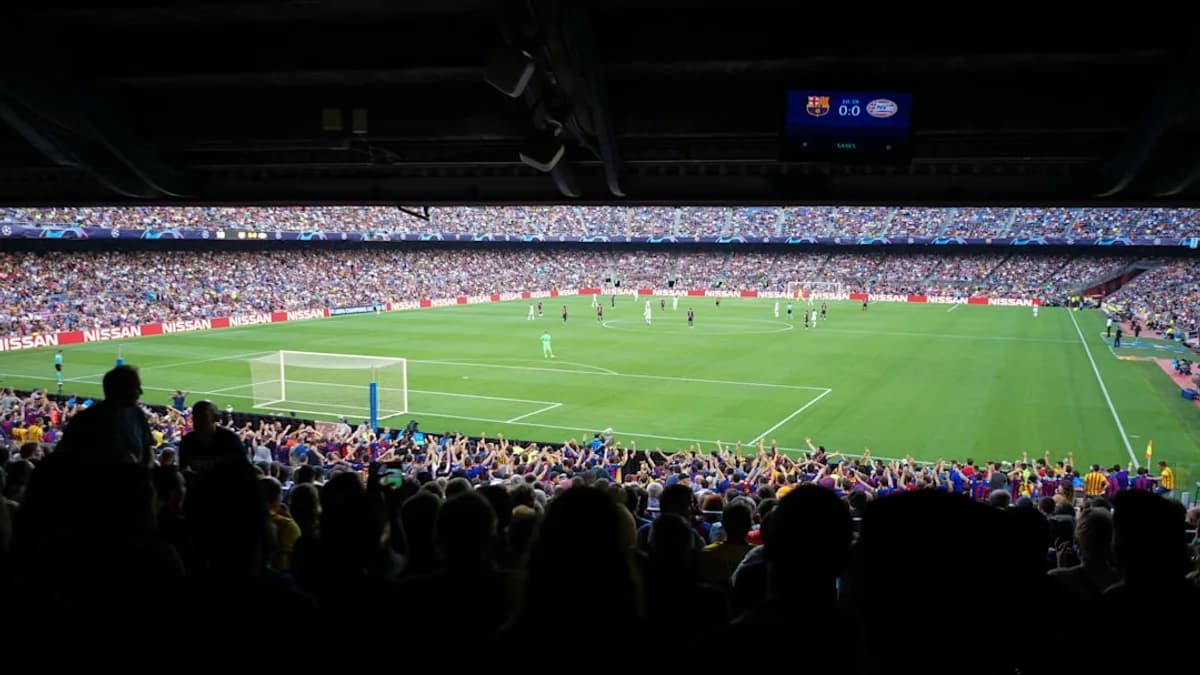
If ticket sales stay slow, the stadium atmosphere at the USMNT opener—and other games—could suffer. Empty seats make the event look less exciting on TV and in person. The energy of a packed crowd is part of what makes the World Cup special. Fans chanting and waving flags create memories that last for years.
For FIFA, these sales troubles could hurt its reputation. The World Cup is supposed to be for everyone, not just the wealthy. If fans feel locked out, they may lose trust in FIFA’s future events. Organizers will face tough questions about how they balance prices, accessibility, and fan happiness.
There are lessons here. Organizers need to remember that even the biggest events can flop if the price is too high or the ticketing system is confusing. Simple, fair practices help keep fans loyal and stadiums full. If FIFA doesn’t solve these problems, it may have to rethink how it sells tickets for future tournaments.
Conclusion: Navigating the Complexities of World Cup Ticketing for Fans and Organizers
Ticket sales for the USMNT opener against Paraguay have become a headache for FIFA. High prices, confusing seating assignments, and a slow sales pace have left many fans frustrated and stadium seats empty. These issues show how important it is for big sports events to use clear, fair ticketing practices.
Fans want affordable prices and honest seat choices. Organizers need to listen and make changes that put supporters first. If FIFA and its partners learn from these mistakes, the 2026 World Cup can still be a great event. With more transparency and lower prices, future tournaments might avoid these troubles—and bring the excitement of soccer to everyone, not just a few.
Why It Matters
- High ticket prices may limit access for regular fans and affect stadium atmosphere.
- FIFA's pricing strategy could impact public perception and future event attendance.
- Comparisons with other major sports events highlight concerns about affordability and fan engagement.