Introduction: Overview of the Fatal Crash Involving CIA Officers in Mexico
Two Americans working for the CIA died in a car crash in Chihuahua, Mexico, after a counternarcotics operation [Source: Google News]. The crash happened last week and shocked both US and Mexican officials. At first, the US government did not share the names or roles of the victims. Later, it confirmed they were CIA officers. The accident drew attention because it happened during work tied to fighting drug trafficking—a job both countries spend billions on every year. Mexican leaders quickly asked for answers about what these Americans were doing and why their government wasn’t told. This tragedy could change how the US and Mexico work together on security and drug enforcement.
Background: The Role of CIA in Counternarcotics Operations in Mexico
The CIA is a spy agency. In Mexico, its main goal is to help stop drug cartels and keep drugs from reaching the US. CIA officers gather information, watch cartel leaders, and sometimes help plan big police operations. They work with other US groups, like the DEA (Drug Enforcement Administration) and FBI, to share tips and track suspects.
Working in Mexico is tough. Cartels are powerful and often violent. They control parts of cities and towns, and sometimes fight local police. The CIA uses secret methods and tries to stay hidden, but their work can put them in danger. Sometimes they help Mexican police with intelligence, or set up tools to catch smugglers.
The US and Mexico have a long history of working together on drugs, but it’s not always easy. Mexican officials sometimes worry about US agents acting without telling them. In 2011, a similar case happened when two US agents were attacked by cartel gunmen near Mexico City. That event pushed both governments to talk more about rules and safety.
CIA missions in Mexico are mostly about finding drug routes, picking up signals from cartel phones, or helping plan raids. They don’t arrest people—they pass information to Mexican police. But the job is risky, especially in areas like Chihuahua, where the Sinaloa cartel is active. US officers must follow strict rules, and sometimes they need special permission from Mexico to be there.
US agencies face another challenge: trust. Some Mexican police are linked to cartels. So the US worries about leaks or sabotage. This makes it hard to share information. Still, both sides know they must work together to fight drug crime, which costs lives and hurts families in both countries.
Details of the Crash and Circumstances Surrounding the Incident
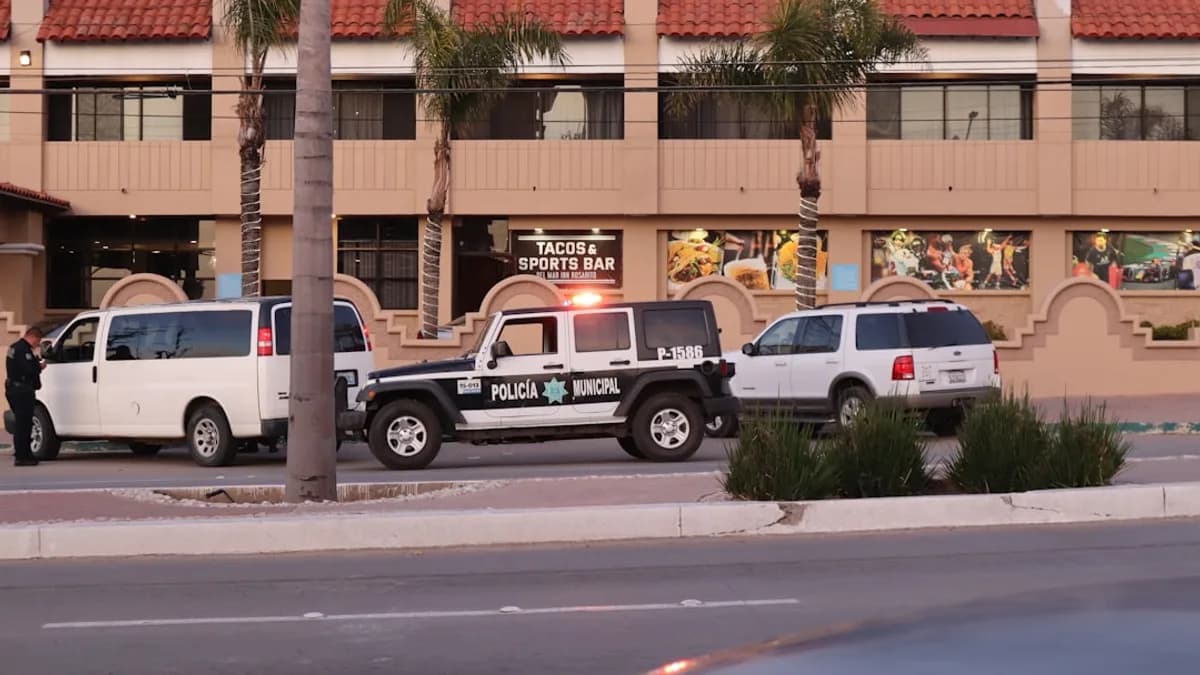
The deadly crash happened in Chihuahua, a large state close to the US border. Reports say the Americans were returning from a counternarcotics mission when their car rolled over on a highway [Source: Google News]. Mexican officials found the wreck and saw the US officers had died. Some Mexican police were also injured.
The exact cause of the crash is still under investigation. Both US and Mexican governments sent teams to look at the scene. So far, they haven’t said if roads, weather, or other drivers played a part. The US Embassy in Mexico City confirmed the victims were CIA officers but did not share details about their mission.
Some news outlets said the operation targeted drug traffickers in the area, but officials did not give names or say what was found. Mexican President Andrés Manuel López Obrador said he did not know about the mission until after the crash. The US government promised to help with the investigation and keep Mexican officials updated.
Political Reactions: Mexican Government’s Demand for Explanation
Mexico’s President and Mexico City Mayor Claudia Sheinbaum asked for a full explanation from the US about the crash and what the CIA officers were doing [Source: Google News]. President López Obrador said he was surprised by the mission and wanted to know if his government was properly told. He stressed the need for “full transparency” and warned against secret operations.
Claudia Sheinbaum, who is running for president herself, said the US must respect Mexico’s laws and share information about any foreign agents in the country. She called for better communication and said the Mexican people deserve to know what happened.
Many Mexican politicians and citizens questioned why US officers were there and if their work breaks Mexico’s rules. Some worry the US could act on its own, without telling Mexico. Others said the crash shows how risky drug enforcement is, and why both countries must be careful.
This demand for answers could make talks between the US and Mexico tense. Mexican leaders want to keep control of their own security and avoid outside influence. At the same time, they know the drug war is too big for one country alone.
Analysis: Implications for US-Mexico Security Cooperation and Counternarcotics Strategy
This crash could slow down joint operations for a while. Both countries will likely review their rules for sharing information and working together. US covert operations—the kind the CIA runs—are always sensitive. Mexico does not always like US agents acting in its territory, especially without full notice.
The US spends over $3 billion a year on counternarcotics efforts in Latin America, with a big chunk going to Mexico. The two countries swap intelligence, run joint task forces, and sometimes do training together. But trust is fragile. Past incidents, like the 2011 shooting of US agents, led to tighter controls and more paperwork.
After this crash, the US may need to tell Mexico more about its missions. Mexico could ask for fewer foreign agents or more oversight. The US might also rethink how it sends officers into dangerous areas. Some experts say this could mean more use of drones, surveillance tech, or working with vetted Mexican units instead of direct action.
Drug cartels in Mexico are smarter and richer than before. They use encrypted phones, hidden tunnels, and even drones to move drugs. Fighting them needs sharp intelligence and fast moves, but mistakes can cost lives. If the US and Mexico stop sharing information, cartel leaders could get stronger.
The crash also highlights the risks for American officers in Mexico. Some must work undercover, and their jobs are secret. But accidents, violence, or gaps in communication can bring tragedy. The US government may review how it trains officers, what safety rules they follow, and how much they depend on Mexican partners.
Some politicians in Mexico want to limit US involvement. They argue that foreign agents should never act alone. Others say the drug problem is too big and needs all the help possible. US officials face a tough job—balancing secrecy, safety, and trust.
This event may spark talks about new policies. The US could push for more joint planning and open lines of communication. Mexico might demand more control over foreign missions. Both sides must weigh the risks and rewards of working together. The outcome could shape how the drug war is fought for years to come.
Conclusion: What This Incident Means for Future US-Mexico Relations and Security Efforts
The crash that killed two CIA officers in Mexico is a wake-up call for both countries [Source: Google News]. It shows the dangers of counternarcotics work and the need for clear rules and trust. Mexico’s demand for answers could lead to changes in how the US shares information and runs operations.
Going forward, both sides must find ways to cooperate while respecting each other’s laws. Strong ties are key if they want to fight drug crime and keep people safe. This tragedy may push leaders to make new agreements, improve safety, and talk more openly about missions.
For now, the drug war remains a tough challenge. The US and Mexico must keep working together, but with more care and transparency. The next steps will shape their partnership and the fight against cartels for years to come.
Why It Matters
- The deaths highlight the dangers faced by US intelligence officers working abroad, especially in violent regions like Mexico.
- This incident could strain US-Mexico cooperation on counternarcotics efforts due to questions about transparency and coordination.
- The tragedy draws attention to the ongoing challenges and risks of fighting drug cartels, which affect security on both sides of the border.