Introduction: Tragic Loss of CIA Agents in Chihuahua Car Crash
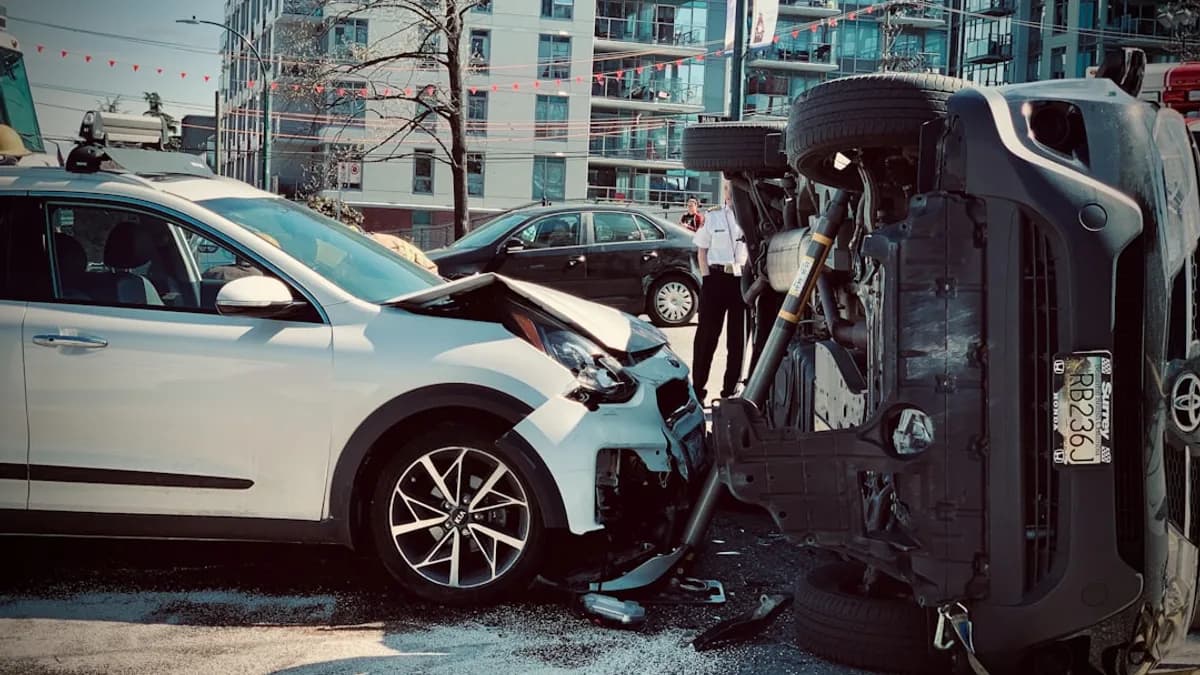
Two CIA agents died in a car crash in Chihuahua, Mexico, right after a drug raid. They were not just tourists or regular officials. They had just finished a counternarcotics mission, trying to fight drug cartels along the border [Source: Google News]. Their deaths are more than a sad headline—they raise tough questions about how the US fights drugs outside its borders, and how much risk American agents face in places like Mexico. The crash happened after a high-stakes operation, making it even more important to look at what went wrong, and what it means for the future. This story is about more than one bad accident. It’s about the balance between secrecy and safety, and the real cost of covert operations far from home.
Examining the Role of CIA Agents in Foreign Drug Enforcement Operations
The US government sends intelligence operatives abroad to help fight drug trafficking. In recent years, the CIA has played a bigger part in supporting counternarcotics efforts, especially in places like Mexico. These agents help local police and share tips about cartel activity. Sometimes, they even join raids or track dangerous targets.
But working in foreign countries is risky. CIA agents deal with threats from drug gangs, corrupt officials, and tricky roads—literally and figuratively. In Mexico, cartels are powerful and can spot outsiders quickly. The agents must hide their identities and work in secret, which makes accidents like this one hard to explain.
There are blurry lines between intelligence work and law enforcement. CIA agents are trained to gather information, not chase criminals. But when they join counternarcotics missions, they step into a world where guns, violence, and sudden twists are common. The crash in Chihuahua shows how dangerous these jobs can get. It also makes us ask if US intelligence should be so involved in hands-on missions, or stick to supporting roles.
For example, in the past, the US sent DEA agents to work with Mexican police. But the CIA’s role is usually more hidden. As drug cartels get smarter and more violent, the US looks for ways to keep up. Sometimes, this means putting agents in harm’s way. The line between spying and policing gets thinner every year.
The Impact of the Incident on US-Mexico Security Cooperation
This crash could change how the US and Mexico work together on security. Mexico wants answers about the accident and the CIA’s role in the drug raid [Source: Google News]. When foreign agents die on Mexican soil, it puts pressure on both governments. People wonder if the mission was safe, if the agents had the right clearance, and how much Mexico knew about their work.
US-Mexico relations are already tense because of cartel violence and questions about trust. Both countries need each other to fight drugs, but there are limits. Sometimes, Mexico does not want US agents doing too much. They worry about sovereignty and secrets. After this crash, Mexico’s demand for transparency could lead to new rules about how US intelligence operates there.
The US embassy has been involved in explaining what happened, but details are scarce. Was the crash just a bad road, or something related to the mission? Mexican officials are sensitive about foreign intelligence activity. Past incidents, like the killing of DEA agent Enrique “Kiki” Camarena in 1985, changed US-Mexico cooperation for years. This crash may not be as big, but it still matters.
If both sides can’t agree on how to handle these risks, future joint operations may slow down. Some experts say more open talks are needed, so everyone knows what to expect. Others worry that too much secrecy hurts trust. The crash is a reminder that fighting drugs together is never simple.
Assessing Accountability and Transparency in Covert Operations
We know very little about what the CIA agents were actually doing before the crash. This lack of information is common in intelligence work. Missions are kept quiet to protect agents and plans. But when something goes wrong—especially with deaths—people want answers.
Secrecy can be good for safety, but it can also cause problems. When governments don’t share details, it breeds suspicion. Mexico wants more facts about the crash. US officials are careful with what they say. This makes it hard for the public, and even for allies, to feel confident about joint missions.
Oversight is key. Without it, mistakes get hidden and lessons are lost. Congress and watchdog groups have called for better control of covert operations, both at home and abroad. There should be clear rules about what agents can do, who is in charge, and how missions are checked.
In this case, the crash highlights how secrecy can hurt trust. If the US and Mexico don’t share enough, future operations could suffer. It’s a tough balance—protecting agents while being open enough to keep allies and the public on board. The answer may be more regular reviews and honest reports when things go wrong. Only then can both countries build a safer and smarter partnership.
Broader Implications for US Counterdrug Strategy and Intelligence Engagement
The deaths in Chihuahua raise big questions about America’s fight against drugs outside its borders. Should the CIA be so involved in counternarcotics missions, or should another agency take the lead? Right now, the US uses a mix of intelligence and law enforcement. This mix can be confusing, and sometimes dangerous.
Drug cartels are adapting fast. They use technology, bribe officials, and move across borders quickly. US agents must keep up, but that means more risk. In some cases, intelligence agencies like the CIA step in because local police need help. But with every mission, the chance for trouble grows.
Some experts say the US should write clearer rules for who handles what. The DEA has experience fighting drugs, while the CIA is trained for information gathering. When both groups work together, there should be clear plans and safety checks. This could mean new laws or better training.
Policy shifts could also focus on working with local partners more closely. Instead of sending agents into dangerous places, the US could help Mexican police with tools, money, and advice. This lowers risk and builds trust. But it’s not easy—cartels are strong, and local corruption is a problem.
The crash in Chihuahua is a warning. If the US wants to keep fighting drugs abroad, it needs safer ways to do it. Clear roles, better oversight, and smarter partnerships may help. Reform won’t fix every problem, but it could keep agents safer and make missions more effective.
Conclusion: Navigating the Complexities of Covert Operations in Hostile Environments
The deaths of two CIA agents in Mexico are a stark reminder of the real risks in fighting drug cartels abroad. This crash has raised questions about secrecy, safety, and the future of US intelligence in foreign counternarcotics missions. Balancing the need for hidden work with the need for openness is tough, but it matters for trust and success.
The US and Mexico must talk openly about how they handle joint operations. Clear rules and honest communication will help both sides work together and avoid mistakes. As drug threats grow, the US needs to rethink how it uses intelligence agencies—and make sure agents are safe, missions are clear, and partners are respected. The tragedy in Chihuahua should spark new ideas, not just sorrow. If leaders act wisely, future missions could be safer, more effective, and more trusted by everyone involved.
Why It Matters
- The deaths highlight the significant risks faced by US intelligence agents working in foreign counternarcotics operations.
- This incident raises questions about the role and safety protocols of CIA personnel in hands-on drug enforcement missions abroad.
- It underscores the ongoing dangers and complexities of the US fight against drug cartels outside its borders.