Introduction to the Fatal Incident Involving US Officials in Mexico
Two US officials died after a car crash in Chihuahua, Mexico. Early reports say both were CIA agents who had just finished a drug raid. The crash happened as they were leaving the scene. US and Mexican authorities are now looking closely at what went wrong and what the agents were doing just before the accident. This news has sparked big questions about the role of US intelligence in Mexico's fight against drugs. Mexican leaders want answers, and US officials are working to explain what happened and why the agents were there [Source: Google News].
Details of the Counternarcotics Operation and the Crash
The two CIA agents were part of a counternarcotics team working with Mexican forces. Their mission was to target a major drug cartel in the Chihuahua region. This area is known for violent clashes between gangs and police. The raid aimed to stop drug shipments heading north, mostly toward the US. According to reports, the operation had finished and the agents were heading back when their car crashed on a remote road. Local police say the accident happened near the town of Ojinaga, close to the Texas border. The road is rough and often used by smugglers.
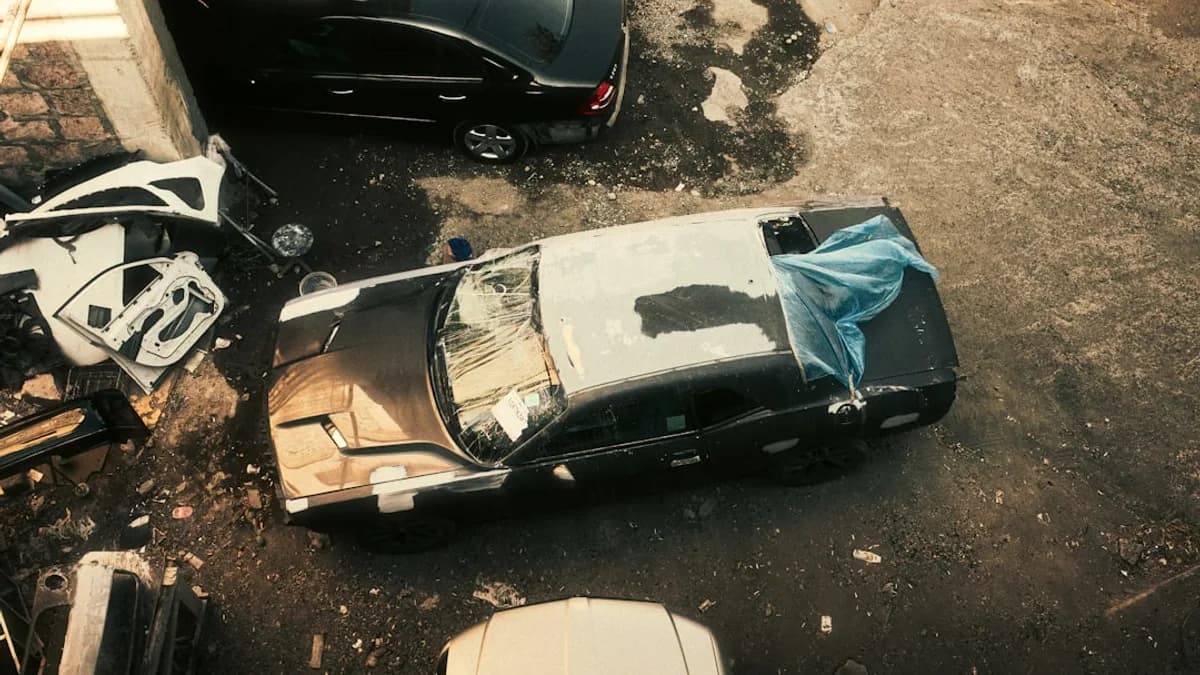
Both agents were riding in an SUV with Mexican counterparts. The car lost control and flipped after hitting loose gravel. Rescue crews arrived quickly, but the two Americans died at the scene. Mexican officers in the car survived, but some were hurt. The CIA has not released the names of the agents, but sources say they were experts in fighting cartel operations and had worked in Mexico before. Their main job was to gather information on cartel leaders and help plan raids. Officials say the team was trying to disrupt a group known for moving fentanyl and cocaine across the border.
This crash came after a tense week in Chihuahua, where several drug raids had led to shootouts. US agents often work with Mexican police in these operations, sharing tips about cartel movements and hidden drug labs. But the risks are high. Many roads in the region are dangerous, not just because of the cartels, but also because of poor conditions and bad weather. Some experts say the crash could have been avoided with better planning or safer routes. Others point out that agents sometimes rush to leave after raids to avoid retaliation [Source: Google News].
Official Responses and Demands for Transparency from Mexico and the US
Mexico City’s mayor, Claudia Sheinbaum, quickly asked US officials to explain why CIA agents were in Chihuahua. She says Mexico needs full details about the mission and the accident. Mexico’s government has called for an investigation to make sure rules were followed and to check if the agents had proper permission. US officials confirmed that the deceased worked for the CIA and were helping with a joint counternarcotics operation. The US embassy in Mexico City said they are working with Mexican authorities to get all the facts.
Both sides want answers, but tensions are rising. Some Mexican politicians worry that US agents have too much freedom to operate inside Mexico. They say there must be clear rules about who can join raids and what information is shared. The US State Department promised to cooperate with the investigation and share details as they come in. Diplomats from both countries are now talking about how to handle future operations so accidents like this don't happen again.
People in Mexico and the US are watching closely. Calls for transparency and trust are growing, especially after recent problems with joint anti-drug efforts. Leaders say they must find out if the agents followed the law and if the operation was safe for everyone involved [Source: Google News].
Contextualizing the Risks of US Intelligence Operations in Mexico’s Drug War
US agents have worked in Mexico for decades, helping with drug raids and intelligence gathering. The fight against cartels is tough. Cartels use violence, bribery, and threats to protect their business. US officials often join Mexican police to track shipments and arrest cartel leaders. But these missions are risky. Agents face threats from both criminals and corrupt officials. There have been cases where US agents were attacked or kidnapped during operations. In 2011, an ICE agent was killed in San Luis Potosí while driving with a fellow officer. That case showed how dangerous Mexican roads can be for outsiders.
The US sends millions of dollars each year to help Mexico fight drug crime. This includes training, gear, and intelligence. But trust between the two sides is sometimes shaky. Some Mexican leaders worry about US spies working on their soil. They fear the US could use these missions to gather secret information or influence local politics. Both countries depend on each other to fight the drug trade. Drugs like fentanyl and meth flow from Mexico to the US, leading to thousands of deaths each year.
US intelligence agents play a big role in tracking cartel leaders and mapping drug routes. They use drones, satellites, and informants to get tips. But working in Mexico is not easy. Cartels often have spies inside police forces and can spot outsiders. Agents must be careful not to draw attention or get caught in crossfire. Many US agents try to blend in, using local cars and clothes to avoid standing out. Still, accidents and attacks are common. The crash in Chihuahua is the latest reminder of these risks.
This incident also shows the limits of US-Mexico cooperation. When accidents or violence happen, both sides must deal with public anger and questions about safety. Some experts say the US should rethink how it sends agents to Mexico. They suggest more training, better planning, and stricter rules about who joins raids. Others argue that stopping the drug trade requires bold moves and close teamwork. History shows that small mistakes can lead to big problems in joint operations. Every mission has risks, and both governments must weigh them carefully [Source: Google News].
Implications for US-Mexico Relations and Future Counternarcotics Collaborations
The deaths of the CIA agents could change how the US and Mexico work together. Some Mexican politicians want tighter controls on US intelligence teams. They say Mexico must know who is involved in every operation. This could slow down future raids or limit information sharing. US officials may also rethink how they send agents to dangerous areas. They might demand better roads, safer cars, or new rescue plans.
Trust is a big issue. If Mexican leaders believe the US broke rules or hid details, they might push back against joint missions. On the other hand, the US could ask for clearer agreements about safety and oversight. These talks could lead to new rules for counternarcotics teams. Both sides know that stopping the drug trade is a shared job. But the crash may push them to be more careful and open with each other.
Public reaction matters too. People in Mexico often worry about foreign agents working in their country. They fear outside help could bring new risks or cause more violence. In the US, some lawmakers want answers about how agents are picked and protected. If there are more accidents or problems, both governments could face tough questions. Policy changes might follow, like new limits on joint raids or stricter checks on agent travel.
Still, many believe the fight against cartels must go on. The drug trade is strong and deadly. Both countries need each other to stop smugglers and protect their people. This tragedy could make teams more careful, but it is unlikely to end US-Mexico cooperation. Instead, it may force leaders to rethink how they work together and keep agents safe [Source: Google News].
Conclusion: The Need for Transparency and Continued Cooperation Amidst Tragedy
The deaths of two CIA agents in Mexico have raised big questions about how the US and Mexico fight drug crime together. Both governments have promised to find out what happened and share the facts. Leaders say transparency is key, and they must learn from this accident to stop future tragedies. The investigation will look at the mission plan, the rules for joint teams, and how agents are protected.
Looking ahead, this case could change how both countries work together. It might lead to new safety rules, clearer agreements, or better training for agents. But the fight against cartels will keep going. The drug trade is too strong for either side to stop alone. To make progress, both must cooperate openly and safely. The crash is a sad reminder of the risks, but it could also help both sides do better, learn more, and protect their teams in the future.
Why It Matters
- The deaths highlight the risks US intelligence agents face during counternarcotics operations in Mexico.
- This incident raises questions about the extent of US involvement in Mexico's fight against drug cartels.
- The crash may affect future cooperation and operational protocols between US and Mexican authorities.