Introduction: Context and Significance of the Strait of Hormuz
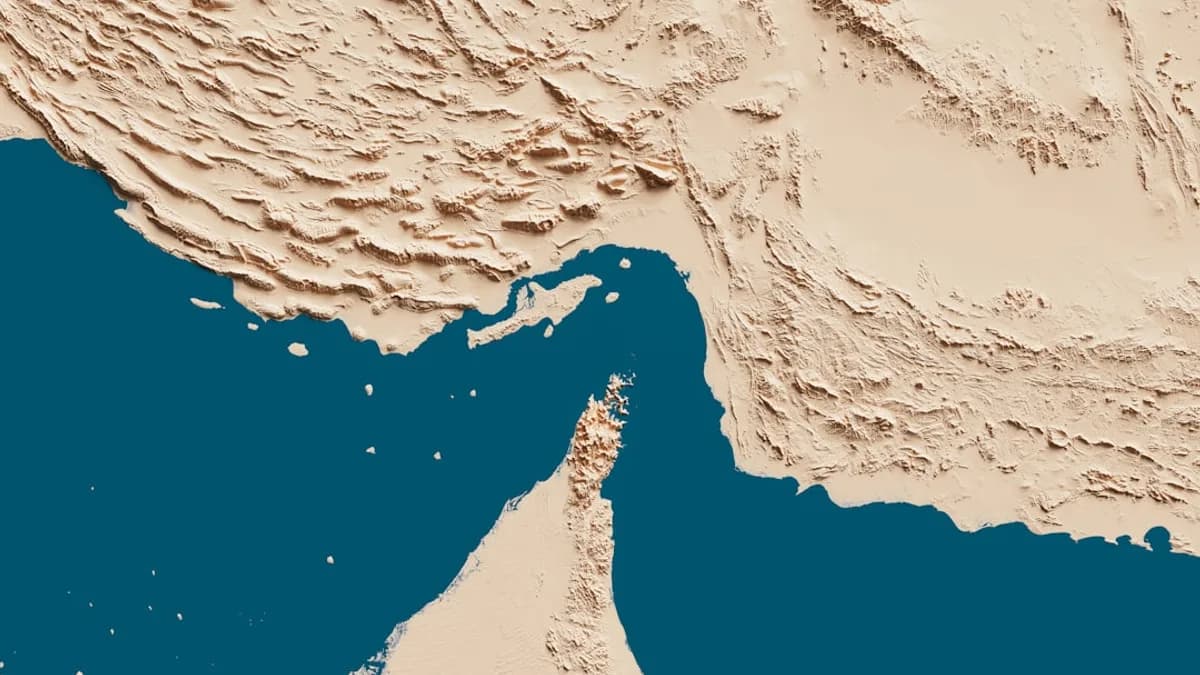
The Strait of Hormuz, a narrow waterway linking the Persian Gulf with the Gulf of Oman and the Arabian Sea, is one of the world’s most critical maritime chokepoints. Roughly a fifth of global oil consumption—over 20 million barrels per day—passes through this strait, making its stability a linchpin of international energy security. In recent days, the United States has announced plans to initiate a naval blockade of Iran’s ports and implement a partial blockade of the Strait of Hormuz. These measures are intended as a response to failed diplomatic efforts and escalating tensions with Iran. The situation has drawn global attention, with China urging all parties to exercise restraint and backing renewed diplomatic talks to prevent a further deterioration of regional security [Source: Source]. As the standoff intensifies, the actions taken in the Strait of Hormuz carry significant implications not only for the countries directly involved, but for the entire global economy.
Geopolitical Stakes: US, Iran, and China’s Strategic Interests
The US decision to pursue a blockade of Iranian ports and the Strait of Hormuz underscores Washington’s intent to exert maximum pressure on Tehran. The objectives are multifaceted: to constrain Iran’s capacity to export oil, disrupt its economic lifelines, and curb its regional influence, especially in light of ongoing concerns over Iran’s nuclear ambitions and support for proxy groups in the Middle East [Source: Source]. By leveraging its formidable naval presence, the US aims to send a clear message regarding the costs of continued confrontation with the West.
For Iran, the blockade represents both a direct threat to its sovereignty and a serious economic challenge. The Iranian government has warned that any attempt to restrict its access to international waters would be met with resistance, including the potential use of asymmetric tactics such as mine-laying or harassment of commercial shipping. Iran’s past statements have framed the security of the Strait as a red line, suggesting that any military escalation could quickly spiral into a broader conflict threatening regional stability [Source: Source].
China, meanwhile, occupies a unique position in this strategic equation. As the world’s largest importer of oil, much of which transits the Strait of Hormuz, China’s energy security is directly at risk from any disruption. However, Beijing’s interests are not limited to economic concerns. China has consistently advocated for restraint and dialogue, positioning itself as a diplomatic actor capable of mediating tensions. This approach aligns with China’s broader foreign policy objectives: preserving stable energy flows, reducing the risk of US-led coalition actions that could set precedents for future blockades, and asserting its role as a responsible stakeholder in global affairs [Source: Source].
Military and Economic Implications of a Blockade
Militarily, the US Navy’s operations in the Strait of Hormuz would likely involve a combination of port blockades, maritime interdiction of Iranian vessels, and mine-sweeping missions to ensure the safe passage of non-Iranian shipping. The US possesses significant capabilities in mine countermeasures and sea control, but the confined and congested waters of the Strait present operational challenges. Any confrontation with Iranian naval or paramilitary forces could rapidly escalate, increasing the risk of miscalculation and unintended clashes [Source: Source].
Economically, the prospect of a blockade has already sent shockwaves through global energy markets. Even the perception of instability in the Strait can trigger volatility in oil prices, as traders factor in the possibility of supply disruptions. Analysts warn that a sustained interruption of shipments through the Strait could lead to significant price spikes, impact energy-dependent economies, and undermine the fragile post-pandemic recovery. The risks extend beyond oil: liquefied natural gas (LNG) exports from Qatar and other Gulf states also transit the Strait, amplifying the potential for broader energy shocks [Source: Source].
Moreover, the threat of escalation raises concerns for maritime security. Commercial shipping could become collateral or direct targets in any military exchange, as seen in previous incidents of vessel detentions and sabotage. Insurers could hike premiums or refuse coverage for ships transiting the area, further increasing costs and logistical challenges for global trade [Source: Source].
China’s Diplomatic Stance and Call for Talks
Against this backdrop, China’s call for restraint and renewed dialogue reflects both immediate self-interest and long-term strategic calculation. Public statements from Beijing have urged all parties to avoid actions that would exacerbate tensions, emphasizing the need for diplomatic solutions over military confrontation [Source: Source]. China’s position is rooted in its status as the primary external stakeholder in the uninterrupted flow of Gulf energy, but it also mirrors its broader philosophy advocating non-interference and multilateralism in regional disputes.
China’s preference for talks over force is consistent with its efforts to deepen economic ties in the Middle East and enhance its diplomatic presence. Over the past decade, China has signed comprehensive cooperation agreements with both Iran and Gulf Arab states, seeking to balance relations across the region. By urging restraint and offering to facilitate negotiations, Beijing aims to position itself as a neutral arbiter, capable of de-escalating crises that threaten not only its own interests but also those of the global community [Source: Source].
The effectiveness of China’s mediation efforts remains to be seen. While Beijing has the economic leverage and diplomatic channels to influence both Washington and Tehran, any breakthrough will depend on the willingness of the primary antagonists to compromise. Nonetheless, China’s active engagement adds a new dimension to the evolving balance of power in the Middle East.
Broader International Reactions and the Path Forward
The US blockade and heightened tensions with Iran have elicited strong reactions from other international actors. The European Union has expressed concern about the risk to freedom of navigation and has called for renewed diplomatic engagement to resolve underlying disputes. Gulf Arab states, while wary of Iran’s actions, are also acutely aware of the dangers posed by military escalation so close to their own shores [Source: Source]. Russia has condemned the US approach as destabilizing and has signaled support for multilateral talks.
There is growing consensus among key global players on the need to avoid open conflict and prioritize diplomatic channels. Several states have proposed convening an emergency session of the United Nations Security Council to address the crisis and consider mechanisms for de-confliction. The possibility of a new round of negotiations—potentially involving not only the US and Iran but also China, Russia, and European powers—remains on the table, though mutual trust is in short supply [Source: Source].
Beyond the immediate crisis, the standoff raises profound questions about the future of international maritime law and the principle of freedom of navigation. The use of blockades and military force to resolve disputes in such a vital waterway could set dangerous precedents, undermining the rules-based order that has governed global commerce for decades. The outcome of this confrontation will likely shape the conduct of great power competition and regional security arrangements in the years to come.
Conclusion: Navigating a High-Stakes Standoff
The confrontation in the Strait of Hormuz encapsulates the complex interplay between military strategy, diplomatic maneuvering, and economic self-interest that defines contemporary global politics. As the US, Iran, and China vie to protect their respective interests, the risk of miscalculation and escalation remains high. Yet, as China’s vocal support for restraint and dialogue demonstrates, there remain avenues for de-escalation that could avert disaster. The coming weeks will test the capacity of all sides to prioritize negotiation over confrontation, with implications that will reverberate far beyond the Persian Gulf. The choices made now will not only impact energy markets and regional stability, but also help define the contours of US-Iran-China relations and the future security architecture of the Middle East [Source: Source].