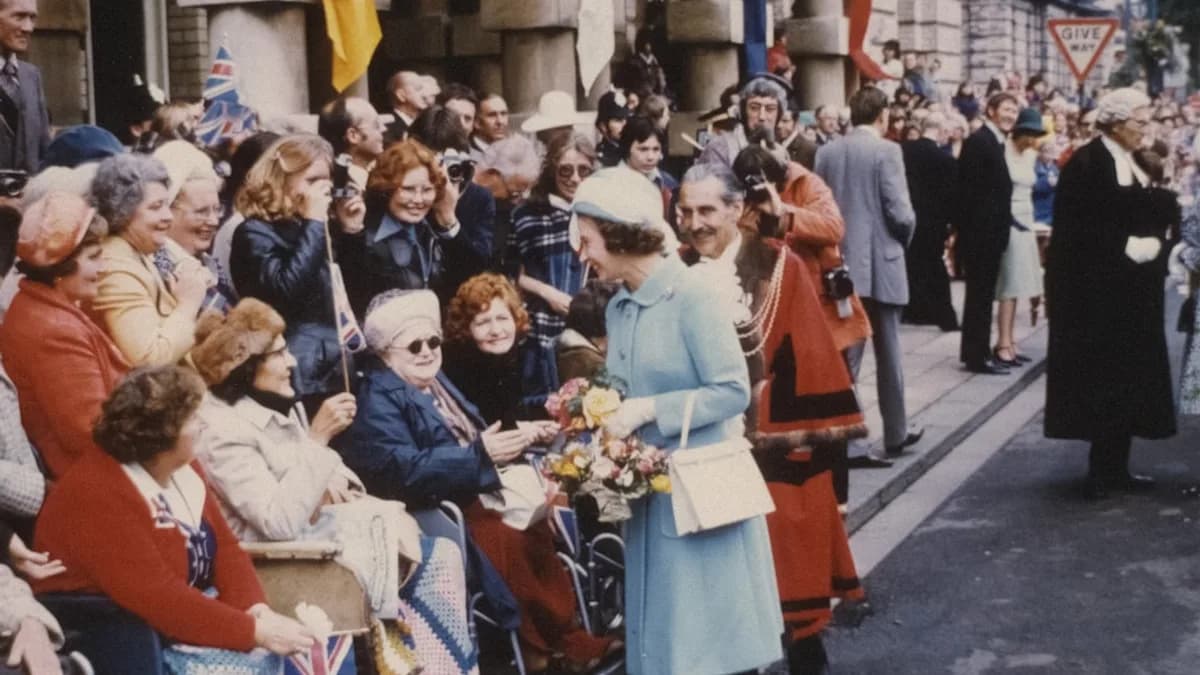
Honoring Queen Elizabeth II on Her Centenary
Queen Elizabeth II would have turned 100 years old this week. The British royal family marked the occasion with tributes and quiet remembrance. Her long reign, which lasted more than 70 years, still shapes the monarchy and the United Kingdom [Source: Google News]. The late Queen guided Britain through wars, changes in society, and the arrival of new technology. Many see her as a symbol of stability and duty. Even after her passing in 2022, her presence is still felt in royal traditions and national life. This centenary isn’t just about remembering a former monarch. It’s a moment to reflect on how one woman’s steady leadership changed a country and left a mark across the world.
Royal Family Tributes: Personal and Public Remembrances
King Charles III paid tribute to his mother, calling her his “darling mama” and sharing memories of her kindness and strength. In a statement, he said her sense of duty inspired his own work as king. Charles spoke about her wisdom in tough times and her warmth with family, showing how much he valued her guidance [Source: Google News].
Prince William and Catherine, the Prince and Princess of Wales, also honored the late Queen. They praised her “lifetime of duty,” noting how she always put service first. William shared that his grandmother taught him to listen and to care about others, lessons he hopes to pass on to his own children. Catherine mentioned the Queen’s support for families and children, highlighting her work with charities.
Other senior royals, like Princess Anne and Prince Edward, joined in the remembrance. They shared stories about the Queen’s love for horses, her quick wit, and her patience, even during stressful moments. These tributes show that, for the family, the Queen’s legacy is both public and deeply personal.
The royals made their statements on social media and at private gatherings. The tone was respectful, full of gratitude, and sometimes bittersweet. It was clear the family wanted to celebrate the Queen’s achievements but also recognize the loss they still feel.
Public and National Commemorations Across the UK
Across the UK, towns and cities held events to honor Queen Elizabeth II’s centenary. In London, a special ceremony took place at Westminster Abbey, where the Queen’s funeral had been held. The Abbey’s bells rang, and people gathered to leave flowers and notes [Source: Google News]. Many wore purple, the Queen’s favorite color.
Local councils organized memorial services, and schools taught lessons about her life. Libraries displayed books and photos, while museums set up exhibits showing her work as monarch. The BBC aired documentaries and interviews, letting viewers see the Queen’s journey from a young princess to a world leader. Newspapers ran stories about her most famous moments, from her coronation to her visits abroad.
People across Britain shared their own memories. Some talked about seeing the Queen during her visits, waving from the crowd as her car passed by. Others remembered watching her speeches on television, especially during times of crisis. Social media was filled with photos, artwork, and messages of thanks.
The mood was mixed: proud, grateful, and a little sad. For many, the Queen’s 100th birthday was a chance to look back at the country’s history and how much it had changed under her rule. It also brought people together, reminding them of values like duty, kindness, and service.
The Enduring Legacy of Queen Elizabeth II on the British Monarchy
Queen Elizabeth II’s reign changed the monarchy in ways that still matter today. She took the throne in 1952, a time when Britain was recovering from World War II. The country was shrinking as its empire faded, and the world was becoming more connected. The Queen helped the monarchy stay relevant by opening up to the public and using new technology, like television and radio, to speak directly to people.
She set strict standards for royal behavior. Her “never complain, never explain” motto meant the family kept private matters out of public view. This helped keep the monarchy respected, even as scandals and criticism grew. The Queen also modernized royal events, making them more open and less formal. For example, she allowed TV cameras into her coronation, letting millions watch from home—a big change at the time.
Her work in public service was unmatched. The Queen carried out over 21,000 official engagements in her life. She supported hundreds of charities, from animal welfare to children’s health. Many of these groups still count on royal support today.
Internationally, the Queen was a skilled diplomat. She visited more than 100 countries, helping Britain build ties with old friends and new allies. Her role in the Commonwealth—an organization of former British colonies—was especially important. She saw herself not just as Queen of Britain, but as a leader for millions across the world.
Her legacy affects King Charles and the current royal family. Charles has kept many of her traditions, like garden parties and state visits. He also faces new challenges, such as public debates about the monarchy’s future and calls for change. The Queen’s steady style is a guide for how to handle tough times.
Looking back, the late Queen set a standard for royal leadership. She showed that patience, duty, and kindness can have a lasting impact. Her record of service shapes how the monarchy acts and how it is seen—both in Britain and abroad.
Global Perspectives: International Reactions to the Queen’s 100th Birthday
Commonwealth nations and world leaders sent messages of respect for Queen Elizabeth II’s 100th birthday. In Canada, Australia, and New Zealand, government officials released statements about her long service and the strong bonds she built. Leaders in Africa and the Caribbean praised her role in keeping the Commonwealth united [Source: Google News].
International media covered the centenary with stories and documentaries, focusing on the Queen’s global influence. Channels in Europe, Asia, and America showed old footage of her travels and meetings with presidents, prime ministers, and other royals. Many pointed out how the Queen was seen as a symbol of stability in a changing world.
Her diplomatic work mattered. She helped Britain stay respected even as it lost its empire. She was often the first to visit countries after tough events, bringing comfort and showing support. Her style—calm, polite, and curious—helped her build friendships and trust.
The Queen’s centenary reminded people that her impact reached far beyond Britain. Her example still guides leaders and inspires millions, from London to Lagos.
Reflecting on a Century of Influence and Duty
Queen Elizabeth II’s 100th birthday brought together themes of remembrance and legacy. The royal family, the British public, and people across the world paused to honor her life of service. The Queen’s steady leadership, sense of duty, and kindness are still relevant today.
She showed how one person can shape a country by working hard and caring for others. Her influence lives on in royal traditions, public service, and international ties. As the monarchy faces new questions about its role, the late Queen’s example offers a path forward.
Looking ahead, the royal family will need to keep adapting, but her ideas about duty and unity will stay important. For many, Queen Elizabeth II’s centenary is a reminder that history is shaped not just by big events, but by steady leadership and a lifetime of service.
Why It Matters
- Queen Elizabeth II's centenary highlights her enduring impact on the UK and global monarchy.
- Personal tributes from royal family members show how her leadership shaped generations.
- Reflecting on her legacy provides insight into the values and traditions still guiding the royal family today.