Introduction: Contrasting Perceptions of American Figures in Angola
In Angola, a striking divide exists between the admiration for an American pope and the lukewarm—often skeptical—views toward the American president. This contrast came into sharp relief during Pope Leo XIV’s recent visit, which drew massive crowds and heartfelt welcomes, while American presidents have historically received a far more reserved reception. The Pope’s journey was not merely religious; it touched deep cultural and historical chords, resonating with communities still shaped by the legacies of colonialism and the African slave trade. Understanding why an American spiritual leader garners affection, while a political one faces suspicion, requires a look at Angola’s unique history, its religious landscape, and the enduring impact of global politics. This explainer explores the roots of these perceptions, and what they reveal about Angola’s values and aspirations in a changing world.
The Pope’s Visit to Angola: Symbolism and Significance
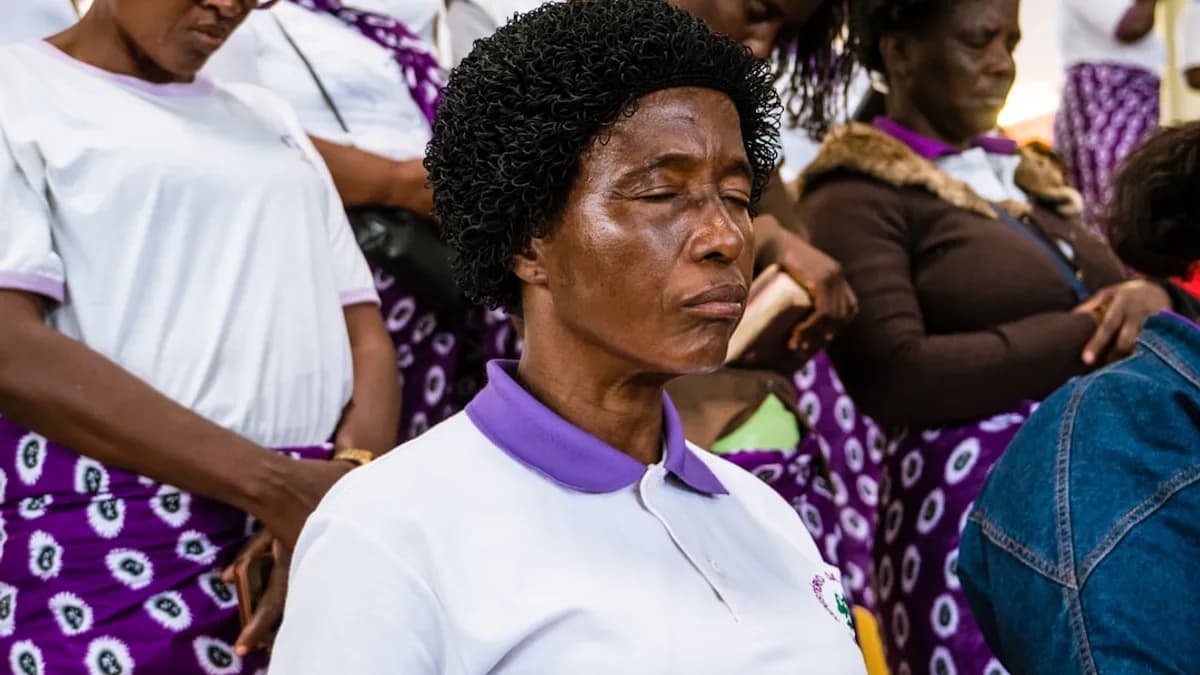
Pope Leo XIV’s arrival in Angola marked a momentous occasion, underscoring both the spiritual importance of Catholicism and the country’s place in global religious dialogues. The highlight was a mass in Kilamba, attended by tens of thousands—estimates suggest more than 100,000 worshippers, a testament to the Church’s deep roots and the Pope’s personal appeal [Source: Source]. The event was more than a religious gathering; it was a celebration of faith and unity, with the Pope delivering a message that “Jesus walks beside the Church in Angola,” reinforcing the sense of divine solidarity and hope for the nation [Source: Source].
The Pope’s itinerary included a visit to a Catholic shrine historically linked to the African slave trade. This site, once a center of suffering and exploitation, became a focal point for reconciliation and healing. By praying at the shrine, Pope Leo XIV acknowledged Angola’s painful past, offering a gesture that resonated with those seeking closure and dignity. The symbolism of this act—connecting spiritual leadership with historical reckoning—was not lost on the local population, who saw it as a meaningful step toward collective healing [Source: Source].
Beyond Angola, the Pope’s journey across Africa has highlighted Catholicism’s burgeoning influence. In Cameroon, for example, his mass drew similarly large crowds, reflecting the Church’s growing role as a source of hope, moral guidance, and social cohesion for millions across the continent [Source: Source]. The Pope’s presence in Angola was thus both a local and regional event, amplifying the Church’s message of unity and compassion.
Angola’s Relationship with the American Presidency: Political and Historical Context
Angola’s political history is complex, shaped by decades of colonial rule, civil conflict, and shifting alliances. The country’s relationship with the United States has often been defined by strategic interests rather than mutual understanding. During the Cold War, Angola became a battleground for superpower influence, with the U.S. supporting various factions in ways that left lasting scars on the national psyche [Source: Source]. Later American administrations have focused on oil, security, and trade, but these engagements have rarely translated into broad-based goodwill.
Many Angolans remain skeptical of American presidents, associating them with foreign policy decisions that have sometimes prioritized U.S. interests over African needs. Past interventions and perceived indifference to local issues have fostered a sense of caution—if not outright distrust—toward American leaders. Unlike the Pope, who arrives as a spiritual guide with messages of peace and reconciliation, the American president is seen through a political lens, often linked to power dynamics and geopolitical maneuvering.
The contrast is evident not just in policy, but in public opinion and media portrayal. Angolan media frequently report on American presidents with an emphasis on political strategy and bilateral tensions, while coverage of papal visits highlights themes of unity, compassion, and spiritual renewal [Source: Source]. This difference shapes how ordinary Angolans perceive American figures: the Pope’s role is non-political, offering solace and hope, whereas the president’s role is inherently political, sometimes evoking suspicion.
Cultural and Religious Factors Influencing Public Sentiment
Religion plays a foundational role in Angolan society, deeply influencing public attitudes and national identity. Catholicism, in particular, is woven into the fabric of community life, providing moral guidance, social support, and a sense of belonging. The Pope’s visit tapped into these values, aligning with aspirations for unity, forgiveness, and progress. His messages of compassion and reconciliation echo local traditions of communal support and spiritual resilience [Source: Source].
In contrast, political leadership—especially from foreign powers—often struggles to inspire the same trust and acceptance. Unlike religious leaders, who are seen as impartial and benevolent, politicians are viewed through the prism of history and geopolitics. The Pope’s visit fostered a sense of national unity, bringing together diverse communities in shared celebration. It provided hope, especially for young people seeking direction and inspiration. American presidents, on the other hand, are often associated with political divisions, both within Angola and internationally.
This difference underscores the impact of religious diplomacy versus political diplomacy. The Pope’s ability to transcend politics and connect emotionally with people reinforces the Church’s role as a unifying force. His presence in Angola was seen not just as a spiritual event, but as a moment of collective renewal, contrasting sharply with the often polarizing nature of political visits [Source: Source].
The Broader African Context: Catholicism’s Growth and Political Dynamics
Catholicism is experiencing rapid growth across Africa, reshaping social landscapes and offering new sources of hope and cohesion. The Church’s expansion is evident in rising attendance figures, increased community engagement, and the proliferation of Catholic institutions. These trends reflect the broader appeal of religious leadership in a continent grappling with economic challenges, political instability, and evolving identities [Source: Source].
Pope Leo XIV’s extensive travel route—sixteen flights in nine days, covering multiple countries—underscores the Church’s commitment to Africa and its recognition of the continent’s growing importance [Source: Source]. His journey brought together millions, demonstrating how religious figures can unite disparate communities in ways that political leaders rarely achieve. In countries like Cameroon, Nigeria, and Angola, the warmth shown to the Pope contrasts sharply with the more measured receptions given to political figures, including American presidents. This difference speaks to the power of religion as a unifying force, capable of bridging ethnic, linguistic, and political divides.
At the same time, the Church’s influence is not just spiritual—it has social implications, providing education, healthcare, and charitable support. In many African countries, religious institutions fill gaps left by governments, further cementing their role as pillars of society. The Pope’s journey across Africa thus reflects both the Church’s priorities and its capacity to inspire hope amid complex political landscapes [Source: Source].
Conclusion: Understanding the Nuanced Relationship Between Angola, the Pope, and the American Presidency
Angola’s affection for the American Pope, contrasted with its reservations toward American presidents, is rooted in a blend of history, culture, and spirituality. The Pope’s visit offered messages of reconciliation and unity, resonating with deep-seated values and memories, while American presidents—bound by political agendas—struggle to inspire similar warmth. Religious diplomacy, exemplified by the Pope’s journey, transcends borders and divisions, fostering hope and solidarity where political diplomacy often encounters skepticism.
For Angola, the distinction between spiritual and political leadership is more than symbolic; it shapes public sentiment and international engagement. As Catholicism continues to grow across Africa, the Church’s influence will likely deepen, offering new opportunities for dialogue and renewal. Understanding this nuanced relationship is vital for future interactions between Angola, the United States, and the Vatican, reminding us that context and history matter deeply in shaping collective perceptions and aspirations [Source: Source].