Introduction: Growing Concerns Over Trump’s Temperament Amid Global and Domestic Challenges
Many Americans now doubt Donald Trump’s ability to handle tough situations, especially as tensions rise with Iran and after a public spat with the pope. A new Reuters/Ipsos poll shows that questions about Trump’s temperament are growing louder [Source: Google News]. These worries come at a time when Trump’s approval numbers are sinking, and his way of dealing with both world leaders and U.S. issues is under fire. The Iran conflict has made some Americans nervous, while the pope dispute has added fuel to the fire. When you mix this with falling public support, the picture is clear: Trump is facing one of his hardest moments as president. These poll findings reflect not just political opinions, but real concerns about how Trump leads during crises.
Detailed Poll Insights: Americans Question Trump’s Leadership Style
The Reuters/Ipsos poll reveals that many Americans see Trump’s temperament as a problem. Only 35% of people approve of his job as president, which is a sharp drop compared to past ratings [Source: Google News]. That means almost two out of three Americans don’t like how he’s handling things right now. The poll asked about Trump’s response to the Iran conflict, and most said they don’t trust his judgment when dealing with war or world leaders.
When asked about the recent argument with the pope, a lot of people said it made Trump look less presidential. The poll shows that Trump’s approval is even lower than during earlier tough times, like the government shutdown or the COVID-19 pandemic. His numbers have slid steadily since then, and the trend looks bad.
For comparison, past presidents faced dips during wars or scandals, but Trump’s numbers are now at record lows. For example, George W. Bush’s ratings fell after the Iraq war, but not as quickly as Trump’s have in the past month. The poll also asked people if Trump’s style helps or hurts the country. More than half said his way of talking and acting makes America look weak or divided.
This shift in views isn’t just about personality. Some Americans worry that Trump’s mood swings and sharp words could lead to real trouble, especially with Iran. Others think he spends too much time fighting with world leaders, and not enough solving problems at home. With approval ratings this low, Trump faces a tough road ahead.
Impact of Economic Concerns on Trump’s Popularity
Money worries are now a big reason for Trump’s falling support. Not long ago, many Americans liked how Trump handled the economy. Today, that’s changed. According to The Washington Post, Trump’s strength on affordability has turned into a weakness. People are upset about rising prices, and they blame Trump for not stopping inflation [Source: Google News].
G. Elliott Morris reports that Trump’s approval for handling prices is at a record low of -46. This means far more people dislike his economic choices than like them. Compared to past presidents, this is one of the weakest scores ever seen. Even during tough times like the 2008 financial crisis, approval numbers for handling prices weren’t this low.
Voters tie their feelings about Trump to their wallets. When gas, food, and rent cost more, people get frustrated. They remember promises about jobs and lower costs, but now say Trump hasn’t delivered. When they see their bills go up, they lose trust in his leadership.
Economic pain often shapes elections. If people feel squeezed, they look for change. For Trump, losing the “economic edge” means he has less room to bounce back in the polls. This shift could hurt him not just now, but in the upcoming election. The link between money worries and leadership is strong, and Trump’s falling ratings show just how much this matters.
Media and Public Reactions: Diverse Perspectives on Trump’s Poll Decline
News outlets and writers have jumped in with their own takes. CNN says that Trump’s poll numbers are so bad, the “bottom could be falling out” of his support [Source: Google News]. They point out that it’s not just one issue dragging him down, but a mix of temperament and economic troubles.
The Guardian takes a different angle. They argue that Trump doesn’t seem bothered by terrible poll ratings. He often shrugs off bad numbers, saying polls don’t matter or are fake. This attitude makes him different from other politicians, who usually worry about public opinion and try to fix their image.
Media stories shape how people view Trump. When news keeps reporting on low approval and problems with temperament, it reinforces the idea that he’s struggling. Some Americans see these reports and start to question if Trump is fit to lead during tough times. Others believe the media is too harsh or biased, so they stick by Trump no matter what.
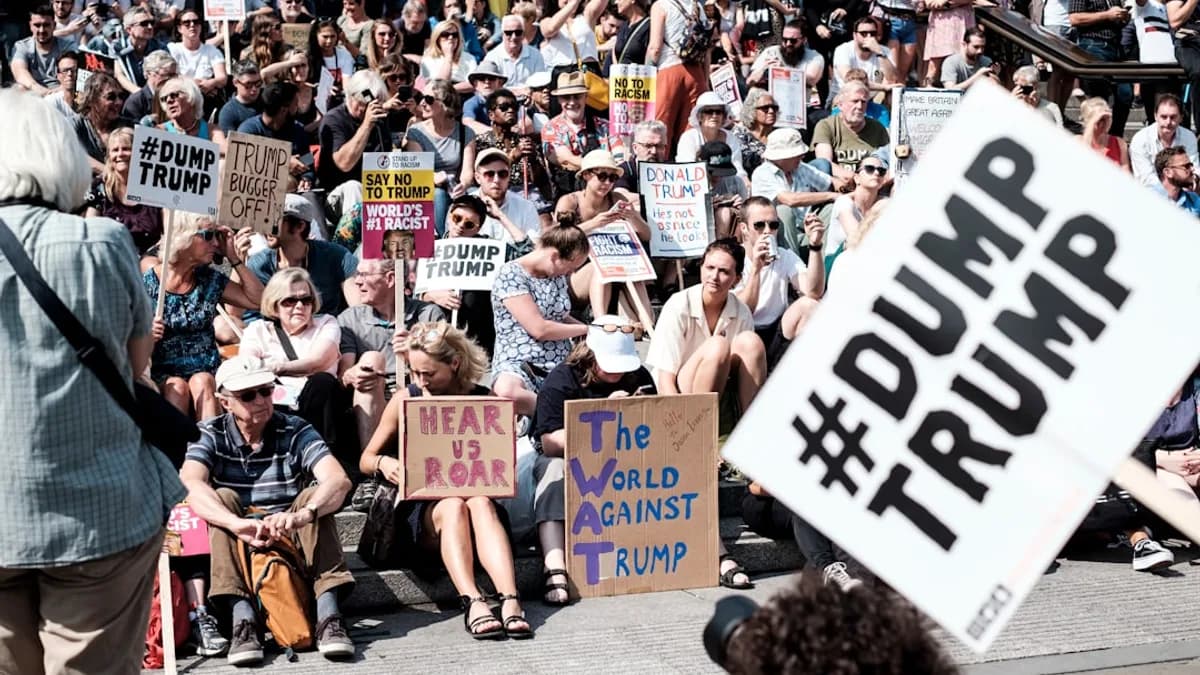
This divide shows up online and at rallies. Supporters say the media is out to get Trump, while critics point to facts and polls. The back-and-forth in news and social media makes it hard to know what’s real, but the numbers speak for themselves. Public reaction isn’t just about facts—it’s about feelings and stories, too.
Broader Implications: What Trump’s Poll Challenges Mean for Future Politics
Low poll numbers and worries about temperament could change the next election. If voters don’t trust Trump’s judgment or his way of handling money, Republicans may need to rethink their strategy. Candidates who want to win might distance themselves from Trump’s style, or promise to fix what he couldn’t.
This shift could also affect U.S. foreign policy. If leaders abroad see America as divided or unsure, they may push harder in talks or conflicts. Allies may wonder if the U.S. can make steady decisions, especially with Iran or other tough situations.
At home, these poll numbers might push lawmakers to challenge Trump more, or look for ways to help voters with money problems. If the public keeps losing faith, Congress could step in with new ideas or try to take back power.
Historically, presidents with low approval often struggle to pass laws or keep their party together. This happened to Jimmy Carter and George H.W. Bush. Trump’s situation looks even tougher, since his numbers are dropping fast and across many issues.
Looking ahead, temperament and money worries will likely stay at the center of the political debate. Both parties will need to address these concerns, or risk losing voter trust. The next election may turn on who can convince Americans they have the right mood and a plan to fix the economy.
Conclusion: Navigating a Complex Political Landscape Amid Declining Trump Approval
Polls and news stories paint a clear picture: Trump’s approval is sinking, and Americans are worried about his temperament and handling of money issues [Source: Google News]. These trends matter because they show what voters care about most—steady leadership and affordable living.
If Trump can’t turn things around, he may face even tougher challenges in the next election. For voters, the big question is whether leaders can solve real problems and keep their cool under pressure. For politicians, the lesson is simple: people want trust, steady hands, and help with their bills.
As more polls come out, watch for shifts in how Americans view Trump and other leaders. The next few months could bring new twists, but for now, temperament and money are at the heart of the story. Anyone hoping to win in politics must pay close attention to these signals—and find real answers.
Why It Matters
- Low confidence in presidential temperament can affect national stability during global tensions.
- Declining approval ratings highlight deep public concern over Trump’s crisis leadership.
- Comparisons to past presidents suggest Trump’s support is eroding faster amid controversy.