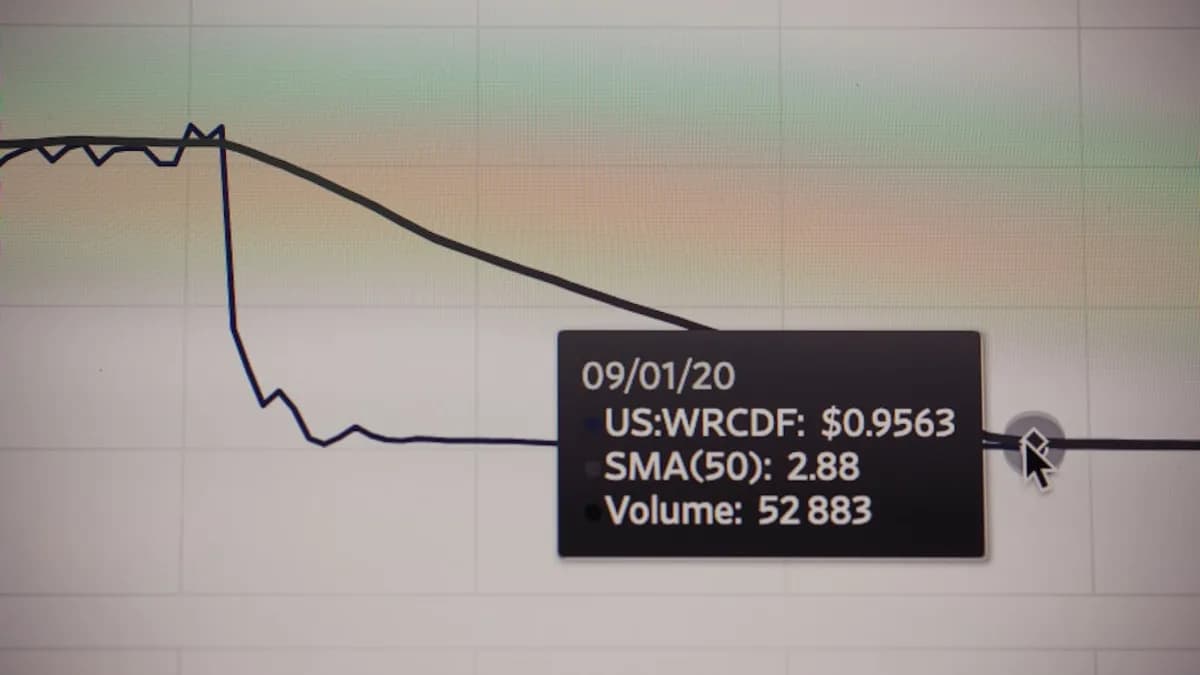
Xanadu Shares Plummet Following New Quantum Computing Listing
Xanadu’s Wall Street debut backfired as shares cratered 32% in their first hours of trading on the Nasdaq, erasing hundreds of millions in market value by midday Thursday. The Toronto-based quantum computing startup, trading under ticker XAN, saw a massive surge in volume—over 14 million shares changed hands before noon—signaling both intense interest and deep skepticism from public investors, according to Yahoo Finance.
The company’s entry into public markets was billed as a bellwether for quantum hardware, a notoriously capital-intensive sector with a long history of private funding and scant profitability. Xanadu’s offering was one of the largest quantum-focused listings in recent years, and expectations were high that it could chart a new course for deep tech IPOs. Instead, the stock sold off almost immediately after opening at $13, plunging below $9 by mid-session.
Investors reacted with a mix of curiosity and caution. The steep drop signals doubts about Xanadu’s path to revenue and profitability—an uncomfortable echo of other hyped tech listings in 2021 and 2022 that fizzled post-IPO. The market’s message is clear: show us results, not just potential.
Market and Industry Factors Driving Xanadu's Stock Decline
Xanadu’s public faceplant isn’t just about its own numbers. The quantum sector as a whole is wrestling with a credibility gap. Public investors have grown wary of companies promising world-changing breakthroughs but offering little in the way of near-term revenue. Xanadu’s own filings reveal it generated less than $10 million in revenue over the past year while burning through $60 million in cash—a mismatch that’s hard to stomach in today’s market.
Valuation concerns loom large. Xanadu’s initial pricing implied a market cap above $1.2 billion, putting it in the same league as more established quantum names like IonQ. But unlike IonQ, which reported $21.2 million in revenue for 2023 and has commercial partnerships with Amazon and Google, Xanadu is still largely pre-revenue and focused on research-stage photonic chips. That disconnect has spooked investors looking for clear commercialization paths.
The broader tech market is also flashing warning signals. The Nasdaq Composite has dropped nearly 4% over the past month amid renewed fears of higher-for-longer interest rates. Risk appetite for unproven hardware plays has evaporated since the IPO frenzy of 2021. Quantum stocks have felt the chill—Rigetti, for example, is down 70% from its debut.
Company-specific disclosure didn’t help. Xanadu warned in its prospectus that it expects “substantial operating losses for the foreseeable future” and may need to raise additional capital within 18 months. The firm’s flagship product, the Borealis quantum computer, has yet to land major commercial deals, and partnerships with cloud providers remain experimental.
Macro factors add more headwinds. Geopolitical tensions and tightening tech controls have cast uncertainty over advanced computing supply chains, especially for firms relying on photonics and specialized chip fabrication. In short, investors see more risk than reward in betting on a moonshot before the tech has proved its commercial worth.
What Investors Should Watch Next for Xanadu’s Quantum Computing Prospects
Xanadu’s next few quarters will be a test of investor patience—and management’s ability to convert hype into hard numbers. The company has flagged several upcoming milestones: the planned rollout of its 300-qubit photonic processor, a potential first for the sector, and expansion of its cloud-based quantum-as-a-service offering.
Watch the Q2 earnings call, scheduled for August, as the first real test of transparency and guidance. Analyst coverage from Goldman Sachs and Morgan Stanley is expected to launch in the coming weeks, which could add volatility but also help set consensus expectations for the stock.
Strategic partnerships could shift sentiment fast. If Xanadu lands a major deal with a hyperscaler or Fortune 500 firm, the stock could rebound. The company has signaled ongoing talks with cloud platforms and government agencies, but nothing binding has materialized yet. Investors should also scrutinize any announcements tied to regulatory grants or academic collaborations—these often signal technical validation, if not immediate revenue.
Risks are plain: dilution from additional fundraising, delays in scaling up photonic chip production, and fierce competition from better-capitalized rivals like IBM and PsiQuantum. But the upside remains: if Xanadu can demonstrate quantum advantage on real-world workloads, it could leapfrog legacy players and snare a first-mover premium.
Bottom line: Quantum computing is still in its “prove it” phase. Xanadu’s stock will be a barometer not just for its own prospects, but for the next wave of capital flowing into quantum hardware. Investors should brace for volatility but keep an eye on the handful of milestones that could turn skepticism into conviction.
⚠️ Disclaimer: This article is for informational purposes only and does not constitute financial advice. Always do your own research before making investment decisions.
The Bottom Line
- Xanadu's steep stock drop highlights investor skepticism toward quantum computing startups with limited revenue.
- The IPO underscores broader challenges facing deep tech companies in convincing public markets of their business viability.
- This event signals a shift in investor expectations, demanding clearer paths to profitability before rewarding lofty valuations.