US Treasury Flags Iran and China Sanctions Risks for Foreign Banks
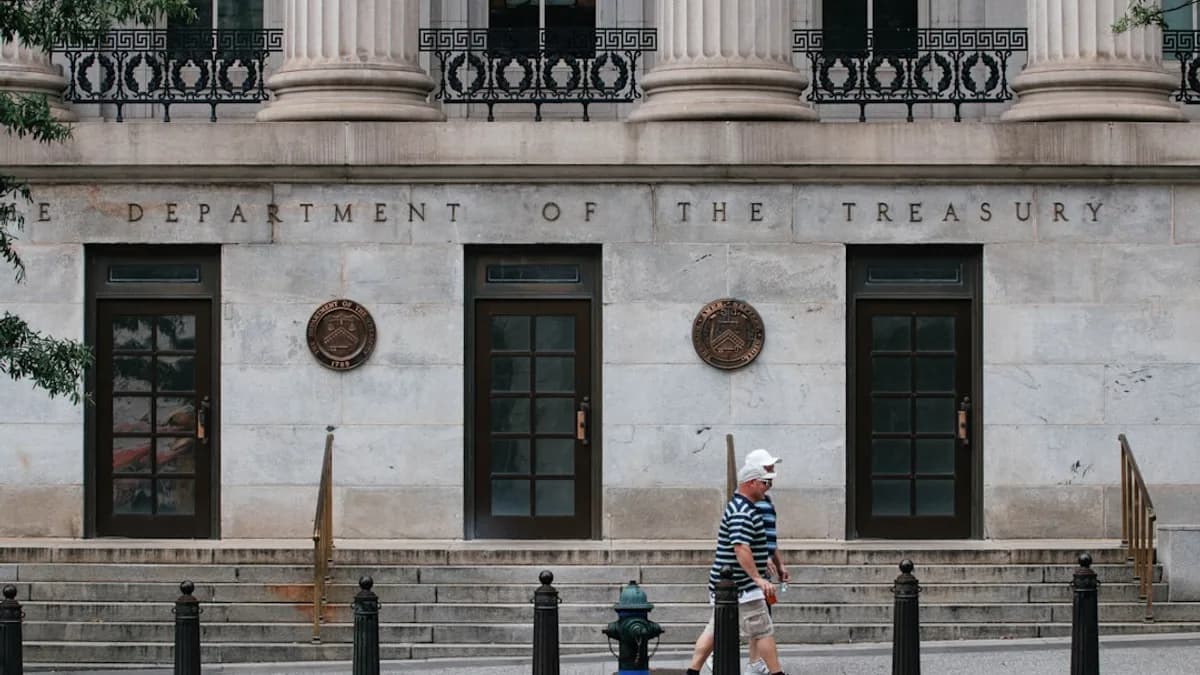
The US Treasury has warned foreign financial institutions about the risks of sanctions if they engage with Iran, citing potential links to China as well. The move signals Washington's intent to pressure global banks into cutting ties with Tehran, a step that could isolate Iran from international finance and shake up trade flows, according to CryptoBriefing.
Specifics on the warning’s timing, the precise legal risks, and the communication channels used remain undisclosed in the public source. What’s clear: the Treasury’s message is designed to deter foreign banks from facilitating transactions involving Iran, especially where Chinese connections might complicate compliance. The warning itself may have immediate chilling effects, as financial institutions weigh the costs of being caught in US enforcement crosshairs. This follows recent developments in Putin's offer to store Iran’s enriched uranium, which have increased geopolitical tensions around Iran.
Deterred Dealings: Iranian Trade Could Face New Hurdles
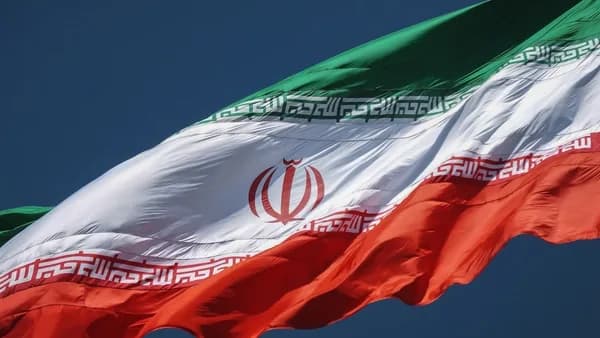
Banks worldwide now face a stark choice—maintain relationships in sanctioned markets or risk US action. The Treasury’s warning could prompt many global banks to pull back from Iranian clients, amplifying Iran’s financial isolation. For Iran, already constrained by sanctions, the threat of further exclusion from the international banking system could disrupt trade and investment.
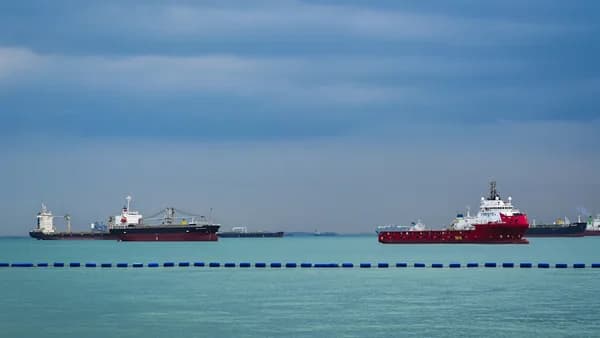
The message also casts a shadow over any financial dealings involving both Iran and China, even if the exact scope of applicable transactions is not public. Bank compliance teams will likely tighten controls, scrutinizing cross-border transactions that touch either jurisdiction. The broader implication: a single warning from Washington can send ripples through global financial networks, potentially stalling transactions and raising the perceived risk of doing business in or with Iran. This adds to the complexity of recent US naval blockades disrupting oil traffic in the Strait of Hormuz, which further impact regional trade flows.
The source does not detail how international banking and finance communities have reacted. No statements from affected institutions or trade groups are available. The lack of specifics leaves open how aggressively banks will interpret the warning—whether they will cut off all Iranian business or take a wait-and-see approach.
What Remains Unclear and What Financial Institutions Must Watch
Much is still unknown. The Treasury warning’s full text and any attached guidance for compliance have not been released. There’s no public timeline for potential enforcement or clarity on whether certain forms of trade—commercial, humanitarian, or otherwise—might be exempted or still permitted. How the warning will affect cross-border trade between Iran, China, and other world markets remains to be seen.
For now, the central fact is the US Treasury’s stated intent to deter global banks from supporting Iran-linked finance, especially where Chinese connections are involved. How far this warning goes will depend on regulatory follow-through and the risk appetite of individual banks.
The key watch item: whether major financial institutions sever ties with Iran in response, and how that shifts international trade patterns. The next signal will likely come if the Treasury moves from warnings to visible enforcement. Until then, uncertainty—and caution—will define how foreign banks approach Iran- and China-linked transactions.
Disclaimer: This MLXIO analysis is for informational and educational purposes only. It is not financial, investment, legal, tax, or professional advice. It does not provide buy, sell, hold, price-target, portfolio, or personalized recommendations. Verify information independently and consult qualified professionals before making decisions.
Impact Analysis
- The US Treasury's warning could further isolate Iran from global financial systems, impacting its trade and investment flows.
- Foreign banks risk US sanctions if they facilitate transactions involving Iran, especially when linked to China, prompting stricter compliance measures.
- Heightened enforcement threats may disrupt cross-border transactions and increase risk perceptions for financial institutions operating in sanctioned markets.