Introduction: Understanding the New US Sanctions on Iran and Their Market Impact
The US just tightened sanctions on Iran, and oil traders are watching every move. These new rules mean Iran will find it harder to sell its oil. Right away, oil prices didn’t jump as much as some experts feared. In fact, some traders think these sanctions could keep prices steady for now. The news is more than just a headline—it's a sign of how the US wants to handle trouble in the Middle East without risking a shooting conflict. This article looks deeper than the surface. We’ll break down how US sanctions shape the oil market, why they matter to global risk, and what they could mean for energy prices and diplomacy in the months ahead.
How US Sanctions on Iran Influence Global Oil Supply and Prices
US sanctions work like a gate on Iran’s oil exports. When Washington cracks down, fewer barrels of Iranian oil reach buyers around the world. Since oil is the world’s most traded commodity, even small changes in supply can swing prices up or down.
Let’s look back. When the US reimposed tough sanctions on Iran in 2018, Iran’s oil exports dropped from about 2.5 million barrels a day to less than 500,000 in 2019. That sent oil prices soaring, spiking over $80 a barrel before settling down [Source: CryptoBriefing]. But markets adapt. Other big oil producers—like Saudi Arabia and Russia—stepped in to fill the gap. This helped cool prices, though volatility stayed high.
Now, with the latest round of sanctions, the US aims to squeeze Iran’s oil income without triggering panic. There’s a reason for this careful dance: if prices rise too fast, it hurts American drivers and the global economy. But if the US does nothing, Iran gets more cash for its oil, which Washington says could fund trouble in the Middle East.
Today’s market is different from 2018. Global oil demand is shaky—China’s economy is slowing down, and Europe is using less oil. Meanwhile, US and OPEC+ producers have extra capacity. So, while tougher sanctions might shrink supply, they may not spark big price jumps right away. Instead, they could help keep prices in a narrow range, letting markets focus on business rather than war.
Geopolitical Risk Reduction: Why Sanctions Could Lower Immediate Market Uncertainty
Sanctions are not just about money—they send signals. When the US slaps new penalties on Iran, it’s telling the world it prefers economic pressure, not bombs or missiles. For oil markets, this is a relief. Traders hate surprises, especially military ones. War in the Persian Gulf could close key shipping lanes and push oil to $150 or more, like during past crises.
By choosing sanctions, the US is shifting the focus from sudden conflict to slow, measured moves. Investors can watch court cases, read sanction lists, and plan ahead. This takes the edge off wild price swings. In fact, analysts often see a dip in the “risk premium”—extra money paid for oil when war seems possible—once sanctions look like the main tool [Source: CryptoBriefing].
There’s another signal here: US foreign policy is sticking to its playbook. Sanctions show the world that Washington wants to contain Iran’s influence while leaving the door open for talks. This predictability helps companies, from oil giants to airlines, make smarter choices.
But there’s a balance. If sanctions go too far and choke off too much oil, markets could still panic. For now, most traders seem to think the US will act carefully, avoiding big shocks. This reduces short-term stress in oil prices and keeps supply chains running.
Economic Diplomacy as a Strategic Alternative to Military Escalation
Sanctions are not just tools to punish—they can also start talks. By squeezing Iran’s oil profits, the US hopes to bring Tehran to the table. This kind of pressure is meant to open doors for negotiation, not just close bank accounts.
History shows that sanctions often lead to deals. The 2015 nuclear agreement, for example, came after years of tough sanctions. When both sides saw a chance to talk, oil started flowing again—and markets calmed down. Today, the US may be hoping for a similar outcome: tough rules now, but with a path to peace later.
This focus on economic diplomacy matters for the whole region. If the US and Iran can talk, it lowers the chance of a wider war. It also gives other countries—like the European Union, China, or Gulf states—a chance to join the process. Each player has its own energy needs and security worries. Working together could mean more stable oil flows for everyone.
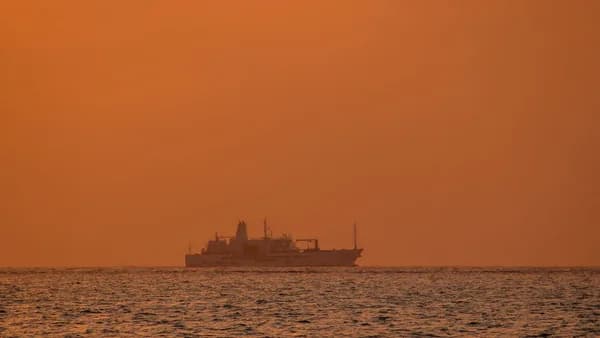
At the same time, relying on sanctions can wear thin. Iran has found ways to sneak oil out, using “ghost ships” with turned-off trackers or selling through middlemen. So, while sanctions signal a preference for talks over tanks, they work best when paired with real diplomacy. Only then can the region move toward lasting stability and predictable energy markets.
Opinion Analysis: Why Market Stability from Sanctions Is a Double-Edged Sword
On the surface, steady oil prices look like good news. But there’s a catch—if traders and politicians trust sanctions too much, they might ignore bigger risks bubbling below.
First, sanctions can hide weak spots in global oil supply. When Iranian oil is blocked, other countries must pump more. If a new crisis hits—say, a hurricane in the Gulf of Mexico or trouble in Libya—there’s less “spare” oil to cover the shortfall. It’s like driving with no spare tire. One unexpected bump, and prices could spike fast.
Second, overusing sanctions can push Iran and others to build new workarounds. As the US steps up pressure, Iran gets creative—selling oil in secret, trading with friendly countries, or setting up barter deals. These “shadow flows” are hard to track. They make the market less clear, not more. In fact, some analysts believe up to a million barrels a day move this way today [Source: CryptoBriefing]. If these flows suddenly stop or get discovered, prices could swing wildly.
Third, sanctions can strain US ties with allies. Countries like China, India, and Turkey all buy Iranian oil, directly or indirectly. When the US cracks down, it sometimes has to give these countries waivers or look the other way. This can lead to tense talks and mixed signals about who must follow the rules.
All this points to one key lesson: sanctions are not a magic fix. They can help dampen short-term shocks, but they can’t solve every problem. Smart countries use more than just sanctions—they diversify energy sources, invest in renewables, and build up reserves. Europe’s energy crunch after Russia invaded Ukraine is a clear warning. Relying too much on one tool, or one country, can backfire.
So, while the US’s new sanctions may keep markets calm now, they’re no guarantee for the future. A surprise in the Middle East, a new player in the oil game, or a sudden jump in demand could all test this fragile balance. Investors, policymakers, and everyday drivers should keep one eye on the headlines—and the other on the bigger picture.
Conclusion: Balancing Sanctions, Diplomacy, and Market Realities in a Complex Energy Landscape
US sanctions on Iran are tightening the screws, but they’re also buying time. Prices have stayed steady, and the risk of sudden war looks lower, at least for now [Source: CryptoBriefing]. But stability built on sanctions alone is shaky. Lasting peace and reliable energy need more than just pressure—they require smart talks, stronger partnerships, and backup plans for supply shocks.
Policymakers should mix strong sanctions with open diplomacy, keeping channels to Iran and other players open. For oil markets, the lesson is clear: don’t get too comfortable. Watch for new risks, look beyond the headlines, and push for energy strategies that can weather any storm. In a world where oil still powers economies, the next twist could come when least expected.
⚠️ Disclaimer: This article is for informational purposes only and does not constitute financial advice. Always do your own research before making investment decisions.
Why It Matters
- US sanctions on Iran directly influence global oil supply and price volatility.
- Steady oil prices are crucial for consumers and the world economy, especially amid uncertain demand.
- The sanctions reflect US efforts to pressure Iran financially without escalating military tensions.