

Introduction: The Fallout of the US-Iran Peace Talks Collapse
The abrupt collapse of US-Iran peace talks has sent shockwaves through global markets, underscoring the delicate balance between diplomacy and geopolitical stability. In the immediate aftermath, oil prices surged sharply, reflecting fears of disrupted supply chains, while the US dollar strengthened amid a rush for safe-haven assets [Source: Source]. These market reactions underscore the significance of the failed negotiations—not just for the parties directly involved, but for the broader world economy. The talks had been viewed as a pivotal opportunity to de-escalate tensions in a region critical to global energy supplies. Their breakdown now raises urgent questions about the future of international relations, energy security, and the resilience of financial markets in the face of renewed uncertainty.
Market Reactions and Economic Implications
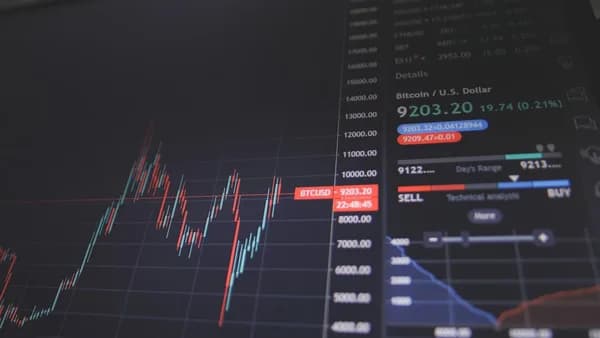
The financial markets responded swiftly and decisively to the news of the collapsed peace talks. Oil prices spiked, reflecting immediate concerns over potential disruptions to supplies from one of the world’s most important energy corridors. Benchmark crude soared, with futures hitting multi-month highs as traders priced in the risk of a prolonged conflict and restricted flows from Iranian ports [Source: Source]. This surge in oil prices is expected to ripple through the global economy, raising costs for transportation and manufacturing, and threatening to accelerate inflation in both developed and emerging markets.
Meanwhile, the US dollar rallied, as investors sought refuge in the world’s dominant reserve currency. The dollar’s strength is a classic response to geopolitical uncertainty, but it also carries implications for international trade, especially for economies with dollar-denominated debts. A stronger dollar can exacerbate financial pressures in these countries, potentially slowing global growth.
Asian markets, particularly sensitive to shifts in energy prices and geopolitical risks, opened sharply lower in response to the developments [Source: Source]. The declines in regional equities reflect investor anxieties about rising costs, disrupted supply chains, and the possibility of broader conflict. For global trade, the immediate concern is higher shipping and production costs, which could feed through to consumer prices and threaten the fragile post-pandemic recovery.
In the short term, these market movements highlight the interconnectedness of global finance and geopolitics. Over the longer term, persistent volatility in energy prices could complicate central banks’ efforts to manage inflation and growth. If tensions remain elevated, businesses and consumers may face sustained headwinds, with knock-on effects for employment, investment, and government budgets worldwide.
Geopolitical Ramifications of the US Naval Blockade
Following the failed talks, the US announced its intention to blockade Iranian ports—a move that escalates the crisis and risks further destabilizing the region [Source: Source]. This decision marks a significant shift from diplomatic engagement to military posturing, dramatically raising the stakes for US-Iran relations and the broader Middle East.
The blockade is likely to provoke strong reactions from Iran and its regional allies, heightening the risk of military confrontation. Such escalation could threaten vital shipping routes, including the Strait of Hormuz, through which a significant portion of the world’s oil flows. Disruptions here would not only impact energy markets, but could also trigger a wider conflict, drawing in other regional and global powers.
The broader global impact of this military action is difficult to overstate. Higher energy prices and volatility could undermine economic recovery efforts in Europe and Asia, while increasing the risk of supply chain disruptions. The move also signals a shift in US foreign policy, prioritizing coercion over negotiation—a strategy that may yield short-term leverage, but could undermine long-term stability.
Diplomacy has historically proven more durable in resolving such conflicts, offering pathways for mutual concessions and de-escalation. The failure of talks and the turn toward military measures underscore the need for renewed diplomatic efforts. Without dialogue, the risks of miscalculation and unintended escalation multiply, threatening not only regional stability but also the global order.
Energy Security and the Risk of a Prolonged Shock
The breakdown of US-Iran peace talks has heightened fears of a prolonged disruption to global energy supplies. With the US poised to blockade Iranian ports, the potential for a sustained energy shock is real and immediate [Source: Source]. Oil markets are particularly vulnerable, given the concentration of production and shipping in the Middle East.
A prolonged supply disruption would likely drive energy prices even higher, straining economies already grappling with inflation and post-pandemic recovery. The impact would be felt most acutely in countries heavily dependent on imported energy, where higher costs could undermine growth and exacerbate social tensions. For manufacturers and transporters, rising fuel costs would feed through to higher prices for goods and services, amplifying inflationary pressures.
The vulnerability of global markets to geopolitical conflicts in key oil-producing regions is a stark reminder of the need for diversified energy sources. In recent years, efforts to expand renewables and build strategic reserves have gained momentum, but the current crisis highlights how far there is yet to go. Energy security remains precarious, with markets exposed to the whims of political instability and the limits of military action.
There is an urgent need for governments and businesses to accelerate investments in alternative energy and reinforce strategic reserves. Diversification is not just a matter of environmental policy, but a critical component of economic resilience. The current crisis should serve as a wake-up call for policymakers to prioritize energy security, both through innovation and international cooperation.
Opinion: Navigating the Path Forward
The US response to the collapse of peace talks—shifting from diplomacy to blockade—reflects a hardline approach that risks exacerbating tensions and undermining global stability. While security concerns are legitimate, the consequences of escalating military action are likely to outweigh the benefits, especially in a region as volatile as the Middle East [Source: Source].
Diplomatic engagement, despite its frustrations, remains the most effective tool for managing conflicts and preserving stability. The failure of recent talks should not be an excuse to abandon negotiation altogether. Instead, it should prompt a reassessment of strategies and a recommitment to dialogue. Policymakers must recognize that military actions, while sometimes necessary, should be a last resort—not a substitute for sustained diplomatic efforts.
To mitigate the risks of further escalation and economic fallout, governments should seek to restore diplomatic channels, leveraging both bilateral and multilateral forums. International cooperation—particularly among major energy consumers and producers—is essential to managing supply disruptions and stabilizing markets. The United Nations and other global institutions have a critical role to play in facilitating dialogue and promoting peaceful resolutions.
Policymakers must also balance security concerns with economic stability. Measures such as building strategic reserves, promoting energy diversification, and supporting vulnerable economies can help cushion the impact of geopolitical shocks. Ultimately, the path forward requires a blend of pragmatism and principle: a willingness to engage in tough negotiations, coupled with a clear-eyed assessment of the risks inherent in military escalation.
Conclusion: Lessons and Outlook
The collapse of US-Iran peace talks has exposed the fragility of both global diplomacy and energy security. The immediate market reactions—surging oil prices and a stronger dollar—reflect the interconnected risks facing economies and investors worldwide. The decision to blockade Iranian ports signals a troubling shift toward military confrontation, raising the stakes for regional stability and global trade [Source: Source].
Moving forward, the lessons are clear: diplomacy remains indispensable, energy diversification is urgent, and international cooperation is more critical than ever. While the risks are substantial, cautious optimism and strategic engagement can help navigate the challenges ahead. The world must learn from this crisis—embracing dialogue, innovation, and resilience—to safeguard both peace and prosperity in an uncertain era.
⚠️ Disclaimer: This article is for informational purposes only and does not constitute financial advice. Always do your own research before making investment decisions.