UPS Shares Plummet Amid Unexpected Earnings Miss
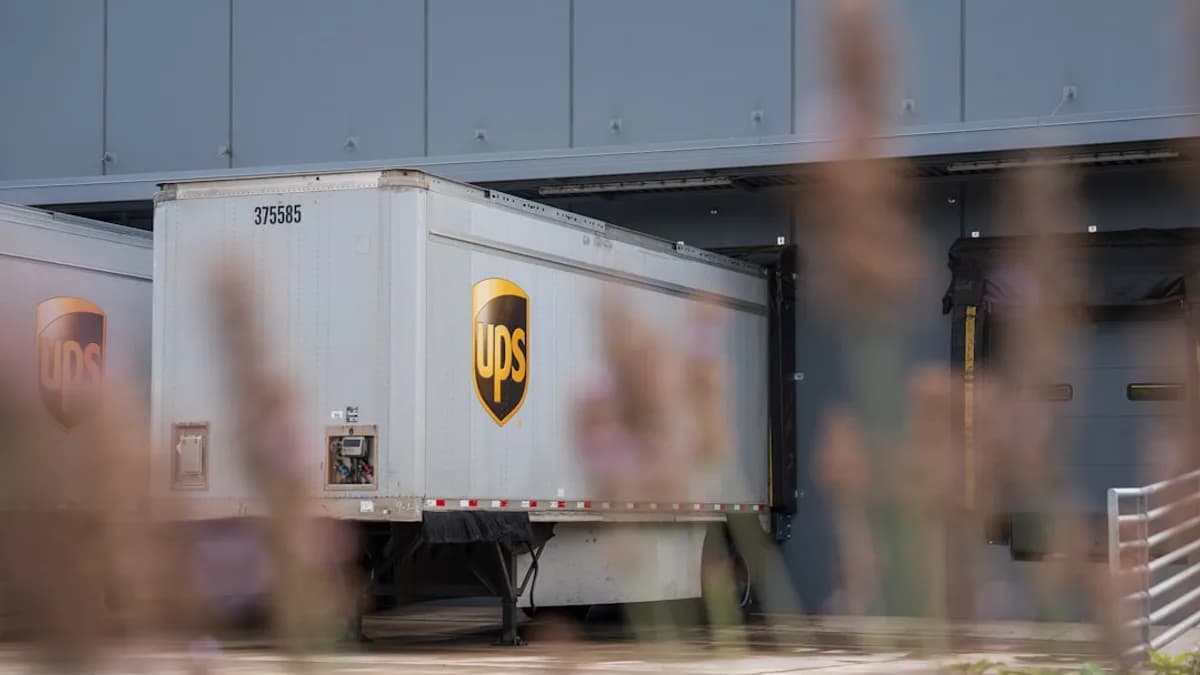
UPS stock cratered 8% on Tuesday, erasing over $10 billion in market value after the delivery giant posted Q2 earnings that blindsided Wall Street. Revenue dropped to $22.1 billion, missing consensus estimates by nearly $400 million, while adjusted earnings landed at $2.07 per share—well below analyst forecasts of $2.32, according to Yahoo Finance.
Profit margins shrank to 9.3%, down from 10.2% a year ago. The company cited weaker-than-expected U.S. package volume and international softness as culprits, but costs bit hardest: operating expenses jumped 5%, outpacing tepid revenue growth. UPS slashed its full-year guidance, now targeting revenue at the low end of its prior $92-$94 billion range, signaling little relief ahead.
CEO Carol Tomé didn’t sugarcoat the results, calling the quarter “challenging” and admitting that “persistent inflationary pressures and a soft macro environment” dragged on performance. She promised “aggressive actions to control costs,” but markets weren’t convinced—shares posted their sharpest single-day decline since the pandemic’s onset in March 2020.
Market Reaction and Immediate Impact on Logistics Sector
The sell-off rippled through the logistics sector. FedEx and XPO Logistics each slipped 2%-3% in sympathy, while the Dow Jones Transportation Average lagged the broader market. Analysts flagged UPS’s margin compression as a red flag for the entire freight and delivery space, especially with e-commerce growth moderating and business shipping volumes stuck below pre-pandemic highs.
Investors had come to expect resilience from UPS after it weathered Covid-era shocks better than most, but Tuesday’s miss shattered that narrative. Rising labor costs, driven by last year’s Teamsters contract, combined with sticky fuel and maintenance expenses, have squeezed margins more than bulls anticipated. Higher interest rates aren’t helping, either—financing costs for vehicle upgrades and network investments are up sharply from 2022.
This stumble has shaken investor confidence in the entire transportation cohort. The sector, often seen as a bellwether for economic health, now faces questions about pricing power and cost discipline. Hedge funds and asset managers dumped logistics names in heavy volume, rotating instead into sectors perceived as less exposed to cyclical consumer demand.
What’s Next for UPS: Strategic Moves and Investor Watchpoints
UPS is now in scramble mode to reassure Wall Street. Tomé announced an accelerated cost-cutting program—targeting $1 billion in savings by year-end—with a focus on automating more facilities and tightening capital spending. The company’s Q3 guidance will be crucial; investors want evidence these moves can stabilize profit margins before peak holiday season hits.
Next up: rival FedEx reports earnings in six weeks. If FedEx also posts weak results, it could confirm a broader freight slowdown, dragging sector valuations lower. UPS investors should watch domestic package volume trends, progress on automation, and labor cost containment. Any signs of stabilization—or further erosion—will likely spark outsized moves in the stock.
Longer term, UPS risks ceding ground to nimbler, tech-driven rivals if it can’t rein in costs and restore growth. Amazon’s push to expand its own delivery network looms as a structural threat, especially if e-commerce volumes stay muted. Meanwhile, regulatory scrutiny of labor practices and emissions could add new headwinds in coming quarters.
For now, the burden is on UPS to prove this quarter was a blip—not a trend. Failure to deliver a rebound will keep pressure on both its management and share price, in a sector where investors have little patience for excuses.
⚠️ Disclaimer: This article is for informational purposes only and does not constitute financial advice. Always do your own research before making investment decisions.
The Bottom Line
- UPS’s earnings miss signals deeper challenges in the logistics sector amid slowing e-commerce and rising costs.
- The stock’s sharp drop erased over $10 billion in value, affecting investors and related companies like FedEx and XPO Logistics.
- Margin compression raises concerns about future profitability for delivery giants as inflation and labor costs persist.