How UAE’s OPEC Exit Threatens Cartel Unity and Global Oil Stability
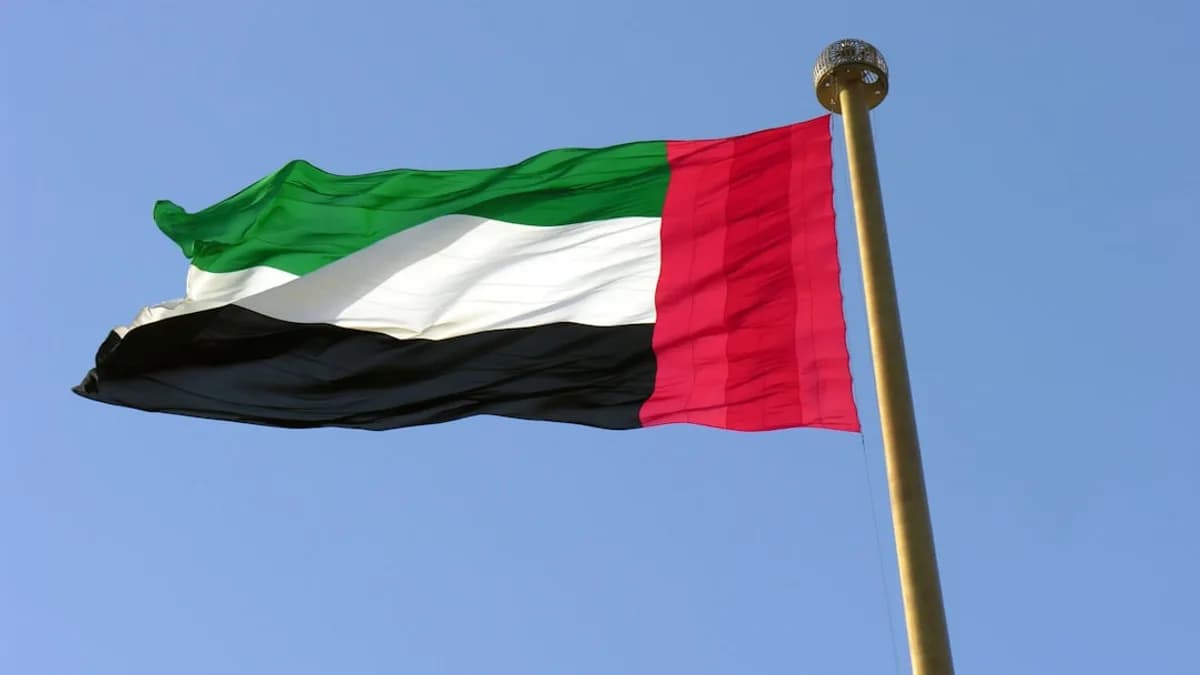
A major OPEC member walking out isn’t just a bureaucratic shake-up—it’s a shot across the bow for the entire cartel. The United Arab Emirates’ decision to leave OPEC signals a deeper rupture in the group’s ability to act as a unified force. UAE’s move wasn’t impulsive; it’s the culmination of years of friction over production quotas, national ambitions, and the cartel’s effectiveness in managing market volatility. With its nimble and technologically-advanced oil sector, the UAE has chafed under OPEC constraints that favor older, less efficient producers.
Cartel cohesion is now at its weakest since the early 2010s. OPEC’s power rests on its members’ willingness to coordinate supply cuts or hikes. The UAE’s exit fundamentally undermines this, both symbolically and practically. Once a country of the UAE’s scale opts out, smaller members may see little reason to toe the line, especially as oil prices become more volatile and national budgets face pressure.
Global oil stability is at risk. OPEC’s ability to manage supply shocks—from Middle East unrest to sanctions on Russia—has always depended on a united front. Without the UAE, the group’s production decisions lose credibility, and the market faces greater uncertainty. That means higher price swings and less predictability for everyone from refiners to central banks, according to CryptoBriefing.
Quantifying the Impact: Oil Price Trends and Market Volatility Post-UAE Exit
Oil prices didn’t wait for OPEC’s next meeting to react—Brent crude surged above $90 per barrel within 48 hours of the UAE’s announcement, marking a 7% jump from the previous week. This spike isn’t just knee-jerk speculation. Traders see a genuine risk that the UAE, which exported nearly 2.9 million barrels per day in 2023, could ramp up production outside OPEC controls, flooding the market or—if tensions escalate—holding back supply for leverage.
Supply-demand dynamics are shifting fast. OPEC’s collective output quota for 2024 was set at 28.7 million barrels per day, with the UAE capped at 3.2 million. Now, those numbers are up in the air. If the UAE boosts output by even 500,000 barrels per day, it would dent OPEC’s efforts to restrain supply, potentially driving prices down in the short term but ratcheting up volatility as traders reassess risk premiums.
Inventory levels are already tight. U.S. crude stocks fell by 4.2 million barrels in the last reporting period, and global strategic reserves remain below their five-year average after coordinated releases in 2022. Any supply disruption—whether from the UAE, ongoing tensions in the Red Sea, or further sanctions on Russian oil—could push prices above $100 per barrel, especially with demand still robust in Asia.
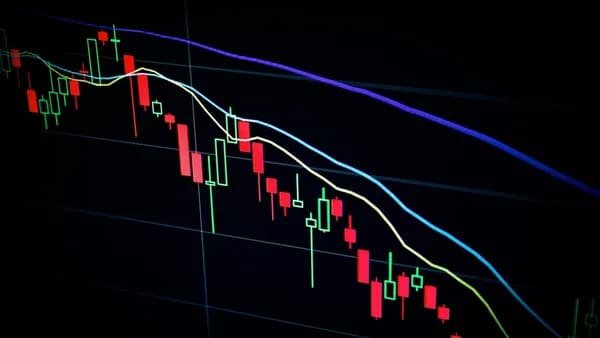
Market volatility is the new normal. The CBOE Crude Oil Volatility Index (OVX) spiked 18% after the UAE’s exit, signaling heightened uncertainty. Options premiums for Brent contracts have doubled since early June, reflecting a market bracing for supply shocks and wild price swings. The UAE’s departure has fundamentally upended the calculus for oil traders and hedgers.
Diverse Stakeholder Reactions: Perspectives from Governments, Traders, and Energy Firms
Saudi Arabia, OPEC’s de facto leader, views the UAE’s exit as a direct challenge. Riyadh has long pushed for tight quotas to prop up prices, but policy fractures have widened as member states pursue their own fiscal agendas. Kuwait and Iraq, heavily reliant on OPEC discipline to balance budgets, now face a tougher fight to keep other members from splintering.
Importing countries aren’t hiding their anxiety. China and India, both major buyers, issued statements warning against “unnecessary price disruptions,” with India’s oil ministry openly lobbying for increased supply to keep inflation in check. The EU, still grappling with energy security post-Ukraine, is quietly accelerating talks with non-OPEC suppliers and considering further releases from strategic reserves.
Energy firms are already recalibrating. BP and Shell reportedly increased their hedging activity by 25% in the days following the UAE’s announcement, betting on wider price swings and a possible supply crunch. U.S. shale producers see an opportunity: if OPEC loses grip, they can ramp up output to capture higher margins. Meanwhile, Aramco is pushing for new bilateral deals with Asian refiners to lock in demand amid uncertainty.
Traders are shifting strategies. Instead of betting on OPEC’s monthly statements, hedge funds are focusing on real-time flows and satellite tracking of UAE tankers. This marks a return to the “wild west” trading of the early 2000s, when cartel discipline was frequently questioned and price swings were routine.
Historical Lessons: Comparing UAE’s OPEC Exit to Past Cartel Disruptions
History doesn’t repeat, but it rhymes. OPEC has faced defections before—Indonesia left in 2016, and Qatar exited in 2019—but neither had the scale or geopolitical clout of the UAE. Those departures barely moved prices, as their output was modest and their motives largely diplomatic. The UAE, by contrast, is the world’s seventh-largest oil exporter and a linchpin in Gulf supply chains.
The most relevant parallel is the 1985 Saudi-UAE spat, which triggered a price war and drove oil down from $28 to $10 per barrel over eighteen months. Back then, discipline broke down and “every man for himself” became the unofficial motto. OPEC’s effectiveness cratered, and the group spent years rebuilding trust and credibility.
Another cautionary tale: the 2014-2016 period, when internal disagreements led to a supply glut and prices crashed from $115 to $27 per barrel. OPEC’s indecision allowed U.S. shale to grab market share, and oil-exporting economies faced severe fiscal crises.
Today’s situation is more fraught. The UAE’s exit coincides with heightened geopolitical tensions, tighter inventories, and limited spare capacity. Unlike past departures, this one could spark both price surges and prolonged instability, as market participants scramble to gauge the new power dynamics.
What the UAE’s OPEC Departure Means for Oil Consumers and Energy Markets
Consumers are bracing for impact. A sustained price surge could hit everything from airline tickets to grocery bills, as energy costs ripple through supply chains. The International Energy Agency estimates that a $10 per barrel increase translates to a 0.3% rise in global inflation—a figure that could spike further if multiple supply disruptions coincide.
Energy markets face structural risks. If OPEC’s grip loosens, supply coordination becomes guesswork. That raises the risk of “overcorrection”—either too much oil flooding the market in a price war, or sudden shortages if geopolitical tensions escalate. For developing countries, which spend up to 5% of GDP on imported fuel, the stakes are especially high.
Renewables and alternatives stand to gain. High oil prices have historically accelerated investment in solar, wind, and biofuels. The last major oil spike in 2008 triggered a 38% jump in renewable project financing the following year. If prices stay above $90, expect a new wave of capital chasing energy diversification, especially in Europe and Asia.
Investors should watch for volatility. Oil-linked ETFs and derivatives will see heightened activity, but the risk of whipsaw losses is real. The market’s “new normal” means fewer predictable moves, more sudden reversals, and a premium on real-time intelligence over cartel pronouncements.
Forecasting the Future: Potential Scenarios for Oil Prices and Market Dynamics
Best-case scenario: OPEC patches up differences, the UAE and Saudi Arabia reach a bilateral production deal, and crude stabilizes around $85-$95 per barrel. This requires deft diplomacy and a willingness to share market share—a tall order given recent acrimony.
Worst-case: Discipline collapses. The UAE boosts output, other members follow suit, and a supply glut drives prices below $60. Alternatively, a geopolitical shock—such as a blockade in the Strait of Hormuz—could push prices above $120, triggering global recession fears.
Most likely: Short-term volatility, medium-term realignment. Prices swing between $90-$110 as traders test new boundaries, but OPEC’s influence wanes and non-OPEC producers (U.S., Brazil, Guyana) ramp up output to fill gaps. Bilateral deals replace cartel quotas, and market power becomes more diffuse.
OPEC’s future is precarious. The group may pivot to looser alliances, inviting Russia and African producers into new coalitions, but the era of “one voice, one policy” is fading. Geopolitical developments—especially U.S.-Iran tensions, China’s demand, and Russian exports—will dictate the next chapter.
For investors and policymakers, the lesson is clear: oil’s old certainties are gone. Hedging strategies, energy security plans, and inflation forecasts must adapt to a world where cartel discipline is no longer a given, and price shocks are more frequent and severe.
⚠️ Disclaimer: This article is for informational purposes only and does not constitute financial advice. Always do your own research before making investment decisions.
Impact Analysis
- UAE's departure weakens OPEC's ability to manage global oil prices and supply.
- Crude oil prices surged over 7% within days, affecting costs for consumers and industries worldwide.
- The move increases market volatility, making economic planning harder for governments and businesses.