Oil Prices Remain Steady Despite Trump’s Project Freedom Announcement
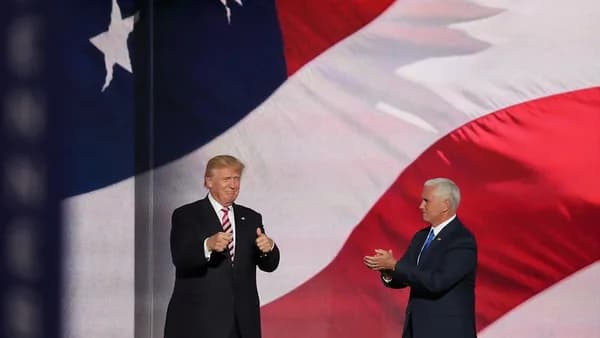
Brent crude didn’t budge after President Donald Trump unveiled Project Freedom, his administration’s latest military initiative aimed at securing oil flows through the Strait of Hormuz. Markets shrugged off the announcement, with Brent crude holding just under $89 a barrel, virtually unchanged from earlier in the week, according to Al Jazeera.
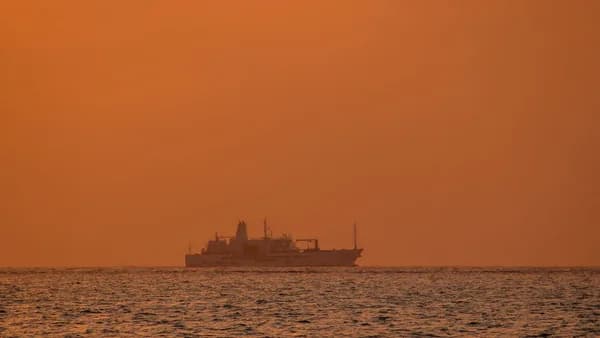
Project Freedom, rolled out late Monday, promises an expanded US naval presence and new surveillance assets in the world’s most critical oil chokepoint. The White House claims the operation will “guarantee safe passage for all energy shipments,” as nearly 21 million barrels—about one-fifth of global consumption—cross the narrow waterway daily.
Traders had braced for volatility after weeks of escalating threats to shipping from Iran-backed militias and drone attacks on tankers. But the market yawned. No meaningful price spike. No selloff. The lack of movement signals deep skepticism that Washington’s show of force will actually reduce risk or that the region’s tensions will ease anytime soon.
The Strait of Hormuz has always been oil’s Achilles’ heel. Any hint of disruption can add $5–10 to the barrel overnight. But so far, neither sabre-rattling nor promises of protection have shifted the calculus for oil’s biggest players.
Why Trump’s Strait of Hormuz Plan Has Not Eased Oil Market Concerns
Project Freedom’s debut did little to soothe nerves in a market that’s seen this movie before. Traders remember Operation Earnest Will in the late 1980s, when US warships escorted tankers during the Iran-Iraq War. That intervention brought only temporary relief—attacks continued, insurance costs spiked, and oil prices remained jumpy for months.
This time, the skepticism runs deeper. The White House hasn’t detailed how many ships will be deployed, what rules of engagement apply, or how long the mission will last. Without specifics, energy desks are treating the plan as more political theater than strategic shift. Brent’s implied volatility index, a measure of expected price swings, stayed flat at 24%, well below the 2024 peak of 38% during last year’s Red Sea disruptions.
Geopolitical risk premiums are sticky, not easily unwound by press releases. Iran’s navy and its proxies have shown they can disrupt traffic without full-scale blockades—think limpet mines in 2019, or the 2023 drone swarms. Traders see Project Freedom as a deterrent, not a guarantee. It may raise the cost of aggression but can’t eliminate asymmetric threats.
Meanwhile, macro forces are dampening oil’s reaction. Global inventories are higher than last spring—OECD stocks rose by 18 million barrels in April—giving refiners more cushion against supply shocks. China’s demand growth has cooled, with the IEA trimming its 2026 forecast by 200,000 barrels per day. US shale output, while no longer surging, remains resilient above 13 million barrels daily, offering a backstop against overseas disruptions.
The market’s muted response also reflects a “wait and see” stance. Until Project Freedom yields concrete results—safe passage, reduced insurance rates, lower shipping delays—traders have little incentive to rerate risk.
What to Watch Next: Potential Market Reactions and Geopolitical Developments
The next moves in the Strait of Hormuz could break the market’s calm—or reinforce its apathy. A major escalation, like an attack on a US naval vessel or the closure of the waterway, would rocket Brent past $100 in hours. Conversely, successful deterrence or diplomatic breakthroughs could shave off the current risk premium.
Allies’ buy-in will matter. If European and Asian navies join Project Freedom, the operation’s credibility and coverage rise. Without it, the burden—and political risk—falls squarely on Washington. Insurance underwriters are watching closely; any drop in premiums would signal genuine confidence in the mission’s effectiveness.
Investors are also eyeing Iran’s response. So far, Tehran has issued only sharp statements, not missiles. But any miscalculation could trigger a tit-for-tat spiral, especially with regional elections looming and oil revenues funding both sides’ political ambitions.
For now, the smart money is on tactical trading, not big directional bets. Volatility sellers are holding their fire, waiting for evidence of real change. Physical traders are diversifying routes—stockpiling in Fujairah, hedging with West African crude, and locking in freight rates.
Expect markets to react not to headlines, but to hard data: actual attack counts, shipping delays in Lloyd’s lists, and insurance rate moves. Project Freedom’s success or failure will be measured not by statements, but by barrels delivered safely to market.
⚠️ Disclaimer: This article is for informational purposes only and does not constitute financial advice. Always do your own research before making investment decisions.
The Bottom Line
- Stable oil prices suggest traders doubt the effectiveness of new US military measures in the Strait of Hormuz.
- Market skepticism points to ongoing concerns about regional security and long-term supply risks.
- The unchanged price highlights how geopolitical actions may not always translate to immediate financial impact.