World Liberty Files Defamation Lawsuit Against Tron Founder Justin Sun
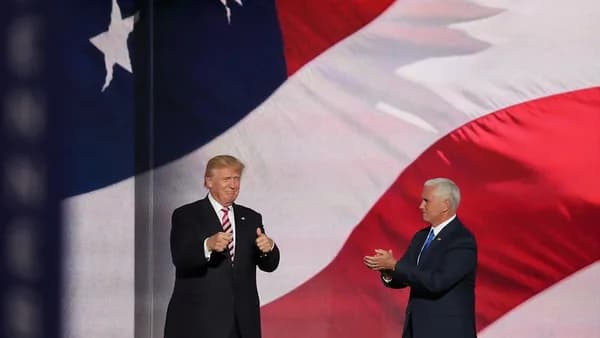
World Liberty, a political advocacy group linked to Donald Trump’s campaign machine, has launched a defamation suit against Justin Sun, founder of Tron. The complaint accuses Sun of orchestrating a campaign of short-selling, straw purchases, and public smears that tanked World Liberty’s fundraising prospects and crippled its planned crypto initiatives, according to CoinDesk.
The filing lands just days after Sun’s own legal team accused World Liberty of fraud and market manipulation, turning this into a high-stakes legal brawl between a top ten crypto founder and a PAC with outsized political heft. World Liberty’s suit, filed in U.S. District Court, alleges Sun deliberately spread “false and malicious statements” about the group’s token sale to investors and media in March 2026, leading to a 38% drop in WLBT token value within 72 hours. The complaint details Telegram leaks and Twitter posts in which Sun allegedly called the group’s financial disclosures “fabricated” and suggested insider trading.
World Liberty’s legal strategy hinges on demonstrating not just reputational damage, but direct financial losses—citing $14 million in lost commitments from key donors and partners. The group’s Trump ties give the case an extra edge, with surrogates in conservative media amplifying claims of “foreign interference” by Sun, who is based in Singapore. Sun, for his part, has denied all allegations and counters that World Liberty is using litigation to distract from its own regulatory problems.
This is not the first time Sun has sparred publicly with U.S.-based entities. In 2023, he settled with the SEC for $6 million over allegations of unregistered securities, but avoided admitting wrongdoing.
Impact of Legal Battle on Tron Ecosystem and Crypto Market Sentiment
The lawsuit has already rattled Tron’s investor base. TRX, Tron’s native token, slumped 7% in the hours following the news, underperforming Bitcoin and Ethereum, which were both flat. Trading volumes on major Asian exchanges spiked, with several whale wallets dumping over $20 million in TRX within the first 24 hours. Market chatter on Discord and X flagged mounting uncertainty about Tron’s leadership, with some project founders privately questioning whether Sun’s legal woes could snowball into renewed regulatory scrutiny for Tron-linked DeFi protocols.
Reputational damage from a high-profile defamation suit carries real risk in crypto, where trust is as much a currency as code. Sun’s prior run-ins with the SEC already put Tron on thin ice with U.S. regulators; fresh claims of short-selling and market manipulation, if substantiated, could trigger new investigations or even exchange delistings. FTX’s collapse in 2022 and Do Kwon’s legal saga in 2023 showed how quickly allegations—true or not—can vaporize billions in market cap and freeze out institutional capital.
For founders, the message is clear: public allegations and legal feuds aren’t just sideshows—they’re existential threats. The crypto sector’s ongoing quest for mainstream legitimacy amplifies the fallout from any whiff of scandal. Investors are watching closely to see if Tron’s developer pipeline stalls or if key partners—especially U.S. exchanges—distance themselves.
Next Steps in the Legal Dispute and What Industry Watchers Should Expect
The U.S. District Court has scheduled a preliminary hearing for June 14, with both sides ordered to present initial evidence on the alleged defamation and financial misconduct. Legal experts say the discovery phase could surface damning internal communications from both camps, raising the stakes for a possible out-of-court settlement. If World Liberty prevails, the case could set a precedent for crypto-related defamation suits, especially around social media conduct—a gray zone where few clear standards exist.
Outcomes range from a quiet settlement (with Sun paying damages or issuing a public apology), to a full trial that could drag high-profile witnesses—including Trump campaign advisors and crypto VC leaders—into court. A ruling against Sun would add legal baggage that could haunt his future projects and invite fresh scrutiny from U.S. authorities. On the flip side, if Sun prevails, World Liberty could face questions about its own fundraising methods and transparency, especially if discovery uncovers irregularities.
For investors and stakeholders, two signals matter most: whether major exchanges or institutional backers start freezing or offboarding TRX, and whether U.S. regulators hint at reopening their file on Sun. Watch for real-time signals: sudden drops in TRX liquidity on U.S. platforms, new subpoenas, or high-profile departures from Tron-linked ventures.
Bottom line: If you hold TRX or have exposure to Tron’s DeFi stack, don’t ignore the headlines. Legal disputes in crypto don’t just play out in court—they hit token prices, developer roadmaps, and even the odds of future regulatory crackdowns. In a market where reputation can swing $1 billion in minutes, this is one fight with consequences far beyond the courtroom.
⚠️ Disclaimer: This article is for informational purposes only and does not constitute financial advice. Always do your own research before making investment decisions.
The Stakes
- The lawsuit highlights escalating tensions between crypto leaders and politically-affiliated groups.
- World Liberty’s reported $14 million in lost commitments shows how public statements can impact fundraising and token value.
- The outcome could set precedents for defamation and market manipulation claims in the crypto industry.