


Introduction: The Political Stakes of Gas Prices Ahead of the Midterms
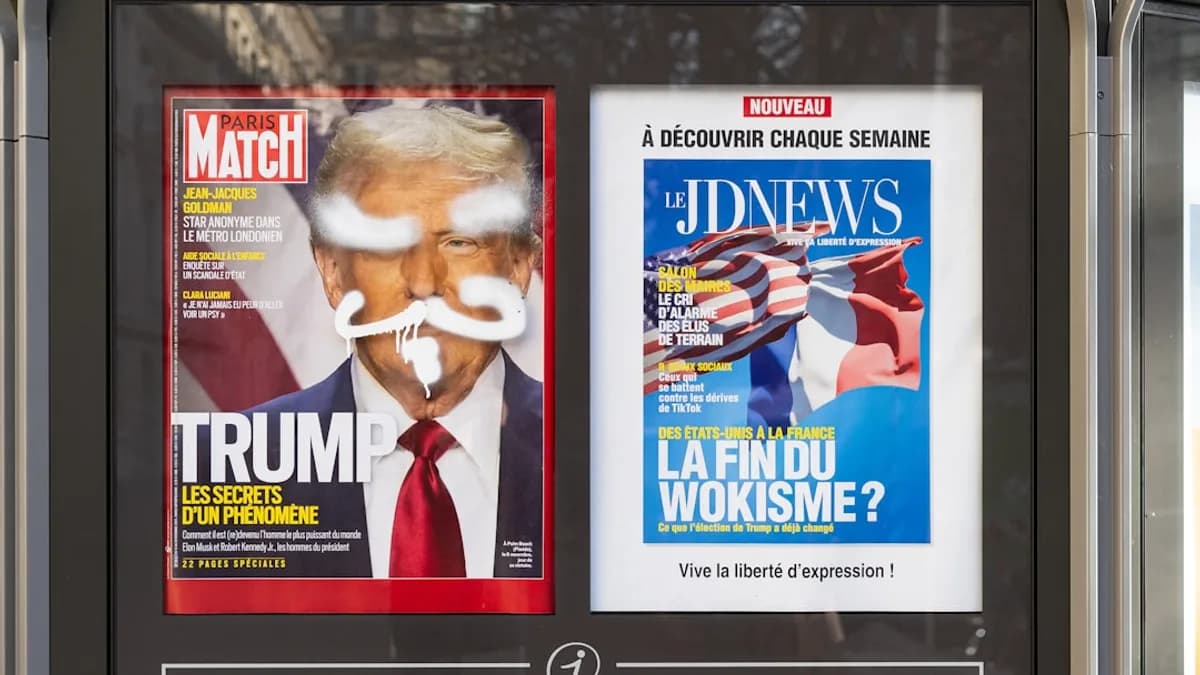
Former President Donald Trump’s recent remarks on the trajectory of gas prices have injected a rare note of uncertainty into the Republican Party’s midterm narrative. Rather than promising imminent relief at the pump, Trump openly acknowledged that gas prices could remain unchanged—or even rise—heading into the November elections [Source: Source]. This admission stands in stark contrast to the usual campaign trail optimism and highlights just how central the issue of gas prices has become in the current political climate.
For the GOP, gas prices are more than just an economic data point; they are a barometer of public dissatisfaction and a potential rallying cry for voters frustrated with inflation and the broader cost of living. Trump’s comments underscore the high stakes for Republican candidates, who now face the challenge of campaigning amid economic headwinds that are largely out of their direct control. As the midterms approach, the GOP must grapple with the political peril of high gas prices—a challenge that could reshape campaign strategies and influence voter sentiment in unpredictable ways.
Trump’s Admission: A Rare Acknowledgment of GOP Vulnerability
Donald Trump is no stranger to employing bravado and bullish optimism when discussing the Republican political outlook. That’s why his recent admission—that gas prices may stay the same or “maybe a little bit higher” by the midterms—lands with such significance [Source: Source]. For a party that has often touted economic issues as a key strength, this is a rare moment of candor and vulnerability.
Traditionally, political leaders downplay or deflect economic risks, especially when their party is seeking to make electoral gains. Trump’s willingness to voice the possibility that gas prices may not drop suggests an acute awareness of the GOP’s current predicament. It’s an implicit acknowledgment that economic pain at the pump could dampen voter enthusiasm, particularly among the working- and middle-class voters who have been central to the Republican coalition. This degree of honesty stands in stark contrast to the customary campaign rhetoric that seeks to minimize or redirect blame for economic woes.
Moreover, Trump’s statement signals that Republican strategists are bracing for the reality that gas prices—and the broader issue of inflation—are not temporary distractions but enduring challenges. In effect, Trump’s admission may be a strategic attempt to manage expectations, preparing the Republican base for a tougher campaign season and subtly shifting some of the accountability away from GOP candidates. It’s a calculated risk, but one that reveals the depth of concern within the party about how economic anxieties could shape the electoral landscape.
Gas Prices as a Litmus Test for Voter Sentiment
Historically, few economic indicators have been as closely linked to voter sentiment as the price of gas. High fuel costs are immediately visible to Americans during their daily routines, serving as a constant reminder of broader economic pressures. In previous election cycles, surges in gas prices have often coincided with dips in incumbent party approval ratings and shifts in the political winds.
For Republican candidates, sustained high gas prices present a double-edged sword. On one hand, they offer a potent critique of the party in power—in this case, the Biden administration. On the other hand, when economic pain persists without a clear path to relief, voters can become cynical about all politicians, not just those in the majority. As Trump himself noted, there is a real risk that gas prices will remain a source of frustration well into the election season [Source: Source].
The impact goes beyond mere dollars and cents. Elevated gas prices are a proxy for deeper anxieties about inflation, wage stagnation, and economic insecurity. When families see their budgets squeezed at the pump, it colors their perception of the overall economic climate. This dynamic tends to hit hardest among swing voters and those in suburban or rural districts where driving is a necessity, not a luxury. If Republicans cannot convincingly promise relief—or at least demonstrate empathy and credible policy alternatives—they risk being seen as out of touch or ineffectual. In a polarized electorate, even small shifts in voter sentiment driven by economic issues can tip the balance in closely contested races.
The Broader Economic and Political Context
Understanding why gas prices remain stubbornly high requires a look at both global and domestic forces. Internationally, energy markets have been roiled by ongoing disruptions—from the war in Ukraine to OPEC production decisions and post-pandemic supply chain woes. Domestically, the Biden administration has taken steps such as releasing oil from the Strategic Petroleum Reserve and encouraging increased domestic production, but these measures have offered only limited and temporary relief [Source: Source].
The result is an economic environment where neither party can offer quick fixes. While Republicans have criticized the Biden administration’s energy policies—pointing to regulation and a perceived lack of support for fossil fuel development—they face the reality that global forces are largely driving the trend. This complicates the GOP’s messaging, making it harder to promise swift change if voters hand them control of Congress.
The administration, for its part, has been forced to walk a tightrope: touting efforts to combat rising prices while acknowledging the limits of presidential power over global energy markets. For Republicans, this creates both an opportunity and a challenge. They can campaign on the theme of economic mismanagement, but they must also contend with voter skepticism that any party can quickly reverse the trend. As Trump’s comments make clear, even the most prominent GOP voices are hedging their bets—preparing for a campaign season defined as much by economic uncertainty as by partisan contrasts.
Implications for GOP Strategy and the Midterm Outlook
Trump’s frank statement about the likelihood of continued high gas prices could become a pivotal factor in shaping GOP strategy. By lowering expectations for immediate economic relief, Republicans may seek to pivot toward long-term solutions, policy proposals, and critiques of Democratic governance. However, this approach carries risks: it may dampen the sense of urgency or hope among the party’s base, potentially suppressing turnout.
On the other hand, this acknowledgment could also open opportunities for Republicans to demonstrate seriousness and credibility. By confronting economic realities head-on, GOP candidates may be able to connect with voters who are tired of empty promises and looking for practical leadership. The key will be balancing honesty about current challenges with a compelling vision for the future. How the party navigates this terrain—embracing candor without succumbing to defeatism—could determine whether it maintains momentum or loses ground in critical midterm contests.
Conclusion: Facing Economic Realities and Political Consequences
Trump’s admission that gas prices may not fall before the midterms is more than a fleeting soundbite—it’s a candid acknowledgment of the political perils facing the GOP in a turbulent economic moment. By openly grappling with this reality, Republicans are forced to move beyond slogans and engage with the complexities of economic policy and public sentiment [Source: Source].
Honest discourse about economic challenges is not only necessary but vital for rebuilding trust with voters who feel the sting of rising costs in their daily lives. Whether this new candor will translate into electoral success for the GOP remains to be seen. What is clear is that, heading into the midterms, Republicans must confront the twin realities of economic anxiety and political accountability—making tough choices about how to lead, not just how to campaign.
⚠️ Disclaimer: This article is for informational purposes only and does not constitute financial advice. Always do your own research before making investment decisions.