Introduction: Overview of Recent Market Movements
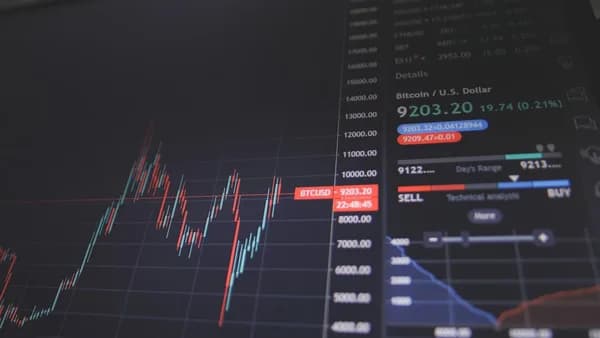
Stock-market futures took a sharp turn downward following the collapse of weekend talks between the United States and Iran, signaling mounting investor anxiety over escalating geopolitical tensions. The failed negotiations have triggered a surge in oil prices, with crude rebounding above $100 per barrel—a threshold not seen in months—reflecting renewed fears of supply disruption [Source: Source]. The ripple effects are evident across global markets, as Asian exchanges opened lower, mirroring the cautious sentiment gripping Europe and the Americas. The broader reaction underscores how sensitive financial markets remain to developments in the Middle East, especially when they threaten the stability of critical energy supplies and heighten the risk of regional conflict.
Background: U.S.-Iran Talks and Their Significance
The latest round of U.S.-Iran talks was part of ongoing diplomatic efforts to address long-standing disputes, most notably Iran’s nuclear program and the heavy sanctions imposed by Washington. Historically, these negotiations have oscillated between periods of cautious optimism and breakdown, with each outcome having significant global repercussions. The immediate issues at stake included Iran’s uranium enrichment activities, its compliance with international nuclear agreements, and the possibility of the U.S. easing economic sanctions that have crippled Iran’s oil exports.
These talks are pivotal not only for regional politics but also for the stability of global energy markets. Iran sits atop some of the world’s largest oil reserves, and any disruption—whether from sanctions or military action—can send shockwaves through the supply chain. The stakes were heightened this weekend as hopes for a breakthrough faded, leaving markets bracing for further volatility. Resuming or stalling these negotiations can tip the balance between relative calm and crisis, influencing everything from energy prices to security calculations for countries dependent on Middle Eastern oil.
Market Impact: How Failed Talks Affect Stock and Oil Prices
The immediate aftermath of the talks’ collapse was a sharp drop in stock-market futures, reflecting investor concerns about rising geopolitical risk and the potential for a prolonged energy shock [Source: Source]. The prospect of disrupted oil supplies, combined with uncertainty over future U.S.-Iran relations, sent equities into retreat. Investors typically react to such geopolitical events by shifting away from riskier assets and seeking safety in bonds or cash, amplifying volatility across stock indexes.
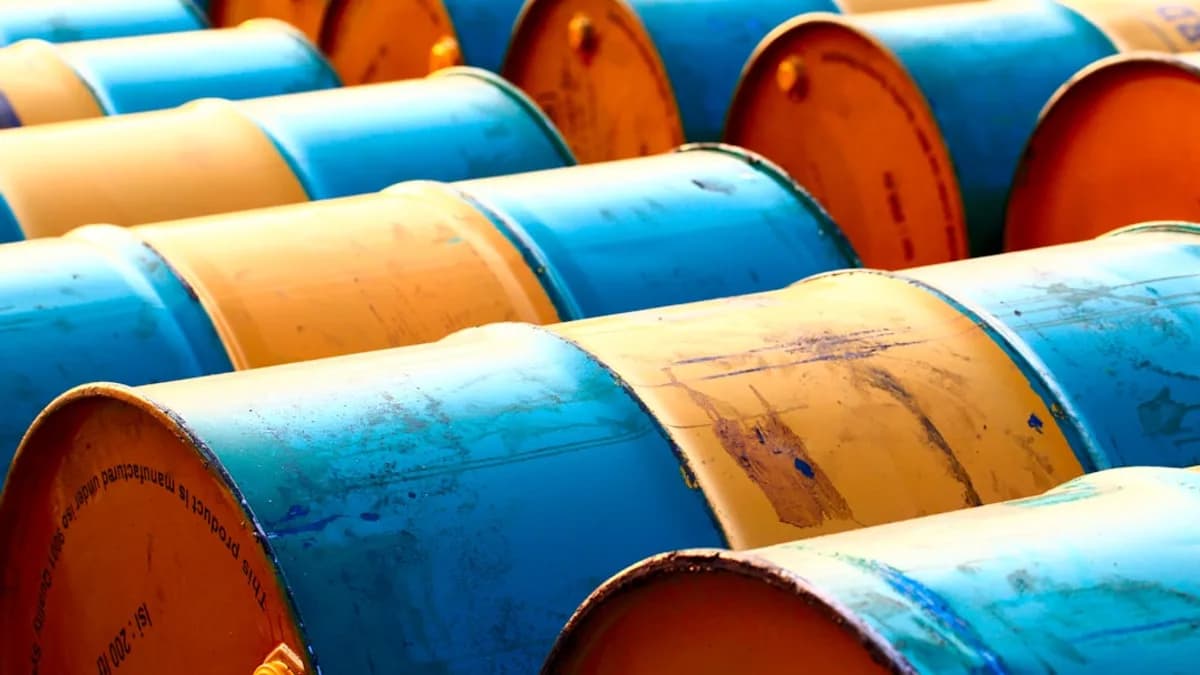
Oil markets, meanwhile, responded dramatically. With crude prices surging back above $100 per barrel, traders signaled their alarm over possible supply disruptions. The price jump is closely tied to fears that escalating tensions could constrict exports from Iran, a key source of global oil. The U.S. Navy’s announcement of plans to blockade Iranian ports intensified these concerns, raising the specter of a direct intervention that could choke off vital shipping lanes and further restrict oil flows [Source: Source].
For companies and consumers, higher oil prices translate into increased costs for transportation, manufacturing, and energy, potentially feeding inflationary pressures already present in many economies. The market’s swift reaction underscores how interconnected geopolitics and energy prices have become, with even the hint of instability capable of triggering outsized moves.
Geopolitical Implications: Energy Security and Regional Stability
The failure of U.S.-Iran talks and the subsequent blockade plans have heightened the risk of a prolonged energy supply shock. The Middle East, and particularly the Strait of Hormuz, remains a chokepoint for global oil shipments, with nearly a fifth of the world’s crude passing through its narrow waters. Any disruption—whether from military action, blockades, or sabotage—can have cascading effects on energy security, impacting not only oil prices but also the broader economy [Source: Source].
Regional stability is now at greater risk, with renewed concerns about ceasefire prospects and the potential for broader conflict. Escalating tensions could draw in other regional players, increase the likelihood of retaliatory actions, and complicate diplomatic efforts aimed at de-escalation. The specter of direct confrontation between the U.S. and Iran, especially in such a strategically important area, raises the stakes for global markets and energy consumers.
For energy-importing nations, the current environment highlights vulnerabilities in supply chains and underscores the importance of diversification. Countries dependent on Middle Eastern oil must now contend with the possibility of price spikes and shortages, prompting reassessments of strategic reserves and alternative sourcing. The broader geopolitical fallout may also affect currencies, trade flows, and investment decisions, as markets price in the risks of instability and conflict.
What Investors Should Watch Next
Looking ahead, investors should monitor several key indicators and events that could shape market direction. Among the most critical are future statements and actions from both U.S. and Iranian officials—any sign of renewed diplomatic engagement or escalation could quickly shift sentiment. The movement of oil prices, particularly in response to developments in the Strait of Hormuz or changes in export volumes, remains a vital gauge of risk.
Upcoming international meetings, such as those involving the United Nations or regional powers, may offer opportunities for de-escalation or, conversely, signal further deterioration. Investors should also keep an eye on macroeconomic data, including inflation readings and energy demand forecasts, as these will influence central bank policies and broader market trends.
In navigating the current volatility, diversification and risk management are essential. Exposure to energy-sensitive sectors, emerging markets, or high-beta equities may carry outsized risks in this environment. Conversely, defensive assets and hedging strategies can help mitigate downside. Staying informed about geopolitical developments and their economic implications will be crucial for making sound investment decisions amid uncertainty.
Conclusion: Navigating Uncertainty in a Volatile Market Environment
The recent drop in stock-market futures and surge in oil prices underscore how quickly geopolitical developments can reshape the financial landscape. The ongoing tensions between the U.S. and Iran, especially in the wake of failed talks and the threat of port blockades, remind investors of the interconnectedness between global politics, energy security, and market stability [Source: Source]. As these events continue to unfold, vigilance and informed decision-making are more important than ever.
Understanding the broader context and potential outcomes is crucial for those seeking to navigate a volatile market environment. The persistence of U.S.-Iran tensions means that financial and energy markets will remain sensitive to news and developments from the region. Investors, policymakers, and businesses alike must prepare for the possibility of further shocks, adapt strategies accordingly, and stay attuned to both risks and opportunities as the situation evolves.
⚠️ Disclaimer: This article is for informational purposes only and does not constitute financial advice. Always do your own research before making investment decisions.