Introduction: Controversy Surrounding the Spirit Airlines Bailout
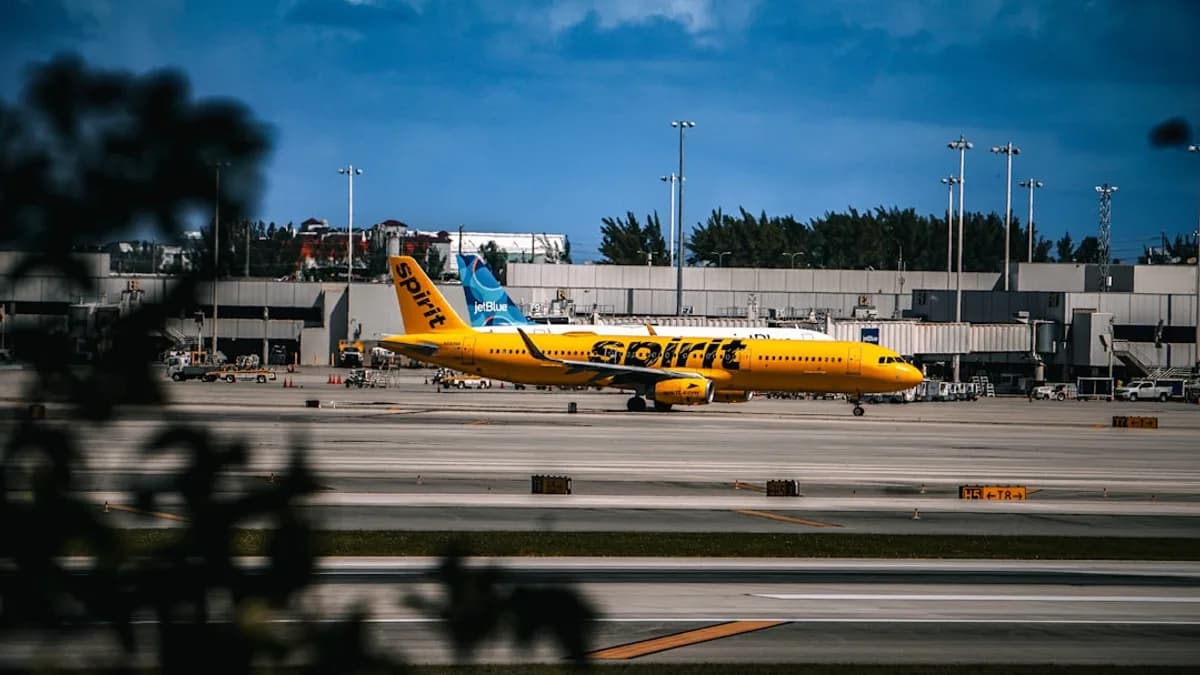
The Trump administration is close to giving Spirit Airlines a $500 million rescue package, and some Republicans are not happy about it. They say this bailout is a bad use of taxpayer money and worry it sets the wrong example. News about the deal has sparked debate, with leaders and experts weighing in on whether saving Spirit Airlines is smart or wasteful. The question is simple but tough: should taxpayer dollars help a struggling airline, or should the money be used somewhere else? Let’s look at what’s behind the bailout, why so many are upset, and what it could mean for the future [Source: Google News].
Background: Spirit Airlines’ Financial Struggles and Bailout Details
Spirit Airlines has hit hard times. The company has been losing money, and its future looked shaky even before the pandemic made things worse. Spirit is known for cheap tickets, but it has faced rising costs, shrinking profits, and tough competition. As travel dropped during COVID-19, Spirit’s cash reserves sank and its debts piled up.
That’s why Spirit asked the government for help. The reported $500 million rescue package comes with strings attached. The deal would give Spirit a big loan, but it would have to pay it back with interest. In return, Spirit would promise to keep jobs and not use the money for stock buybacks or bonuses.
Transportation Secretary Duffy has doubts about the plan. He said saving Spirit “possibly puts good money after bad,” hinting the bailout might not fix the airline's deeper troubles [Source: Google News]. Other officials said Spirit needs to show it can survive and grow, not just patch holes for now. The debate isn’t just about the airline—it’s about how much risk taxpayers should take and whether helping Spirit is fair to other companies.
Republican Opposition: Arguments Against Using Taxpayer Funds
Republican leaders have been loud in their criticism. Their biggest worry is fiscal responsibility. They say using taxpayer money to rescue a private company is risky and could set a bad pattern. If the government saves Spirit today, will other struggling companies line up for help tomorrow?
Some lawmakers argue this bailout could encourage “moral hazard.” That means businesses might start taking bigger risks if they think the government will bail them out when things go wrong. If Spirit gets a lifeline, other airlines or companies could expect the same, making future bailouts more common and costly.
Republicans also worry about public perception. Many Americans are struggling, and some see the bailout as helping Wall Street or big business instead of regular people. Critics say the money should be used for schools, roads, or direct support to families—not to prop up a company that made risky choices.
Political motivations play a role, too. With elections coming up, leaders want to show they’re fighting for taxpayers. Some Republicans point out that Spirit’s problems started before the pandemic, so the bailout isn’t just about COVID-19 relief. They argue the government should focus on industries that are truly vital, not every company that runs into trouble.
Analyzing the Economic and Industry Implications of the Bailout
The bailout could help Spirit keep flying. By getting $500 million, Spirit can pay its bills, keep workers, and avoid bankruptcy. This matters to the airline industry because Spirit’s low fares force other airlines to compete. If Spirit folds, ticket prices could go up and thousands of jobs could vanish.
Supporters say saving Spirit helps the whole economy. Airlines connect cities, move goods, and create jobs. If Spirit goes under, airports lose business, suppliers lose contracts, and travelers have fewer choices.
But there are risks. Some experts say putting public money into a weak company can waste resources. The government might spend millions only to see Spirit fail anyway. This is called “inefficient allocation”—using money where it doesn’t make the biggest impact. If Spirit can’t turn things around, taxpayers lose.
The bailout could also affect competition. If Spirit gets help, other airlines might demand the same. Smaller carriers without government support could fall behind, making the industry less fair and more concentrated. In the past, bailouts helped big companies like General Motors or banks during crises, but also sparked debate about fairness and long-term impact.
This deal is part of a bigger trend. During COVID-19, the government has helped many industries, from airlines to hotels to restaurants. Each bailout comes with tough questions: does it keep jobs, or does it reward bad management? Does it make the economy stronger, or just delay hard choices?
Opinion: Why the Spirit Airlines Bailout May Not Serve Taxpayers’ Best Interests
Saving Spirit Airlines sounds helpful, but it might set a troubling precedent. If the government saves one airline, it could be asked to rescue others. This could create a cycle where businesses expect bailouts instead of fixing their own problems. Taxpayers could end up footing the bill again and again.
There are smarter ways to help. Instead of handing out big loans, the government could offer support tied to real reform. For example, it could require airlines to improve customer service, lower fees, or invest in safety. Or, it could support workers directly, paying for retraining and new jobs if companies downsize.
Transparency is key. Taxpayers deserve to know how their money is spent. Every bailout should come with clear rules, tough oversight, and honest reporting. If Spirit gets help, it should show progress, not just survival. The government must check that the money goes to jobs, not just bonuses or risky projects.
The airline industry needs resilience. Instead of relying on bailouts, companies should build strong reserves, plan for tough times, and share risk with investors—not with taxpayers. This way, airlines are ready for future shocks, and public money is used wisely.
Bailouts should be rare and targeted. They should help when the whole economy or a vital industry is at risk, not just when one company stumbles. Otherwise, the government risks rewarding failure and losing public trust. The Spirit Airlines deal feels like a patch, not a cure. Taxpayers need solutions that last.
Conclusion: Balancing Economic Support and Fiscal Responsibility in Bailouts
The Spirit Airlines bailout has sparked big questions about how to use taxpayer money. Republicans say the rescue is risky and wasteful, while some leaders think it could help jobs and the economy. The truth is, bailouts are complicated. They fix urgent problems but can cause new ones if not managed carefully.
The government must weigh each decision. That means looking beyond quick fixes and thinking about long-term impact. Public money should go where it helps most, with clear rules and strong oversight. As more companies ask for help, leaders must guard against “good money after bad” and protect public trust.
Going forward, bailouts should be smart, rare, and tied to real reform. Only then will they support industries without risking taxpayer dollars or fairness. The Spirit Airlines debate is a reminder: economic support must always balance with fiscal responsibility.
⚠️ Disclaimer: This article is for informational purposes only and does not constitute financial advice. Always do your own research before making investment decisions.
Why It Matters
- The bailout could impact taxpayer funds and government spending priorities.
- It sets a precedent for how struggling companies are supported during crises.
- The outcome may affect job security for Spirit Airlines employees and the broader airline industry.