Powell’s Warning: High Oil Prices Are Like a Slow Leak in the U.S. Economy
When oil stays expensive for long stretches, it acts like a hidden tax on every American. That’s the blunt warning from Federal Reserve Chair Jerome Powell, who recently connected rising oil costs to bigger risks for the U.S. economy, according to CryptoBriefing. It’s not just about paying more at the pump. Persistent high oil prices seep into almost everything we buy and every service we use.
Here’s how it works: When oil prices stay up, the cost to move goods goes up. Plane tickets, food, and anything shipped by truck all get pricier. Businesses have to pay more to keep the lights on and the machines running. Most pass those costs to us. This pushes inflation higher, which means our dollars don’t stretch as far. That extra squeeze leaves families with less to spend on things they want, and businesses with slimmer profits.
Powell didn’t mince words. He said that if oil prices remain high because of world trouble, it makes the Fed’s job much harder. Inflation could stick around longer, and the chance of a rate cut drops. In other words, high oil prices could slam the brakes on any hope for cheaper loans or easier credit. History backs him up: after oil shocks in the 1970s and 2008, everyday costs soared, and economic growth slowed. Right now, Americans are still feeling the burn from recent inflation, and another jump in energy costs could push the Fed to keep interest rates “higher for longer.” That’s bad news for anyone hoping to buy a home, expand a business, or pay off debt.
The Strait of Hormuz: One Narrow Path, Big Global Impact
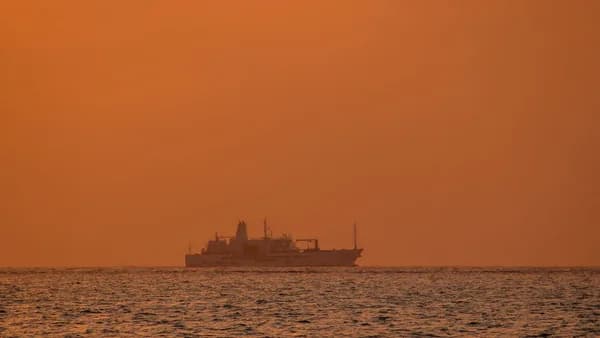
Why are oil prices so jumpy lately? One word: Hormuz. The Strait of Hormuz is a tiny waterway near Iran and Oman, but it’s a giant deal for the world’s oil supply. About 20% of all oil traded globally sails through this narrow passage every day. That’s millions of barrels—enough to fuel the entire U.S. for weeks.
Whenever tensions flare in this area, oil markets panic. Recent threats and military activity in the region have spooked traders, making prices shoot up. Even the hint of trouble—like ships being attacked or political threats—can spark price jumps, as companies worry about supply getting cut off. This is not just about the Middle East. When oil prices rise because of Hormuz, the impact hits the U.S. directly. We import about 6 million barrels of oil a day from all over the world, so supply shocks anywhere ripple quickly to our gas stations and grocery stores.
Geopolitical risk is no small thing. It makes it nearly impossible for U.S. businesses and government planners to predict costs or set smart policy. Just look back at 2019, when attacks on oil tankers near Hormuz sent prices up 5% overnight. Fast swings like this stress out markets, and that uncertainty chills investment and hiring at home.
High Oil Prices Handcuff the Federal Reserve
The Fed’s main job is to keep prices steady and help the economy grow. But high oil prices put it in a bind. When energy costs climb, they drag up inflation. If inflation stays high, the Fed can’t cut interest rates without risking even faster price hikes.
Powell spelled it out: As long as oil prices stay high, don’t expect rate cuts any time soon. That means loans for homes, cars, and businesses will keep costing more. The Fed wants to help the economy grow, but not at the price of runaway inflation. It’s like walking a tightrope with no net.
The last time oil prices spiked for months—in 2011, after the Arab Spring—U.S. inflation jumped over 3% and the Fed had to hold off on easing policy. Right now, we’re in a similar spot. Inflation is still above the Fed’s 2% target, and sticky energy prices make it even harder to bring costs down. This limits the Fed’s options and could even force it to hike rates again if things get worse. That’s a nightmare for anyone with credit card debt or a variable mortgage.
The Counterpoint: Do High Oil Prices Help U.S. Energy Workers?
Some people argue that pricey oil is actually good for America. After all, the U.S. is now one of the world’s top oil producers. When prices are high, oil companies in Texas, North Dakota, and elsewhere make more money. They hire more workers and invest in new wells and equipment.
That’s true—higher oil prices can give a shot in the arm to states that drill a lot of oil. But here’s the problem: The benefits are narrow. Most Americans don’t work in the oil patch. For every job created in energy, higher costs hit millions of families and small businesses across the country. It’s like giving one person a bonus while everyone else pays more for groceries and gas. Studies show that, on balance, the pain of inflation from expensive oil outweighs the extra jobs and profits in the energy sector.
What the U.S. Must Do Now: Make Energy and Economy More Resilient
The real lesson here is that America can’t keep leaving our economy exposed to wild oil price swings. We need to act—fast and smart.
First, we should push for more energy choices. That means not just drilling more at home, but also speeding up wind, solar, and battery projects. The more we can rely on energy made here (or from sources that aren’t tied to Hormuz), the safer our wallets and our economy will be.
Second, the government and the Fed must stay nimble. Fiscal policy—like targeted tax relief or support for lower-income families—can help cushion the blow of higher prices. The Fed, for its part, has to keep a close eye on inflation but also be ready to act if the economy slows too much. It’s a tough balancing act, but it’s better than letting inflation spiral or choking off growth.
Finally, we need strong diplomacy. The U.S. and its allies should work harder to calm things in the Strait of Hormuz. Safe shipping lanes mean steadier oil prices, and that helps everyone—from truckers in Ohio to farmers in Iowa.
The bottom line: High oil prices aren’t just a headline—they’re a threat to every American’s wallet and dreams. If we want to keep our economy strong and inflation under control, we have to get serious about energy security and smart policy. It’s time for leadership, not just warnings. The next oil shock doesn’t have to drain our future—if we plan ahead now.
⚠️ Disclaimer: This article is for informational purposes only and does not constitute financial advice. Always do your own research before making investment decisions.
Why It Matters
- High oil prices increase costs for consumers and businesses, worsening inflation and reducing purchasing power.
- Tensions in the Strait of Hormuz threaten global oil supply, making prices more volatile and impacting economic stability.
- Persistent high oil prices could force the Federal Reserve to keep interest rates elevated, affecting loans, mortgages, and business growth.