Introduction: Understanding Powell’s Recent Fed Commentary and Its Market Impact
Federal Reserve Chair Jerome Powell just made it clear: the Fed is not ready to cut interest rates soon. He signaled that the central bank will be patient, keeping rates high through at least 2026. This news is big for investors, who had hoped for quick relief from high borrowing costs. Powell’s words sent shockwaves through markets. Stocks wobbled, bond yields moved, and traders rushed to rethink their bets. The new message? The Fed cares more about keeping the economy steady than making fast moves. People on Wall Street know they need to adjust. When the Fed hints at a slower path, it usually means a longer wait for cheaper loans, different stock winners and losers, and more careful planning for everyone [Source: CryptoBriefing].
The Federal Reserve’s Current Monetary Policy Landscape
The Fed has kept interest rates at their highest level in more than twenty years. Back in 2022, the Fed started hiking rates quickly to fight the worst inflation in decades. They moved the benchmark rate from near zero to a range of 5.25% to 5.5%. Their goal was to cool down prices without crashing the economy.
Now, inflation is lower than before, but still above the Fed’s 2% target. The latest numbers show inflation stuck between 3% and 4%. Unemployment remains low, with jobless rates under 4%. But wage growth and strong hiring make the Fed nervous that inflation could bounce back if they cut rates too soon.
That’s why Powell and his team are playing it safe. They want to see much clearer signs that prices are no longer rising too fast. The Fed also sees risks from things like high housing costs, sticky core inflation, and solid consumer spending. All these signs point to a “higher for longer” policy—keeping rates up until inflation is truly tamed.
In the past, the Fed was quicker to cut rates after inflation dropped. For example, in the 2000s, the Fed slashed rates soon after downturns. This time, the central bank wants to avoid reigniting inflation by acting too fast. Powell’s message: stay patient, and don’t expect a quick return to cheap money.
Why Powell’s Cautious Stance Signals Prolonged Economic Stability Focus
Powell’s steady approach is not just about fighting inflation—it’s about keeping the whole economy on solid ground. By holding off on rate cuts, the Fed is trying to avoid two big problems. First, if they cut rates too quickly, inflation could surge again. That would force the Fed to raise rates even higher later, which could shock the economy. Second, if they keep rates high for too long, there’s a risk of slowing down growth or tipping the economy into a recession.
Powell wants to thread the needle: keep prices under control while still allowing the economy to grow. He has said that the Fed will not move until they are “confident” inflation is heading back towards 2% for good [Source: CryptoBriefing]. This patient attitude is meant to keep expectations steady. If people believe the Fed will do what it takes to fight inflation, they may be less likely to push up prices or demand higher wages.
The Fed is also watching out for risks from overseas. Wars, supply chain problems, and swings in energy prices can all make inflation unpredictable. Powell’s careful stance sends a message to markets: the Fed will not be rushed by short-term good news. They want lasting progress before making any big moves. This approach is meant to help businesses and families plan better, knowing that the Fed will act slowly and with a clear plan.
Implications of Delayed Rate Cuts on Financial Markets and Investment Strategies
Longer and higher rates change the math for investors. First, bond yields have remained strong as a result. When the Fed holds rates steady, yields on government and corporate bonds stay high. This means savers and big investors can get better returns from safe bonds than they have in years. But it also makes borrowing costlier for companies, cities, and homeowners. For example, mortgage rates have stayed above 6%, making it harder for many people to buy homes.
Stock markets also feel the pinch. High rates usually mean lower stock prices, especially for companies that rely on cheap borrowing or promise big growth in the future. Tech stocks, for example, tend to drop when rates are high because their future profits seem less valuable compared to strong bond yields. In contrast, banks and insurance companies may do better, since they earn more from lending at higher rates.
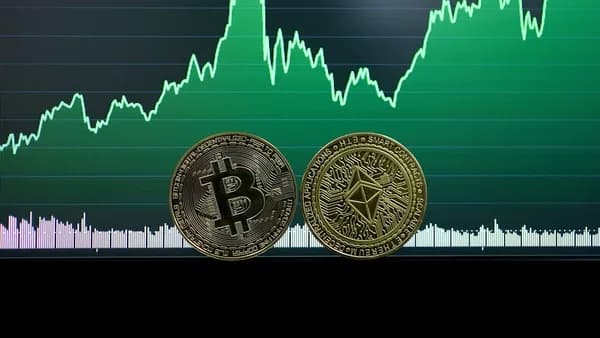
Crypto markets are another story. Bitcoin and other digital assets often act like “risk-on” investments—they do well when money is cheap and investors feel bold. Powell’s cautious message puts a damper on that mood. Crypto prices can swing wildly when rate cut hopes rise or fall, as traders look for clues about future money flows.
Investors are now shifting their strategies. Many are moving some money out of risky stocks and into safer assets like Treasury bonds or money market funds. These options now pay attractive interest with less risk. Others are looking at sectors that do well in a “higher for longer” world, like energy, healthcare, and consumer staples—companies that can keep profits steady even when rates stay up.
On the flip side, real estate, tech, and other interest-sensitive sectors may struggle. Startups and fast-growing firms will find it harder to raise money with expensive loans. High borrowing costs could also slow down mergers, home building, and big projects. Savvy investors are now more focused on companies with strong cash flows, low debt, and stable earnings. Rather than chasing risky bets, many are playing defense.
Broader Economic and Global Context Influencing Fed Policy Decisions
The Fed’s careful approach does not happen in a vacuum. Global risks play a big role. Geopolitical tensions, like wars in Ukraine and the Middle East, create uncertainty in energy prices and global trade. Supply chain problems, from shipping delays to factory slowdowns in China, can push up costs and make inflation harder to predict.
Other central banks are facing similar choices. The European Central Bank and Bank of England have also kept rates high, fearing inflation could return if they cut too soon. Some countries, like Japan, are just starting to move away from ultra-low rates after years of deflation. This mix of policies makes the global picture complex.
The Fed must also watch the dollar’s strength. When U.S. rates stay high and other countries’ rates stay low, the dollar tends to rise. This can make American exports more expensive and hurt U.S. manufacturers, but it can help fight inflation by lowering import costs.
All of these factors push the Fed to stay cautious. They do not want to act alone and risk big swings in currencies, trade, or capital flows. By moving carefully, the Fed hopes to avoid causing trouble for both the U.S. and the world economy.
Conclusion: Navigating the Future with a Cautious Fed – What Investors Should Expect
Powell’s latest message is simple but powerful: don’t count on rate cuts soon. The Fed is focused on long-term stability, not quick wins. This means investors, companies, and families need to plan for a world where borrowing stays expensive for a while. Safe assets like bonds look more attractive, while risky bets may take a back seat.
It’s a time for patience and discipline. Watching the Fed’s words—and the data on inflation and jobs—will be more important than ever. Investors who stay flexible and focus on quality should be best placed to handle what comes next. No one can predict the future, but right now, the smart move is to listen closely and avoid making moves based on hope alone [Source: CryptoBriefing].
⚠️ Disclaimer: This article is for informational purposes only and does not constitute financial advice. Always do your own research before making investment decisions.
Why It Matters
- The Fed's cautious stance means high borrowing costs will persist, impacting mortgages, loans, and business investments.
- Investors and markets must adjust their expectations for rate cuts, affecting stock and bond market strategies.
- Continued high rates reflect the Fed's focus on taming inflation, influencing consumer spending and economic growth.