

Introduction: Rising Tensions and Market Reactions
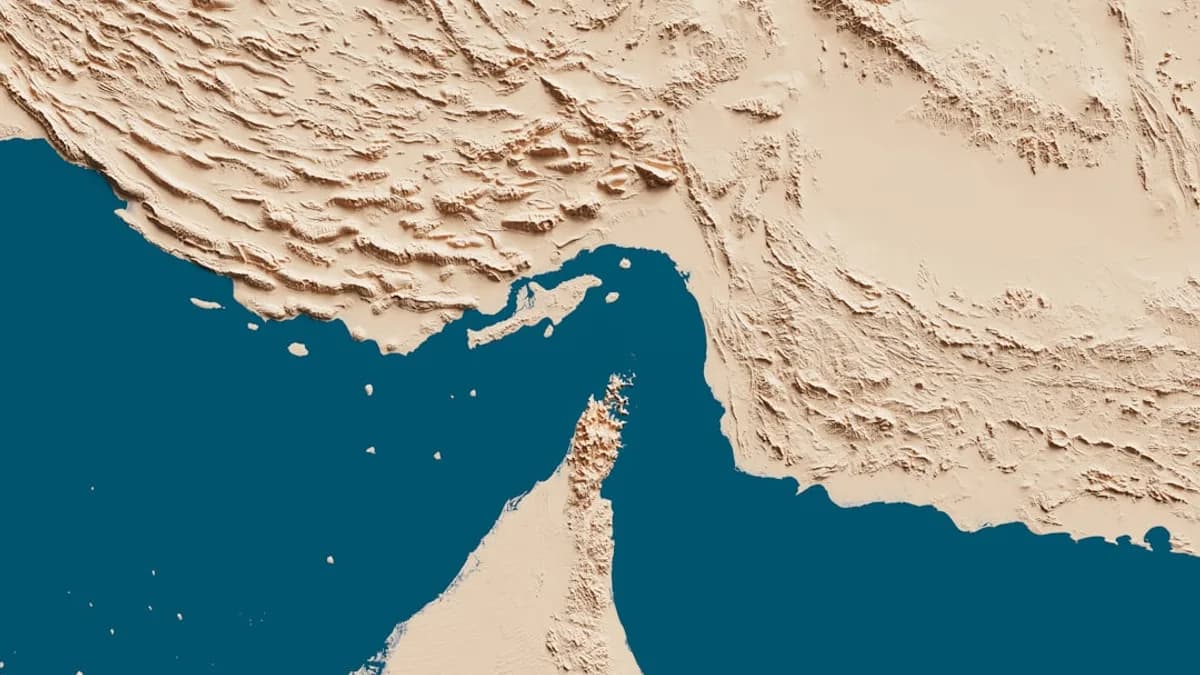
The global oil market was thrown into turmoil this week after the United States announced plans to blockade Iranian ports in the wake of failed peace negotiations. The immediate fallout was dramatic: crude oil prices surged past the $100 per barrel mark, reaching heights not seen since previous periods of intense geopolitical friction. The Strait of Hormuz, a narrow but critical chokepoint through which a third of the world’s seaborne oil supply passes, has once again become the epicenter of energy market anxiety [Source: Source]. The US move, combined with the collapse of diplomatic talks, has injected a new level of uncertainty into an already volatile region, sending shockwaves through global markets and raising urgent questions about the path forward.
Geopolitical Implications of the US Blockade
The US decision to blockade Iranian ports represents a sharp escalation in an already fraught relationship. For decades, US-Iran relations have oscillated between cautious engagement and open hostility, with the energy sector often bearing the brunt of diplomatic breakdowns. By moving to restrict Iran’s maritime commerce, the US signals both a willingness to exert maximum pressure and a readiness to risk wider conflict in the region.
Historically, the Strait of Hormuz has been the site of brinkmanship between Iran and Western powers. During past confrontations—such as the “Tanker War” of the 1980s and the more recent tensions following the US withdrawal from the Iran nuclear deal—threats to close or disrupt the Strait have reliably rattled energy markets [Source: Source]. The current blockade raises the specter of military confrontation, whether through direct clashes or by proxy, in a region already beset by instability.
The risks are substantial. Any military incident in the Strait could endanger not just shipping lanes but global economic stability. Even the perception of risk is enough to drive up insurance costs for shipments, reroute global supply chains, and prompt strategic stockpiling by major economies. The possibility of escalation—intentional or accidental—has far-reaching consequences, increasing the likelihood of miscalculation and drawing in other regional and global powers with interests at stake.
Impact on Global Oil Markets and Energy Security
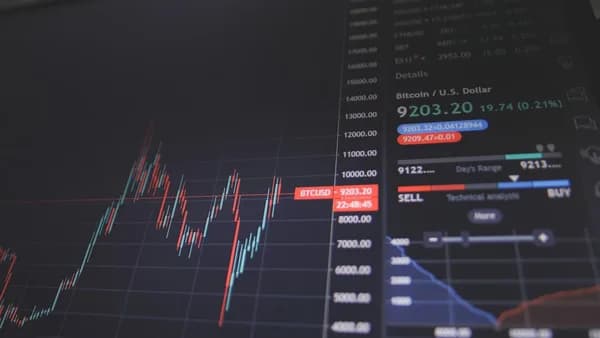
The immediate market reaction to the US blockade announcement was swift and severe: oil prices spiked above $100 per barrel as traders factored in the possibility of disrupted supply from one of the world’s key energy corridors [Source: Source]. This surge reflects not only the physical risk to oil flows but also the psychological impact of heightened geopolitical tension.
In the short term, the blockade injects significant volatility into global oil markets. Countries that rely heavily on Middle Eastern oil—such as India, China, Japan, and much of Europe—face the prospect of higher import costs, which can quickly translate into increased costs for businesses and consumers. Industries dependent on stable energy prices, from manufacturing to transportation, must now brace for uncertainty that could undermine growth and profitability.
Longer term, the standoff could prompt a reevaluation of global energy strategies. Importers may seek to diversify suppliers or accelerate investments in alternative energy sources to reduce exposure to Middle Eastern risks. However, such transitions take time. In the interim, the specter of supply disruption hangs over the market, threatening to slow economic recoveries and stoke inflation worldwide.
For ordinary consumers, the impact is likely to be felt at the pump and in household budgets. Rising energy prices can ripple through the economy, driving up the cost of goods and services and putting pressure on central banks to respond. The cumulative effect is a reminder of how deeply interconnected global energy security remains with geopolitical stability.
Critique of US Policy and Alternatives
While the US blockade may be intended as a demonstration of resolve, it is a blunt instrument fraught with risk. Blockades are, by their nature, coercive and escalatory. History offers few examples where such tactics have yielded lasting diplomatic solutions without unintended consequences. More often, they provoke retaliation, entrench adversarial positions, and endanger neutral parties caught in the crossfire.
From a strategic perspective, the US move raises questions about proportionality and long-term effectiveness. While it may temporarily constrain Iran’s economic activities, it also risks alienating allies, undermining the credibility of the US as a responsible steward of international norms, and destabilizing global markets. The threat of military escalation in such a strategically sensitive area could, paradoxically, undermine the very security objectives the US seeks to advance.
Alternative approaches, rooted in sustained diplomacy and multilateral engagement, might have offered a less perilous path. While negotiations with Iran have historically been challenging, abandoning dialogue altogether forecloses the opportunity for incremental progress and confidence-building. Coordinated efforts with international partners, robust verification mechanisms, and economic incentives could have been leveraged to address mutual concerns without resorting to brinkmanship.
Prolonged conflict in the Strait of Hormuz also has serious implications for US foreign policy credibility. Allies and adversaries alike will be watching closely to see whether the US is prepared to manage the consequences of its actions and whether it can maintain the support of the international community. The risk is that escalation becomes an end in itself, narrowing options for de-escalation and making future diplomatic breakthroughs even harder to achieve.
Conclusion: Navigating a Volatile Future
The unfolding crisis in the Strait of Hormuz underscores the precarious balance between geopolitics and global energy security. As oil prices soar and markets convulse, the world is reminded that seemingly distant diplomatic failures can have immediate and widespread consequences. Navigating this volatile future will require restraint, clear-eyed assessment of risks, and—above all—a renewed commitment to diplomacy over confrontation.
The lessons of the current standoff are clear: international conflicts that impact critical resources demand careful management and multilateral cooperation. Only by prioritizing dialogue and seeking common ground can the world hope to stabilize markets, avoid unnecessary escalation, and build a more resilient foundation for global prosperity.
⚠️ Disclaimer: This article is for informational purposes only and does not constitute financial advice. Always do your own research before making investment decisions.